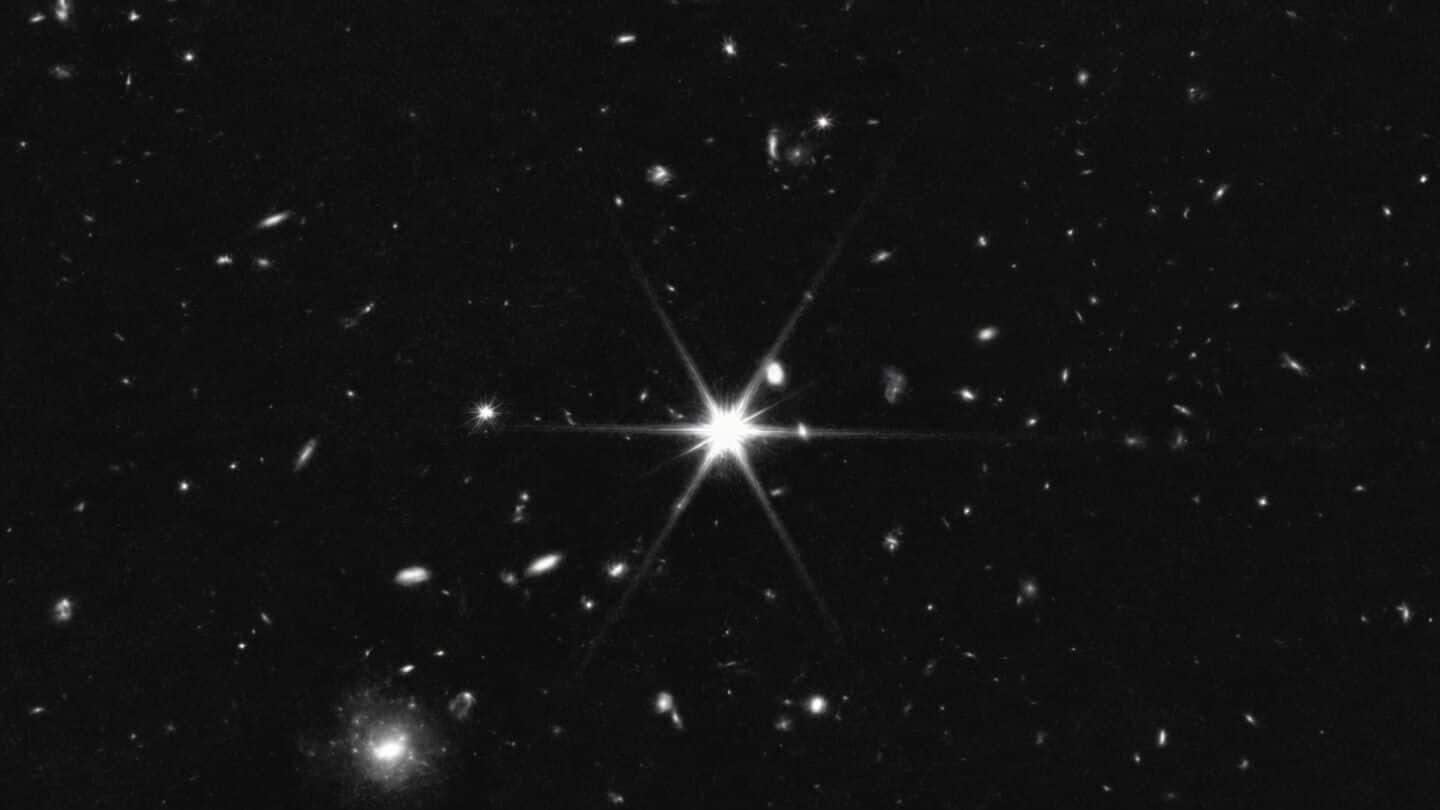
NASA's Chandra detects ancient quasar's hot gas in early universe
Technology
NASA's Chandra X-ray Observatory just picked up signals from one of the universe's oldest quasars, a supermassive black hole surrounded by a huge cloud of hot gas, dating back to when the universe was only 2.1 billion years old.
This rare find gives scientists a peek at how the hot atmospheres around galaxy clusters (the intracluster medium) first formed.
MQN01 emits calm thermal X-rays
Instead of wild plasma jets like other, radio-loud quasars, this one (called MQN01) gives off calm, thermal X-rays, basically heat from gas being pulled in by gravity.
Researchers spent 180 hours observing it and say these signals help us understand how galactic atmospheres came together in the early universe.