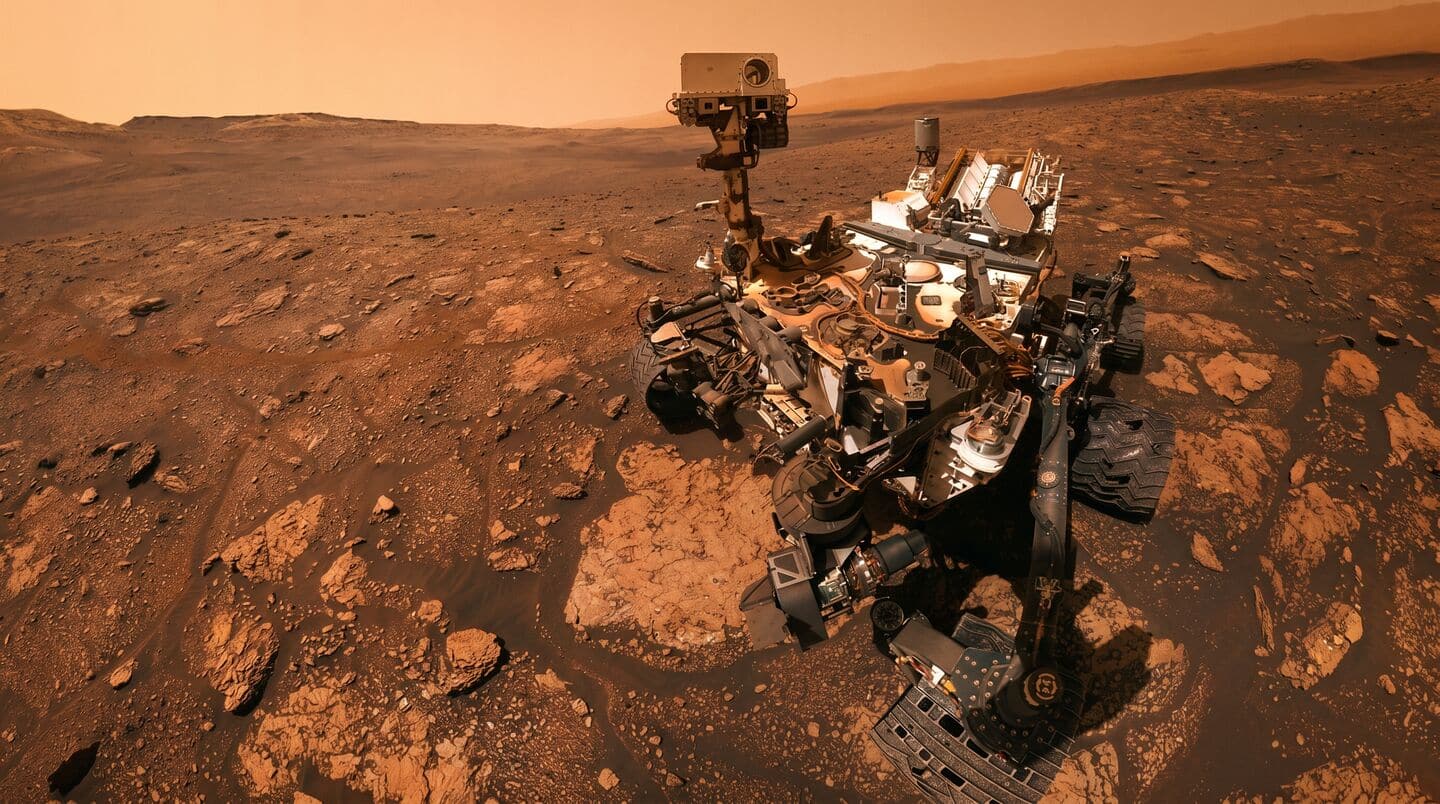
NASA's Curiosity finds 21 ancient organic molecules in Gale Crater
NASA's Curiosity rover has uncovered new organic molecules in rocks from Mars's Gale Crater, hinting the planet may once have been able to support life.
These 21 newly discovered compounds, detailed in a recent Nature Communications study, survived Mars's harsh radiation for billions of years, pretty impressive for anything on the red planet.
Curiosity's SAM instrument confirms organics
A rock sample called Mary Anning 3 turned out to be a goldmine, revealing 21 different carbon-based molecules that are important for early life chemistry.
Scientists used Curiosity's onboard lab (the SAM instrument) to confirm these findings, even double-checking their results with a meteorite from space.
All this adds up to more evidence that ancient Mars might have had water, maybe even the right conditions for life.