NASA's Roman telescope launches August 30 to study black holes
NASA's new Nancy Grace Roman Space Telescope launches August 30, 2026, and it's on a mission to uncover how supermassive black holes grew so fast billions of years ago.
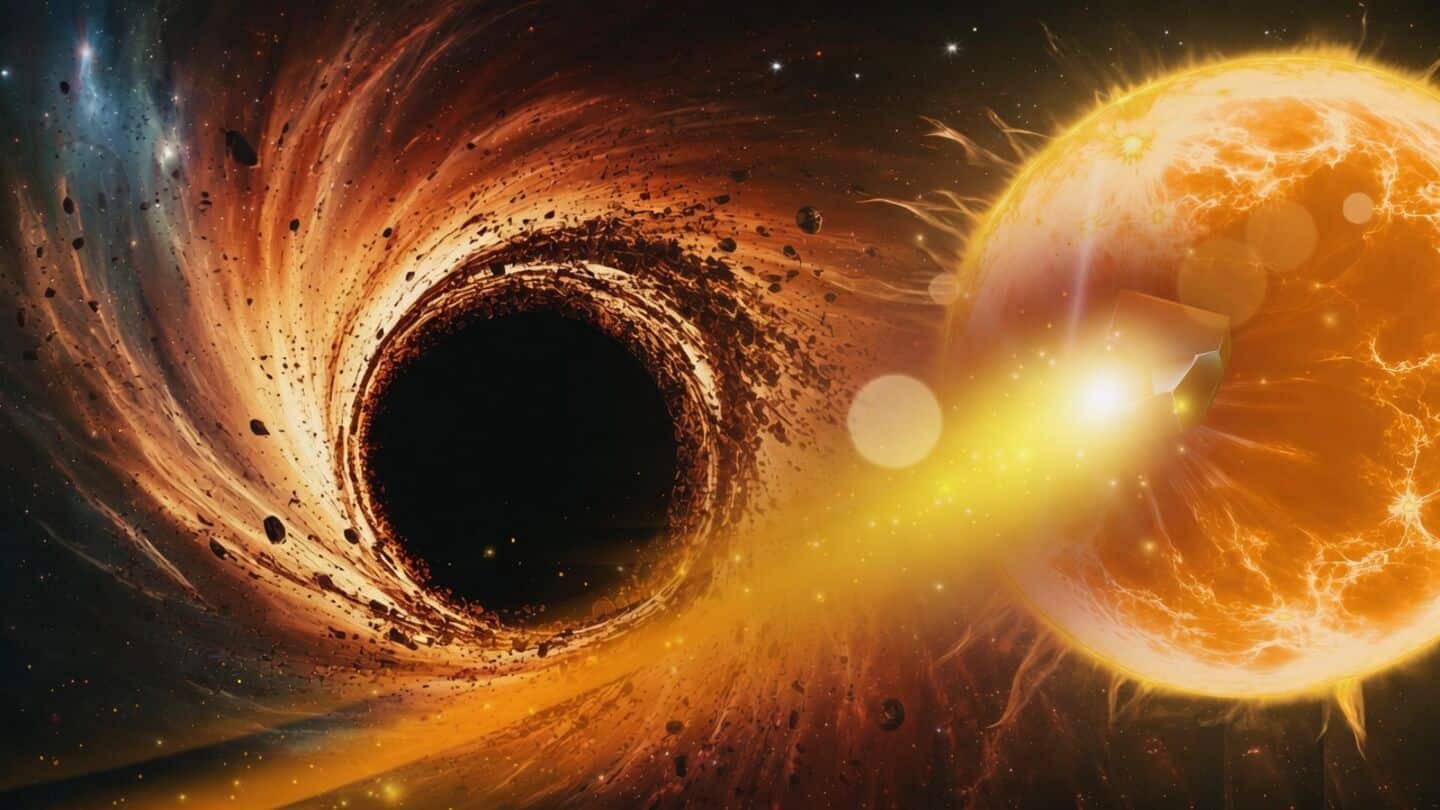
The Rubin Observatory is expected to spot thousands of tidal disruption events each year, and Roman will study them at even greater distances, giving scientists a front-row seat to some of the universe's wildest action.
Roman probes black hole seeds
Roman will help answer one of astronomy's big questions: did giant black holes form from collapsing stars (light seeds), or massive clouds of gas (heavy seeds)?
By tracking these star-shredding events and measuring black hole sizes over time, researchers hope to finally settle the debate.
Plus, as research team leader Mitchell Karmen puts it, "The Roman Space Telescope is going to be transformative for transient science... Thanks to Roman's high sensitivity, we can find multiple tidal disruption events out to greater distances and earlier cosmic times than ever before."