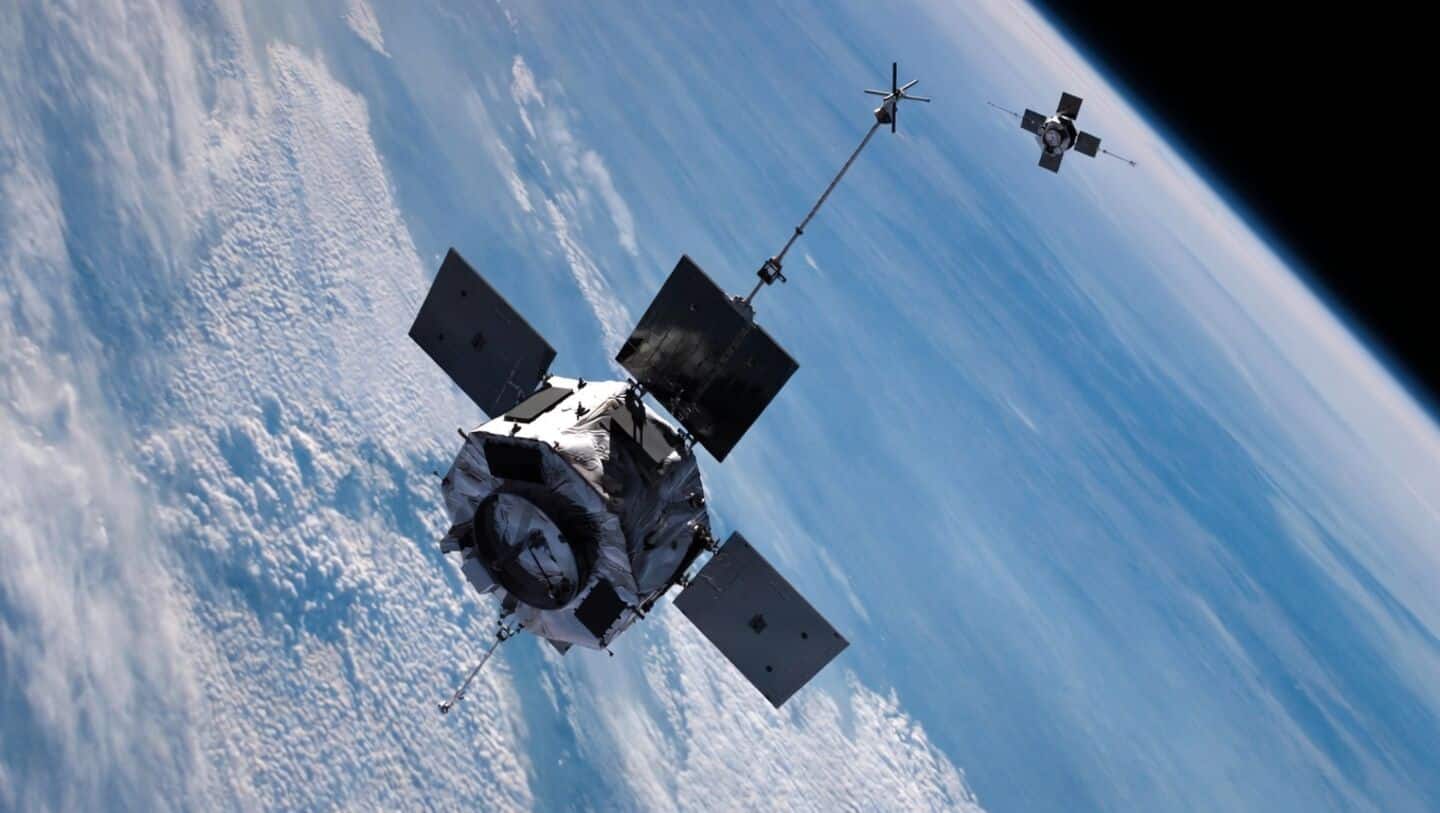
NASA's Van Allen Probe A to crash into Earth tomorrow
NASA's Van Allen Probe A, launched in 2012 to study Earth's radiation belts, is expected to re-enter our atmosphere on March 10, 2026.
Originally built for just two years in space, the probe lasted much longer before running out of fuel and shutting down in 2019.
Probe A's orbit decayed faster than planned
Designed by Johns Hopkins APL to handle intense radiation, Probe A orbited between 600km and over 30,000km above Earth.
After its shutdown, increased solar activity caused its orbit to decay faster than planned.
Its twin, Probe B, ended its mission in July 2019 but won't re-enter until at least 2030.
What are the chances of debris hitting someone?
The US Space Force predicts the probe will re-enter around March 10 (+-24 hours).
NASA expects most of the spacecraft will burn up during re-entry.
There's a small estimated risk of harm to a person on the ground — about one in 4,200 — which reflects the chance of injury rather than the probability that debris will land on land; most surviving pieces are likely to fall into the ocean.
The probe taught us a lot about radiation belts
Van Allen Probe A gave scientists loads of data about how radiation belts work and how they affect satellites and astronauts.
Its long life shows just how tough space tech can be when built right.