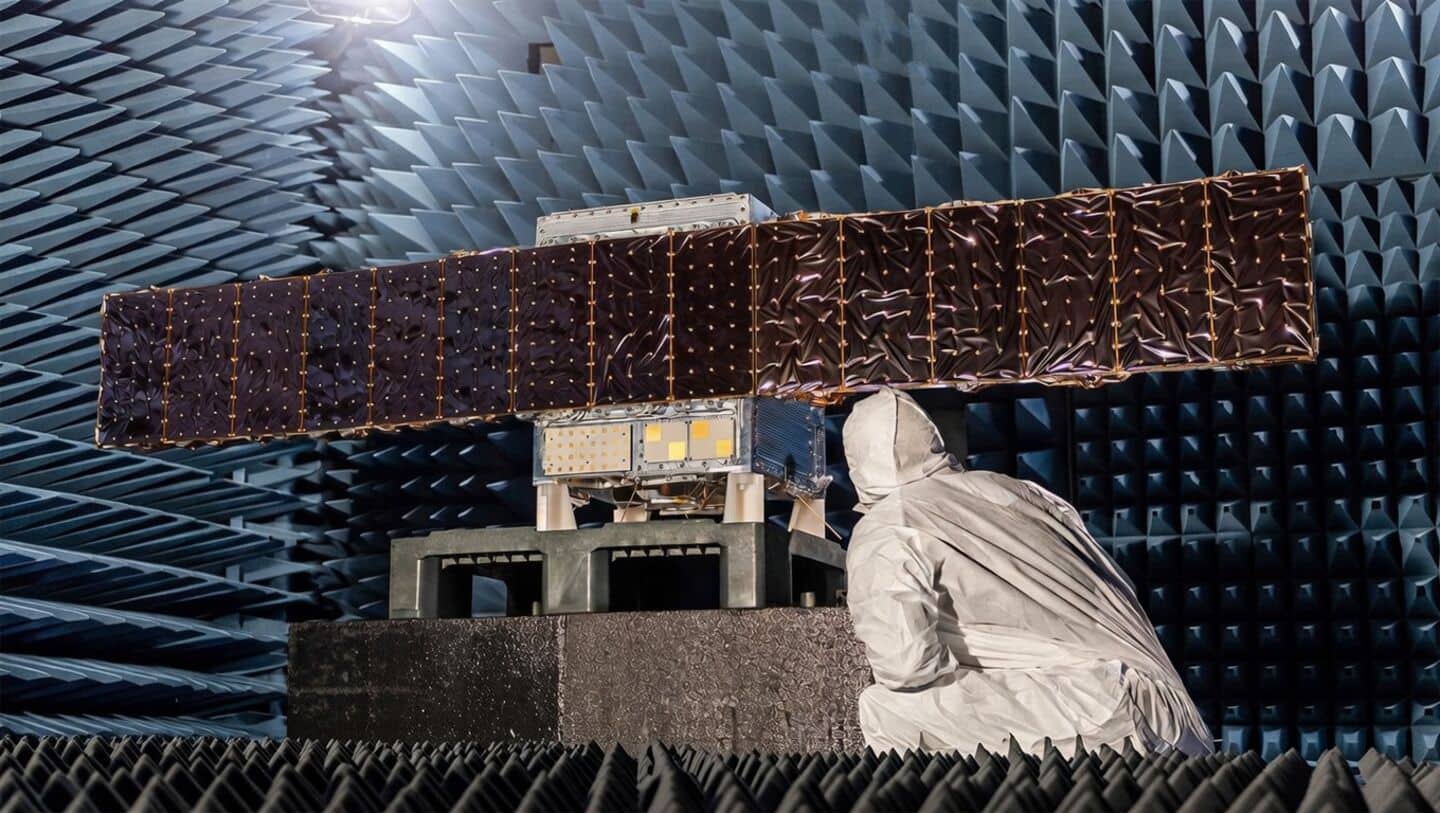
Nickolas Solomey's SNAPPY cubesat launches 1st space-based neutrino detector
Space just got a little cooler: on May 3, the SNAPPY mission sent the world's first space-based neutrino detector into orbit.
Conceived by Nickolas Solomey, a professor of physics and mathematics at Wichita State University, this 3U cubesat about 12-inch long and 4-inch wide hitched a ride with SpaceX and is now circling Earth, ready to unlock mysteries about how our sun works.
SNAPPI will scan solar neutrinos
SNAPPY's goal is to study neutrinos, super tiny particles that are produced by the processes that power the sun but are really tough to catch.
Packed with gallium and tungsten crystals, it'll spend two years scanning from 499km above Earth.
Its compact design lets it do big science in space, like detectors on Earth that need to be buried deep underground.
Solomey hopes the mission could help persuade NASA to place a neutrino detector on a future mission toward the sun.