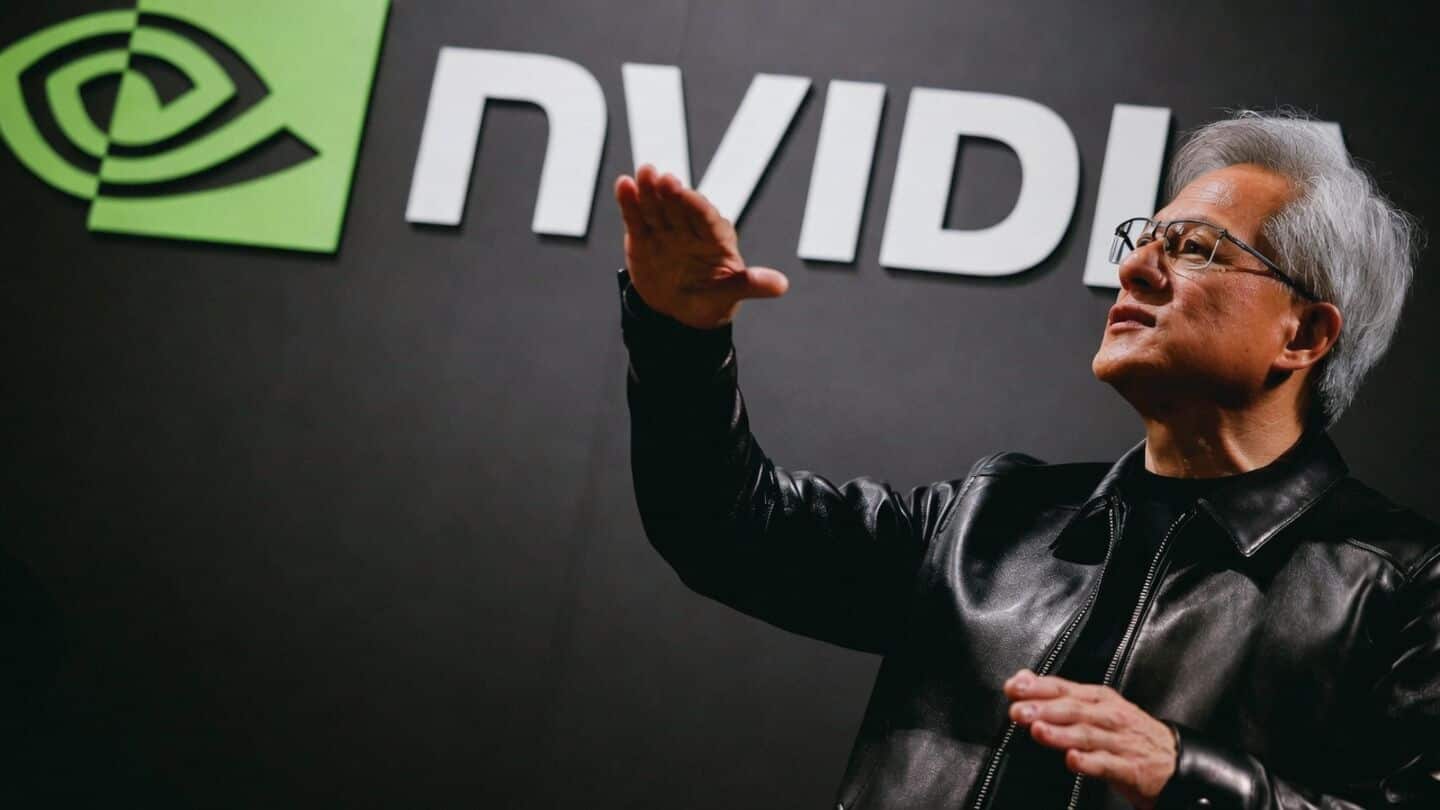
NVIDIA AI server prices are rising by more than 15%
What's the story
Some of NVIDIA's biggest customers have been told that prices for servers containing its artificial intelligence (AI) chips are rising by more than 15% in many cases, according to Bloomberg. The increase will affect systems with the flagship Vera Rubin and Grace Blackwell chips, among others. The decision comes as memory chip costs continue to rise. Contract manufacturers that build these servers for major data center operators like Microsoft, Google, and Oracle have already informed their customers about the same.
Market influence
Memory chipmakers gaining influence over tech landscape
The inability of industry leaders like NVIDIA to maintain or absorb rising costs highlights the growing power of memory chipmakers such as Samsung, SK Hynix, and Micron Technology.
This is especially true amid skyrocketing demand for AI infrastructure.
Major tech companies like Apple and Qualcomm have also been forced to raise product prices due to chip shortages.
Performance factors
DRAM's role in AI and its impact on pricing
NVIDIA's accelerator processors are key to computers that develop and run AI applications.
Their performance largely depends on the amount of dynamic random-access memory (DRAM) they are paired with.
Samsung, SK Hynix, and Micron dominate global DRAM production.
Despite increasing output, supply has not kept up with surging demand, leading to price hikes for these widely used components and giving memory chipmakers unprecedented influence over the tech industry.
Market strategy
TSMC's inability to meet demand exacerbates supply issues
NVIDIA is one of the most profitable companies in semiconductors, with a gross margin of 75%.
This means that 75% of its sales revenue remains after deducting production costs.
The company can charge tens of thousands of dollars per chip because supply from contract TSMC still can't meet runaway demand.
Originally derived from PC gaming chips sold for hundreds of dollars, AI accelerators have seen prices driven up by relentless demand and a lack of viable alternatives for NVIDIA's offerings.
Future implications
Industry-wide implications of NVIDIA's price hikes
NVIDIA has also raised prices for its gaming-oriented PC graphics cards, according to industry news site Tom's Hardware.
The latest price hikes could complicate the industry's ambitious AI data center expansion plans.
Project delays, labor shortages, tighter capital markets, and community resistance to new developments have already complicated many projects.
It remains to be seen how customers will react to these changes and if they will create opportunities for rivals in the market.