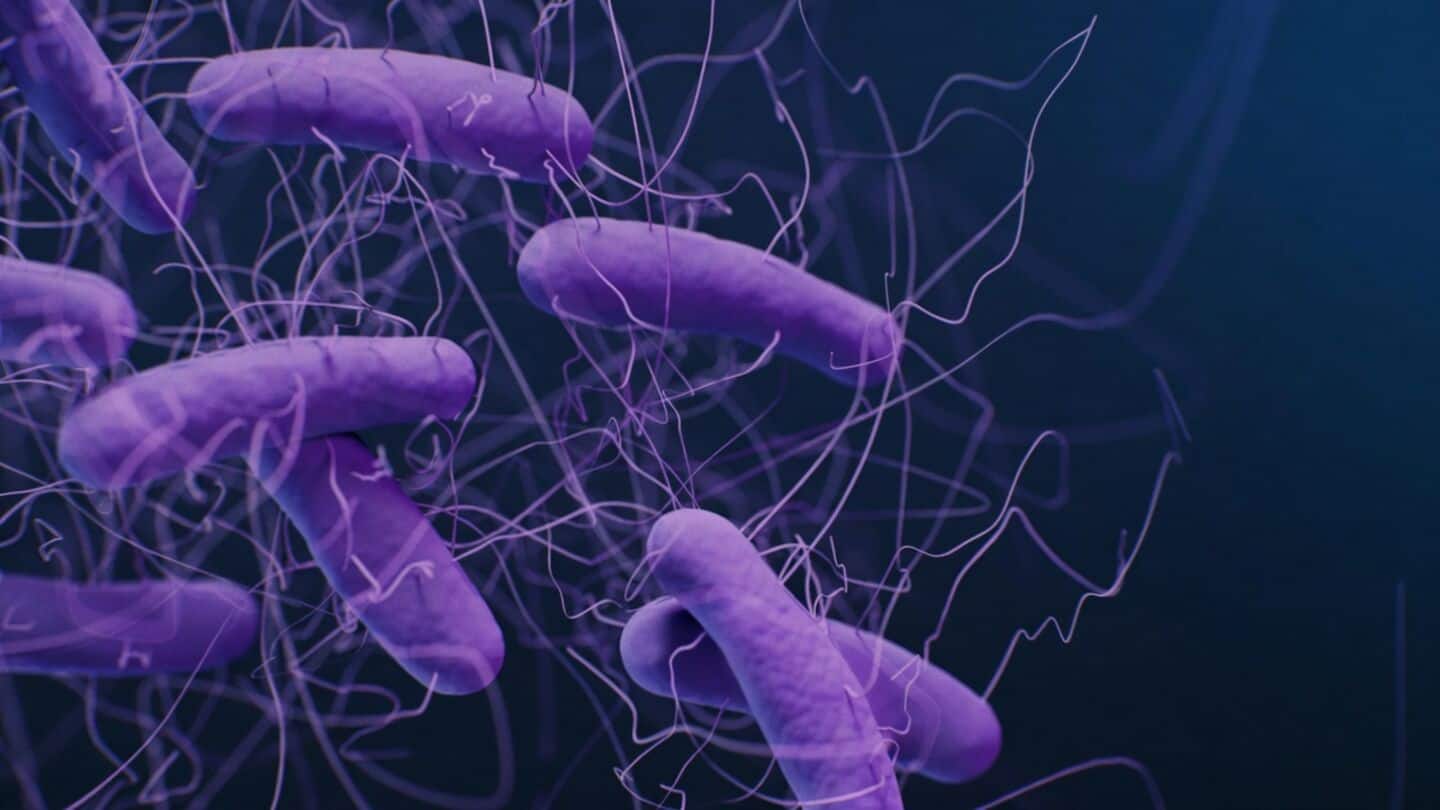
Oxford study finds colistin failing against Pseudomonas via pmrB mutations
A new Oxford study shows colistin, the "last-resort" antibiotic doctors use when nothing else works, is starting to fail against a hospital superbug called Pseudomonas.
This bacterium, which often causes tough lung infections in patients, has a gene (pmrB) that mutates super quickly, helping it dodge the effects of colistin.
As Professor Craig MacLean puts it, this makes colistin much less reliable for fighting these dangerous infections.
Hospitals pausing colistin reverses Pseudomonas resistance
Here's something surprising: if hospitals stop using colistin for a while, Pseudomonas actually loses its resistance.
This could help doctors rethink how and when to use the drug.
With over one million people dying each year from antibiotic-resistant bugs, scientists say we need fresh ideas, and fast, to stay ahead in this ongoing battle.