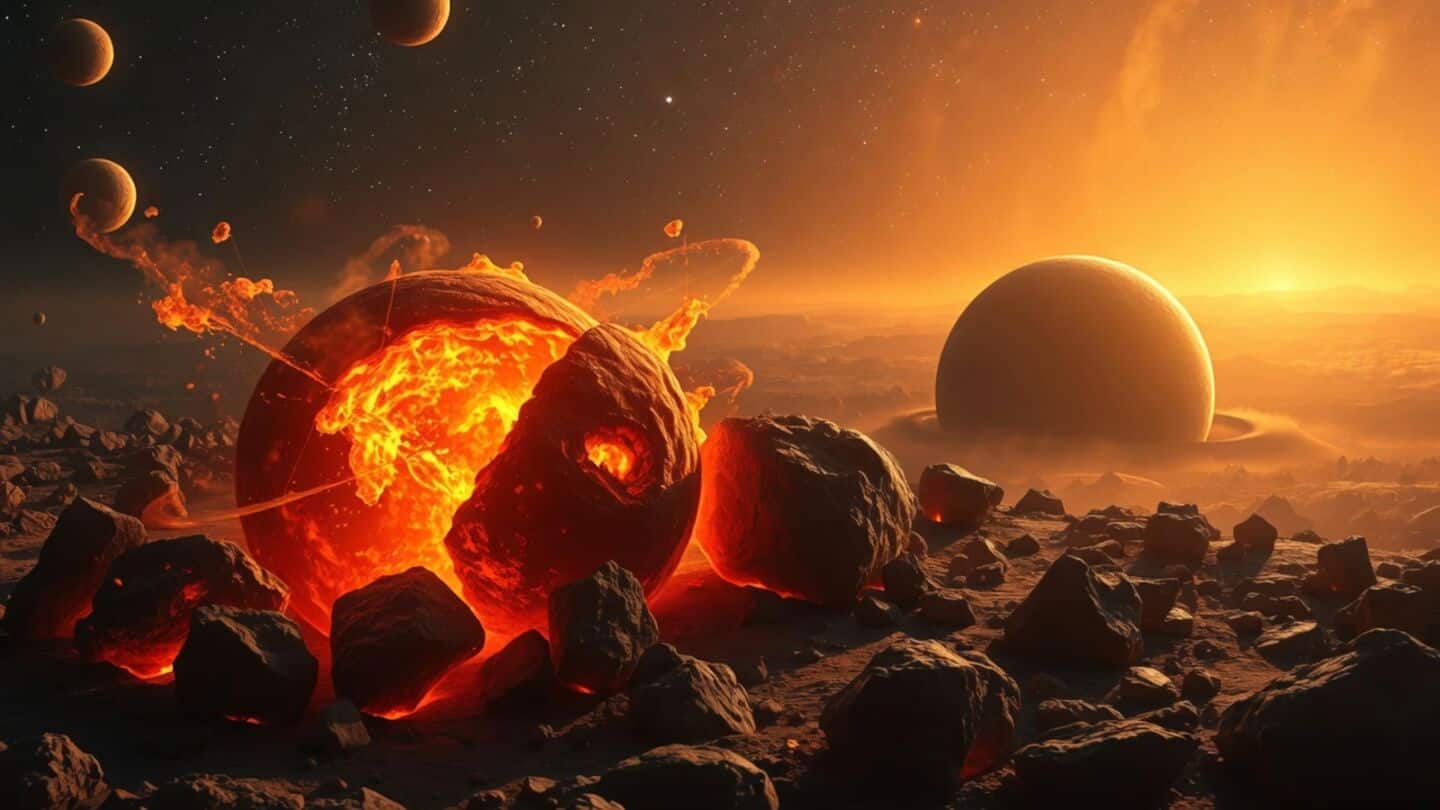
Pair-instability supernovae seeded rocky planets 100-million years after Big Bang
Technology
Turns out, rocky planets might have started popping up way earlier than we thought, just 100 million years after the Big Bang.
According to new simulations, massive star explosions called pair-instability supernovae scattered newly forged elements into surrounding space, setting the stage for rocky planet formation much sooner than expected.
Study hints early habitability before galaxies
The study found that these building blocks sometimes ended up in spots where liquid water could exist, hinting at early chances for habitability.
This shakes up what scientists believed about cosmic history, suggesting planets (and maybe even habitable ones) could have formed before galaxies were around.
The research just dropped this week.