Penn State converts pet to graphite for lithium-ion batteries
Technology
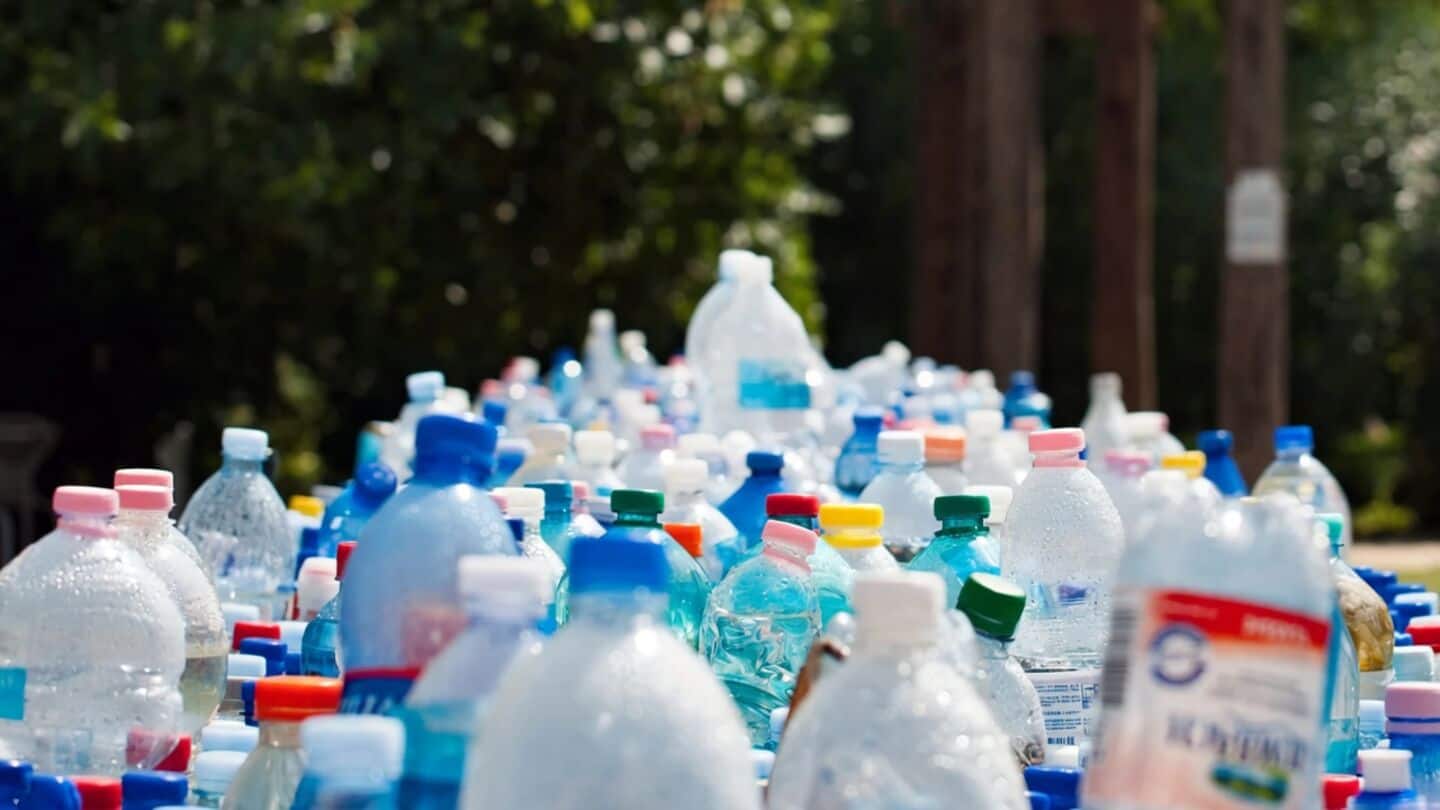
Penn State researchers have figured out how to turn old plastic bottles (polyethylene terephthalate, or PET) into synthetic graphite, a key ingredient for lithium-ion batteries.
This could mean fewer mined materials and less plastic waste, making electric vehicles and renewable energy storage a bit cleaner.
Heating shredded PET with graphene oxide
The team used a special heating process that mixes shredded PET with a tiny bit of graphene oxide.
This helps line up the carbon atoms just right, creating high-quality graphite with fewer impurities than traditional methods.
If scaled up, this approach could connect recycling directly to the growing demand for greener batteries, but more testing is still needed before it goes big.