Rubin Observatory unveils 3.2-gigapixel LSST image of over 500,000 galaxies
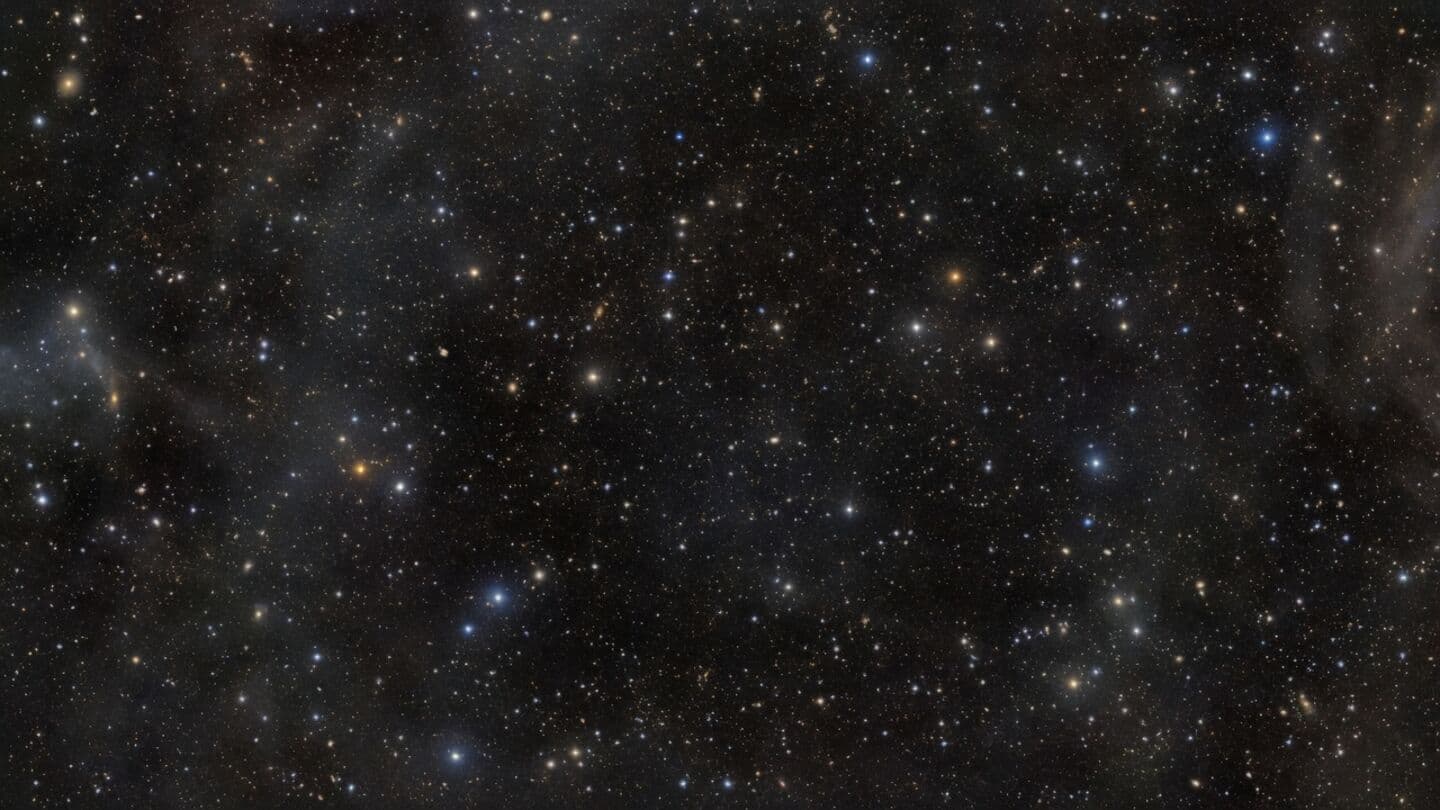
The Vera C. Rubin Observatory in Chile has dropped an epic deep-space image, capturing more than 500,000 galaxies and over 50,000 stars with its record-breaking 3.2-gigapixel LSST Camera.
By stacking hundreds of exposures, the team revealed everything from swirling spiral galaxies to cosmic collisions, even faint red galaxies from the universe's early days.
COSMOS field monitored in decade-long survey
This image zooms in on the COSMOS field, a patch of sky perfect for spotting distant galaxies because it's clear of Milky Way clutter.
Some light captured here traveled billions of years to reach us, offering a rare peek into how the universe started evolving.
And this is just the beginning: as part of a decade-long survey, scientists will keep watching this area to catch wild events like supernovae and unlock even more cosmic secrets.