Samsung to double Gemini AI-powered devices to 800M this year
What's the story
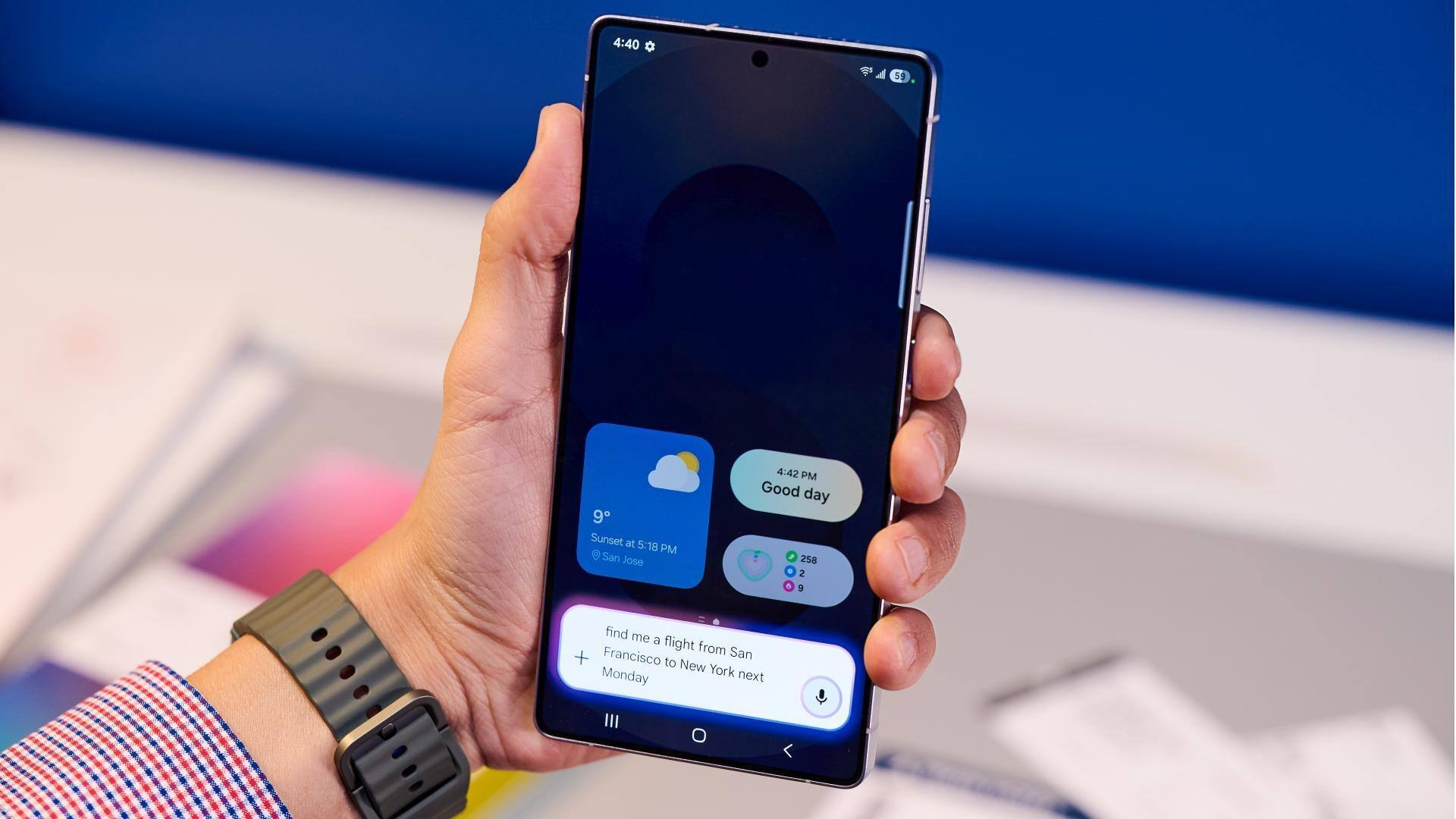
Samsung Electronics has announced its plan to double the number of mobile devices with artificial intelligence (AI) features powered by Google's Gemini. The move comes as part of the company's strategy to gain an edge over competitors in the global AI race. Samsung had already introduced Gemini-backed AI features in around 400 million mobile products, including smartphones and tablets, last year. Now, it plans to increase that number to 800 million by the end of 2026.
Expansion plans
Samsung's AI integration strategy
Samsung's co-CEO T M Roh said, "We will apply AI to all products, all functions, and all services as quickly as possible."
This ambitious plan is expected to give a major boost to Google's AI development efforts.
The move comes as part of the tech giant's efforts to compete with OpenAI and others in attracting more consumer users to their AI model.
Market dominance
Samsung's AI strategy extends beyond smartphones
Samsung is also looking to expand its AI capabilities across other consumer products, including TVs and home appliances.
The move is aimed at widening the company's lead over Apple in such features.
This comes as Alphabet's Google launched the latest version of Gemini in November, highlighting Gemini 3's superiority on several popular industry measures of AI model performance.
Consumer response
Samsung's AI brand awareness surges
Samsung has seen a huge jump in awareness of its Galaxy AI brand, with surveys showing a rise from about 30% to 80% in just one year.
Roh said, "Even though the AI technology might seem a bit doubtful right now, within six months to a year, these technologies will become more widespread."
He also noted that search is the most used AI feature on phones but consumers also frequently use generative editing and productivity tools for translation and summary.
Market impact
Samsung's semiconductor business and potential price hikes
The global shortage of memory chips is benefiting Samsung's semiconductor business, but it is also putting pressure on the margins of its smartphone business.
Roh said, "As this situation is unprecedented, no company is immune to its impact," adding that the crisis affects not just mobile phones but other consumer electronics as well.
He didn't rule out raising product prices due to a surge in memory chip prices but said some impact was "inevitable."
Market trends
Samsung's foldable phone market and future expectations
Roh said the market for foldable phones that Samsung pioneered in 2019 has been growing slower than expected.
He attributed this to engineering complexities and lack of applications suitable for the hardware design but expects the segment to go mainstream in two or three years.
Despite facing competition from Chinese companies such as Huawei, Samsung controlled nearly two-thirds of the foldable smartphone market in Q3 2025, according to Counterpoint.