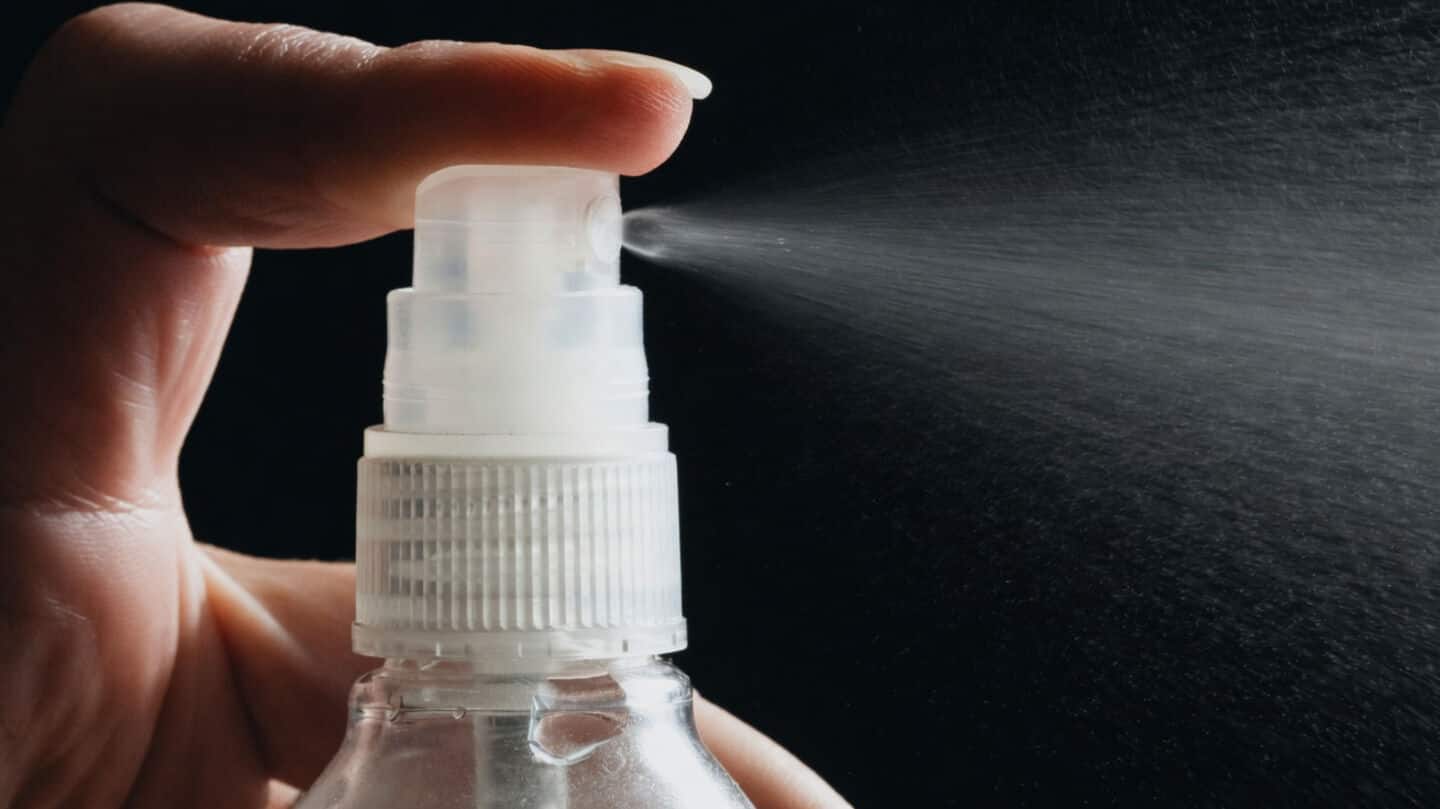
Scented household cleaners create nanoparticles that threaten lungs, ACS finds
Turns out, your favorite citrus or pine-scented cleaners might be making your air at home less healthy.
New research shared at the American Chemical Society meeting found that these scented products can react with ozone indoors to create tiny nanoparticles, at levels similar to what you'd breathe in from city traffic.
Breathing them in while cleaning could actually put your lungs at risk.
Experts advise ventilation and low-fragrance cleaners
The Purdue University team found that chemicals called terpenes (the stuff that gives cleaners their fresh smell) are usually safe, but mix them with ozone from things like copy machines or UV lamps and they turn into particles small enough to get deep into your lungs.
You won't see any smog, but the health impact could be bigger than outdoor pollution.
Experts say it's smart to go easy on heavily scented cleaners, keep rooms well-ventilated when cleaning, and try to find low-fragrance cleaning agents.