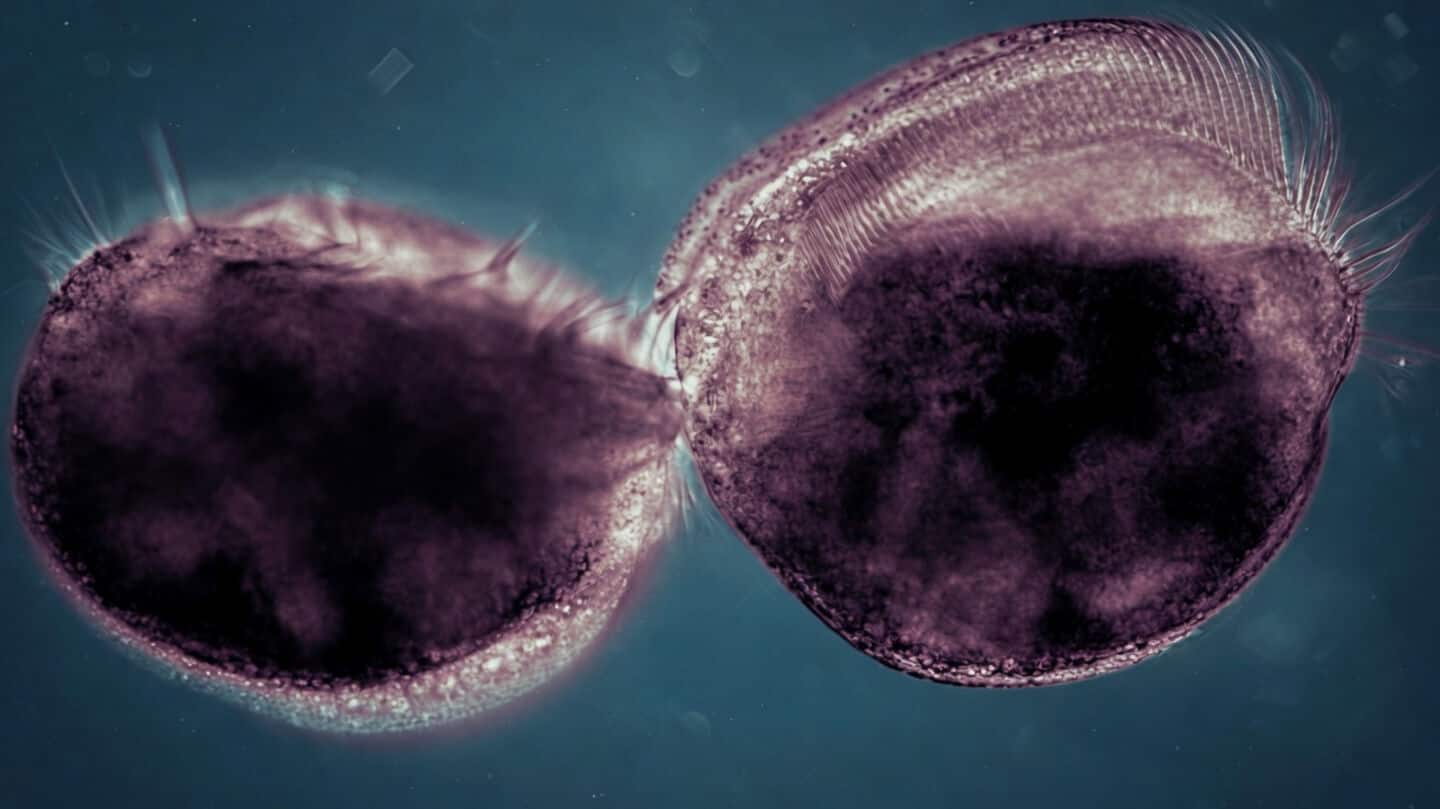
Scientists find Euplotes gigatrox can become supergiant predator in lab
Technology
Scientists just found out that the microbe Euplotes gigatrox can suddenly grow into "supergiant" versions of itself in the lab, more than twice its usual size.
Instead of their normal filter-feeding, these supergiants start hunting and eating their smaller siblings, downing one every 10 minutes.
Supergiant state rewires >42% gene activity
The change isn't just about size: they develop bigger feeding parts, move differently, and switch up more than 42% of their gene activity.
Oddly enough, things like food shortages or overcrowding aren't causing this.
While being a supergiant lets them eat more and maybe reproduce faster, it also means they can only move along surfaces and can either divide while remaining supergiants or revert to normal morphs.