Stanford researchers block 15-PGDH to regrow cartilage in mice
Technology
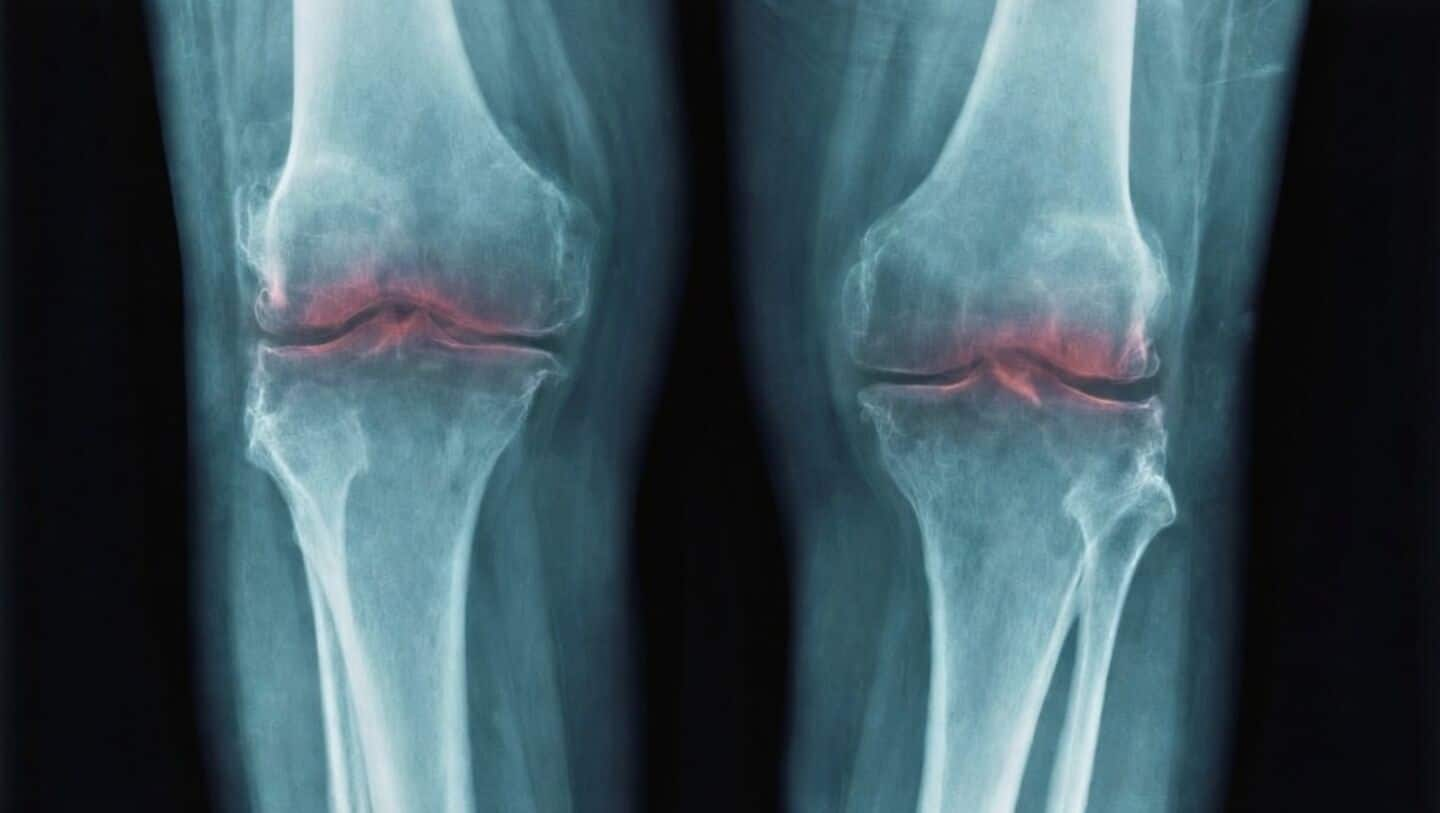
Stanford researchers may have cracked a big problem: they found that blocking a protein called 15-PGDH can actually help repair cartilage damaged by osteoarthritis.
In their study, mice that got this treatment grew back healthier cartilage, which could mean fewer painful joints, maybe even less need for joint replacement surgeries in the future.
Mice mobility improved, human tissue promising
The team saw older mice regrow thicker cartilage and younger injured mice avoid the usual joint damage.
They also tested on human knee tissue from surgeries, and results were promising there too.
Mice treated with this approach moved better and felt less pain, so there's hope this could lead to easier, non-surgical treatments for people down the line.