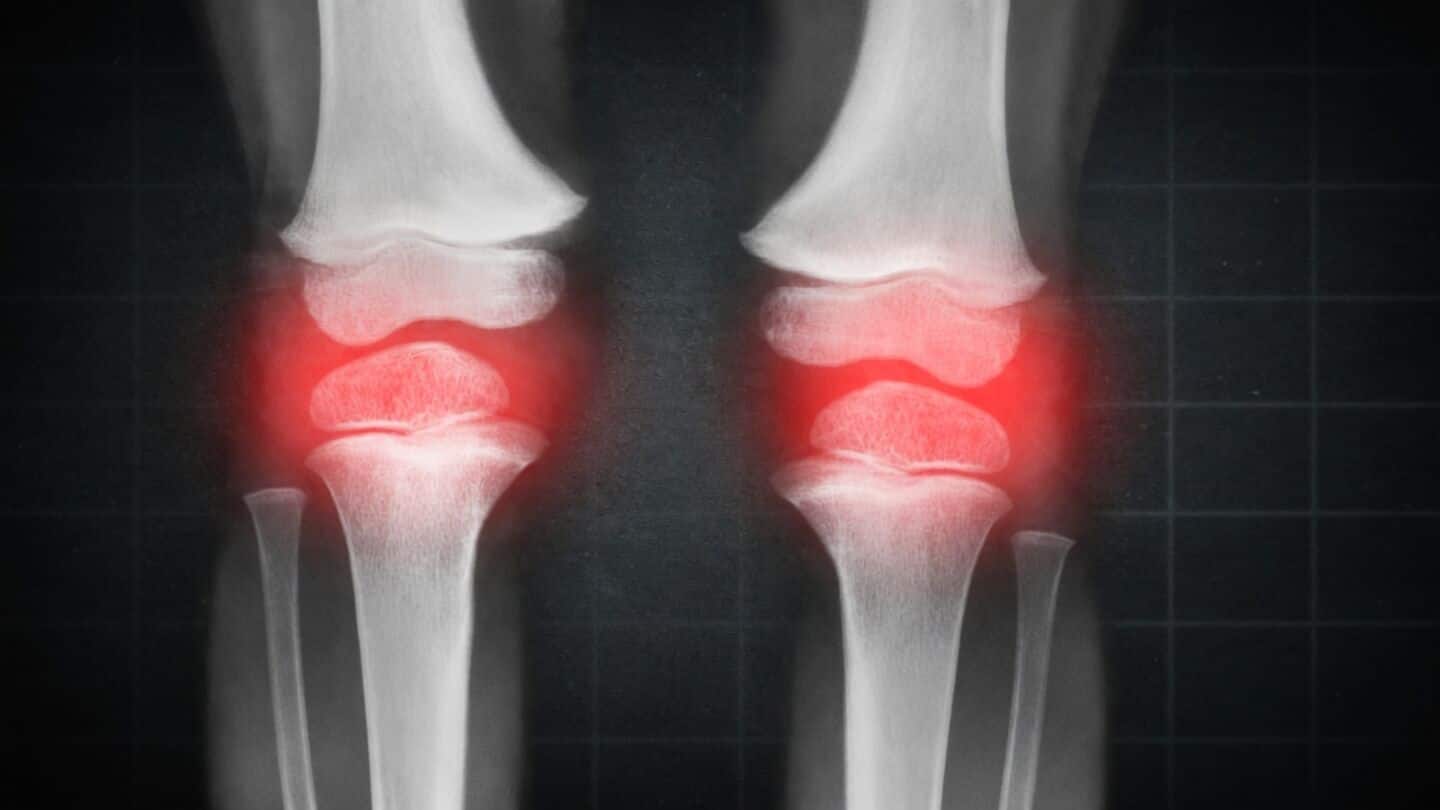
Stanford scientists block 15-PGDH to regrow cartilage using chondrocytes
Stanford scientists just found a protein called 15-PGDH that slows cartilage repair as we age.
By blocking it, they managed to regrow damaged cartilage in mice and even prevent arthritis after injuries like ACL tears.
Instead of stem cells, they used the body's own cartilage-building cells, chondrocytes, which Stanford University stem cell biologist Helen Blau called "a new way of regenerating adult tissue."
Tests on human knee cartilage showed less inflammation and better stiffness after treatment.
Study part of ARPA-H NITRO program
This research is part of ARPA-H's more than US$100 million NITRO program to develop next-generation joint therapies.
Separate teams, including a Columbia University team, are developing a 3D-printed living human knee scaffold seeded with stem cells.
Stanford hopes to speed up clinical trials since safety data already exists for these blockers, bringing us closer to treatments that might make joint replacements a thing of the past.
The findings were published in the journal Science.