Stanford scientists launch STEHM to pinpoint rocky planets retaining atmospheres
Stanford scientists have just launched STEHM, a new model that helps spot planets where life might actually survive.
By figuring out which rocky planets can keep their atmospheres for billions of years, STEHM makes it way easier for astronomers to focus on the most promising worlds instead of searching blindly.
STEHM finds 80% Earth size threshold
STEHM checks a planet's size, volcanic activity, internal heat, and how much radiation it gets from its star.
Turns out, if a rocky planet is at least 80% as big as Earth and orbiting within habitable zones around sun-like stars, it can retain atmospheres for 10 billion years or more. Smaller ones lose theirs much faster.
The model correctly reproduced Venus's thick carbon dioxide atmosphere and Mars's long-term atmospheric loss.
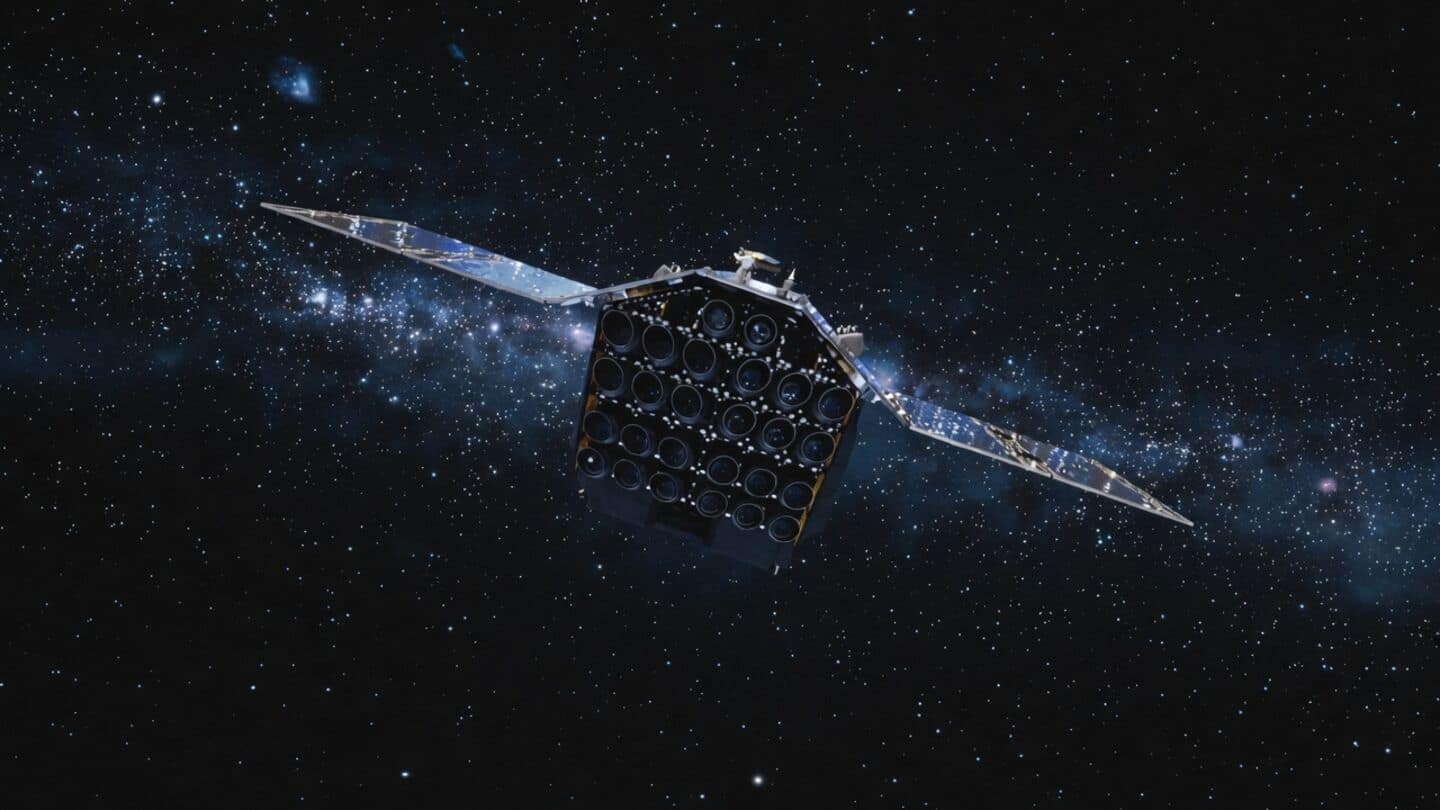
Published this month in the Planetary Science Journal, STEHM is set to help future missions like ESA's PLATO telescope pick the best targets for finding signs of life.