This company is making artificial eggs to resurrect extinct birds
What's the story
Colossal Biosciences, a Texas-based company, has made a major breakthrough in its quest to resurrect extinct birds like the dodo. The firm has developed artificial eggs, a critical step toward bringing these long-lost species back to life. The innovative creation is part of Colossal's larger goal of reviving other extinct creatures such as the wooly mammoth and Tasmanian tiger.
Innovation
How do the artificial eggs work?
The artificial egg, a 3D-printed plastic structure, is designed to mimic the functions of a natural egg.
It has been successfully used to hatch healthy chicken chicks at Colossal's lab in Dallas.
The honeycomb structure of the egg allows oxygen to enter while preventing leakage.
Trevor Snyder, a bioengineer at Colossal Biosciences, said this breakthrough is "the coolest thing I've ever worked on."
Revival strategy
Revival of extinct species
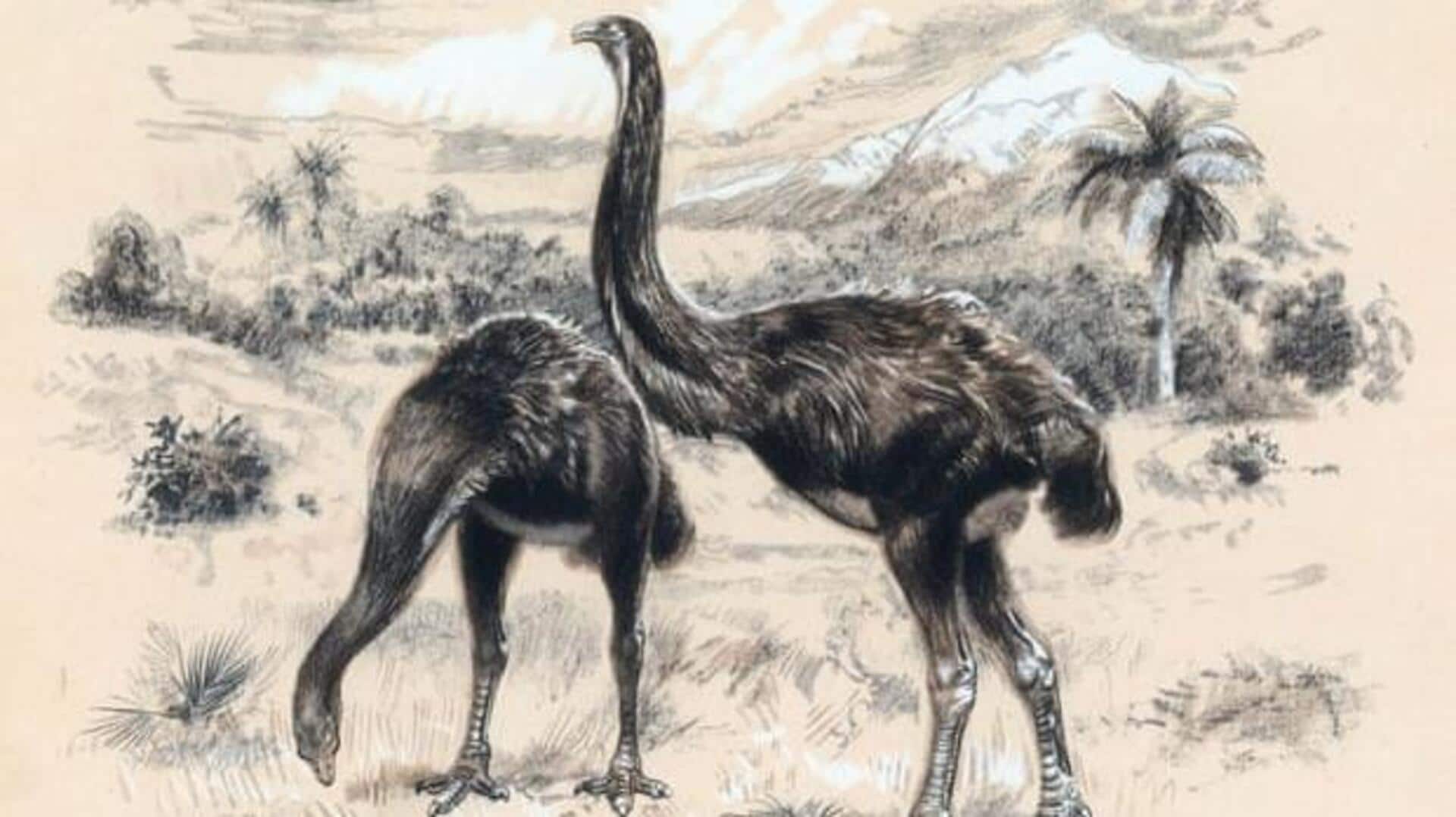
The artificial eggs are seen as a potential solution to revive extinct birds such as the dodo and giant moa.
The dodo's eggs were slightly bigger than regular chicken eggs, while the moa's were about football-sized.
No existing bird can grow a moa embryo in its egg, making artificial solutions necessary.
Colossal plans to use gene-edited cells from the Nicobar pigeon and possibly emu for these projects.
Conservation potential
Ethical concerns over resurrection of extinct species
The artificial eggs developed by Colossal could also be used to save endangered birds and reptiles.
Neil Gostling, a paleobiologist at the University of Southampton, praised the innovation as, "I'm genuinely blown away by it. This is brilliant. I just think it's fantastic."
However, some scientists are wary of bringing back extinct species due to ecological and ethical concerns.
They argue that these animals could suffer or become extinct again because their habitats have changed too much.