This AI app can detect depression in new mothers
What's the story
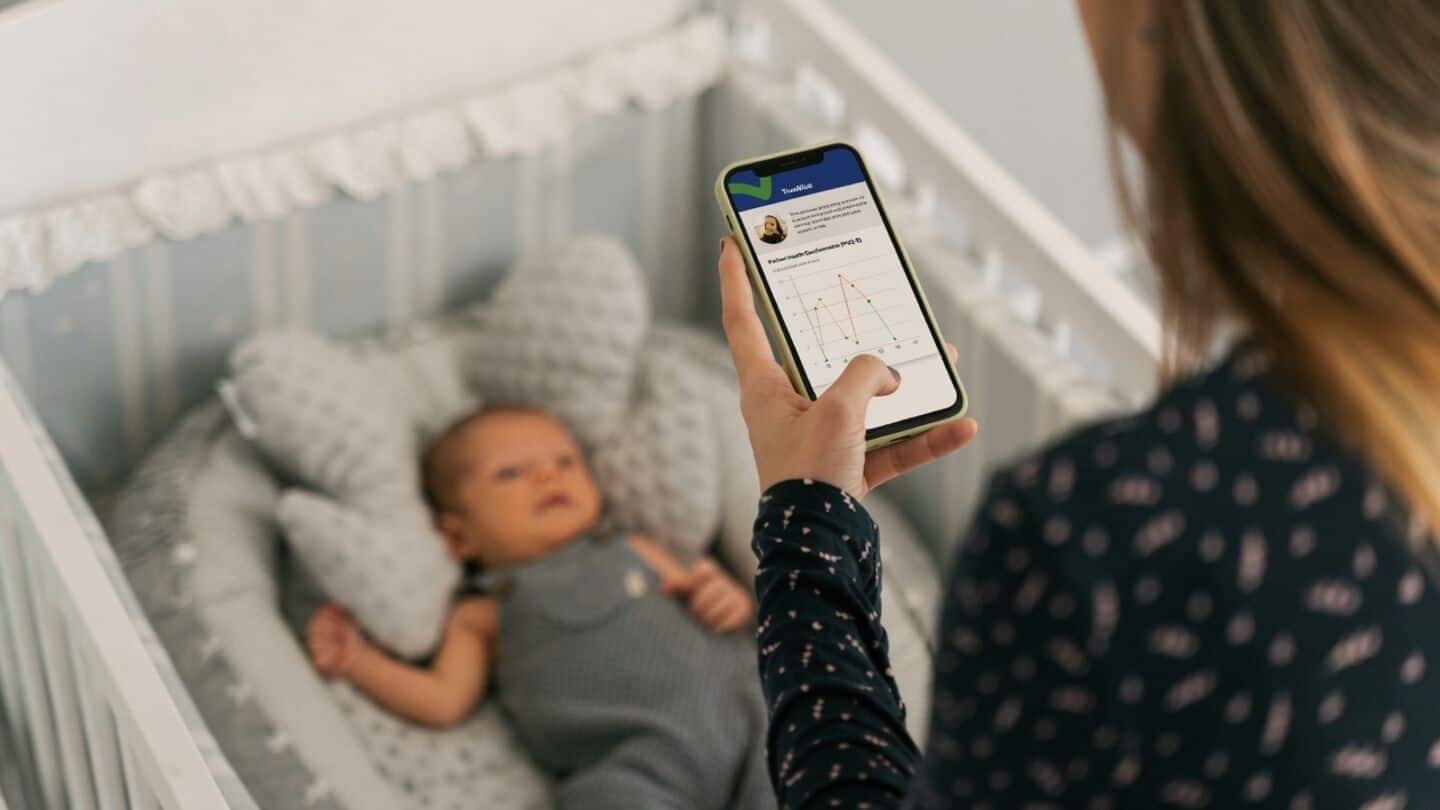
A team of researchers from the University of Nottingham and Nottinghamshire Healthcare NHS Foundation Trust, are testing a new AI app for detecting signs of depression in pregnant women and new mothers. The innovative tool, developed with BlueSky, an AI company, analyzes facial expressions, speech patterns, and automatic movements while users perform tasks like journaling or reading. The aim is to identify mental health struggles at an early stage.
Functionality
How the app works
The AI app works by flagging users with high depression scores, prompting healthcare professionals to follow up.
Early results from the study indicate that nearly one-third of participants may be struggling with their mental health.
The study is set to continue until October 2026, and researchers hope this technology could support clinicians in their work.
Impact
Early detection can save lives
Dr. Neil Nixon, one of the leading researchers on the project, emphasized the importance of early detection in preventing maternal deaths.
A report by the University of Oxford last year noted that suicide accounts for 39% of maternal deaths between six weeks and one year after pregnancy in the UK.
"Being able to identify clinical problems early on, at a point where we can intervene for those women, could really make a big difference," he said.
Testimonials
Participant and expert views
Lizzie, a participant from Long Eaton, shared her experience with the app when her youngest child was seven months old.
She said people often underestimate how challenging it can be after leaving the hospital.
Sally Bunkman from PANDAS also praised the app for encouraging women to speak out but stressed that human support is still essential in this process.
Clarification
AI not a replacement for clinicians
Dr. Nixon clarified that while the AI app is a useful tool for clinicians, it doesn't replace them.
"We hope this will help women check in with their feelings at a time that is so important in their lives," he said.
The researchers believe this technology could be a game-changer in supporting women's mental health during and after pregnancy.