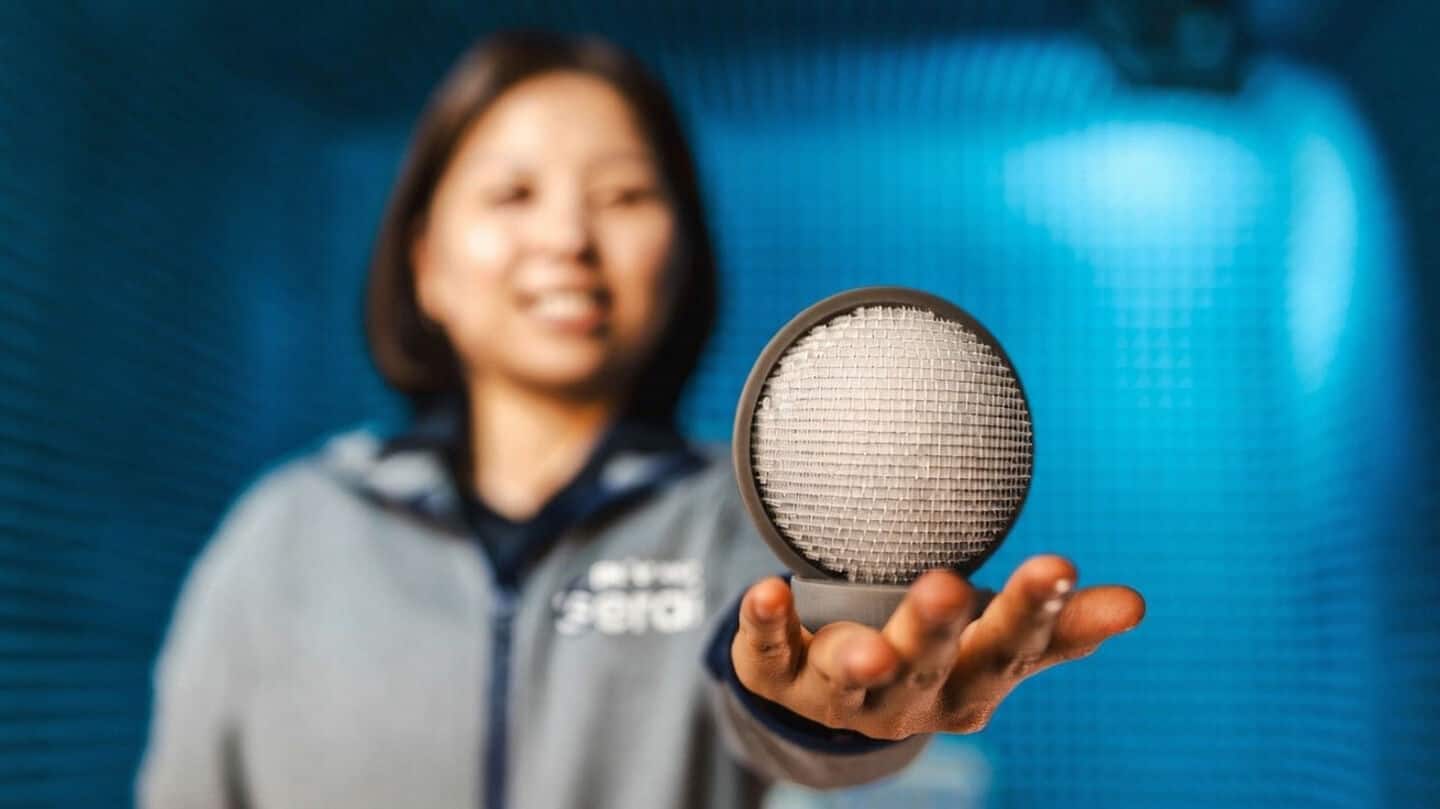
This radar can help self-driving cars see around corners
A team at Rice University has built EyeDAR, a small, low-power radar sensor that helps self-driving cars spot people or obstacles hidden from view, like behind parked vehicles or around corners.
About the size of an orange, EyeDAR can be attached to streetlights and intersections, giving cars extra eyes where their own sensors might miss something.
It made its debut at HotMobile in Atlanta recently.
Works in conditions where cameras and lidar struggle
EyeDAR works even when cameras and lidar struggle: think foggy mornings or rainy nights.
It picks up radar reflections from hidden objects and relays that information in real time back to the vehicle that sent the radar pulse, which could help make streets safer.
EyeDAR uses a special 3D-printed lens
Instead of relying on heavy digital processing, EyeDAR uses a special 3D-printed lens with thousands of tiny resin pieces to quickly focus radar waves.
This lets it figure out where things are up to 200 times faster than standard radars.
Plus, it sends data by cleverly bouncing back existing signals as binary code, making it relatively low-cost and intended for large-scale deployment, though manufacturing and scaling challenges remain.