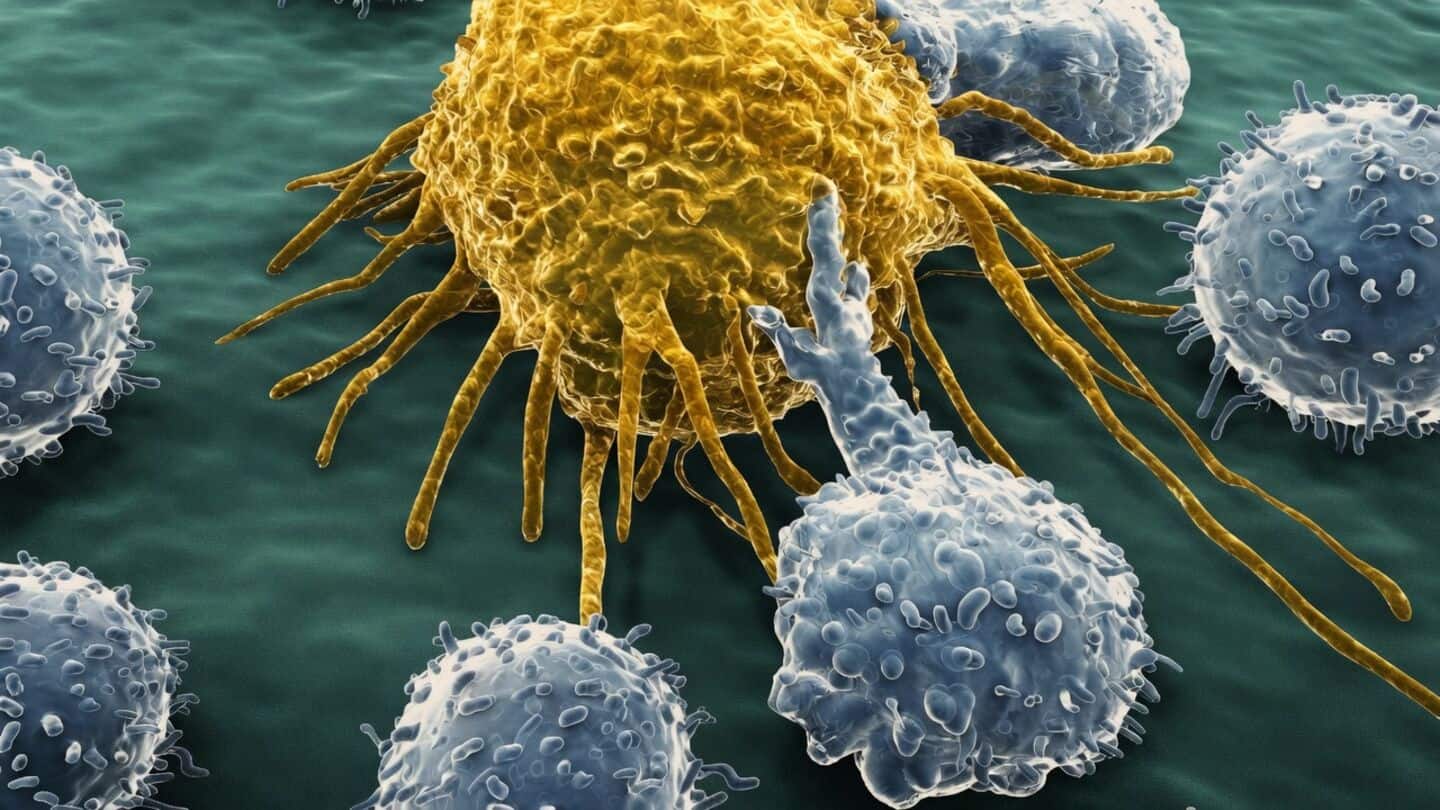
USC researchers program macrophage progenitors in lab to aid immunotherapy
USC researchers just found a special type of immune cell that can be programmed to multiply endlessly in the laboratory.
Called macrophage progenitor cells, these are basically the "starter" cells that help fight cancer.
The discovery, published in Cell, could make it much easier to develop powerful new immunotherapies.
GMP-derived CAR-Ms slow tumors in mice
Macrophages are key players against solid tumors, but making enough of them has always been tough.
The USC team cracked the code by growing granulocyte-monocyte progenitors (GMPs), which they turned into CAR-M cells. These slowed down cancer growth in mice.
Unlike regular injected cells, GMPs can travel through the body and keep producing fresh immune fighters, opening up new ways to treat not just cancer but other diseases too.
As researcher Qi-Long Ying put it, this could be a whole new avenue for future therapies.