Women in space: Study finds microgravity alters their blood clotting
A new study published today finds that simulated microgravity alters clotting in women — clots took longer to start but then formed faster and were stronger, a pattern that could signal increased thrombotic risk and warrants further study.
Researchers at Simon Fraser University, working with the European Space Agency, had 18 women spend five days in a microgravity simulation to see how their bodies reacted.
Key findings of the study
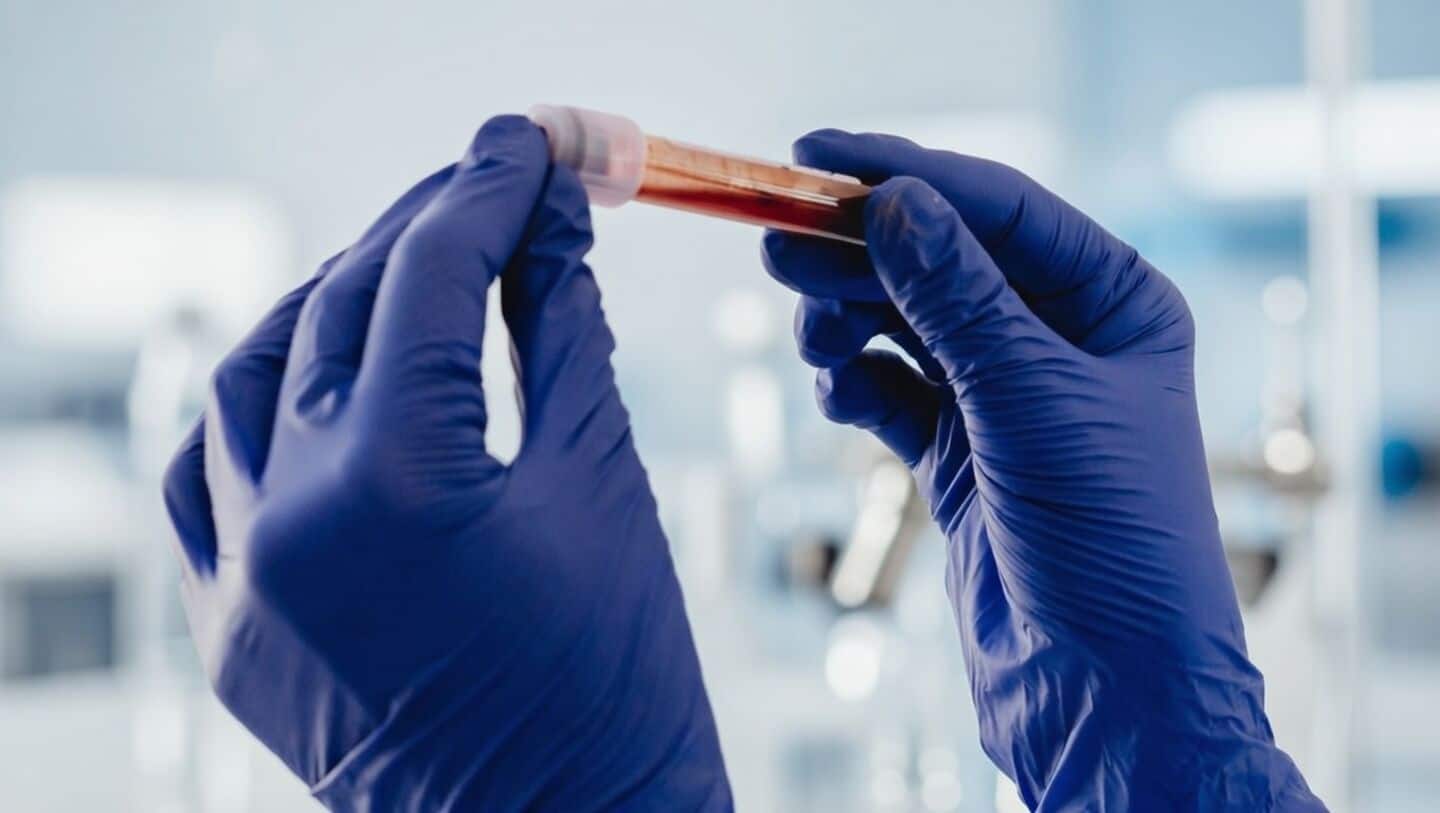
Using special clotting tests, scientists saw that while it took longer for blood to start clotting in these conditions, once it began, clots formed faster and were tougher than usual.
Menstrual hormones didn't seem to affect this change.
Risks of clots during space travel
This matters because a female astronaut on the International Space Station had a surprise neck vein clot back in 2020.
Since then, regular neck ultrasounds have become standard on the station.
Clots can be risky if they move to the lungs or heart.
Future research directions
Researchers are now looking at what might happen during longer missions like Artemis or Mars trips where medical help isn't close by.
They're also comparing results with male data to spot any key differences between men and women in space.