World's smallest autonomous robots could revolutionize medicine
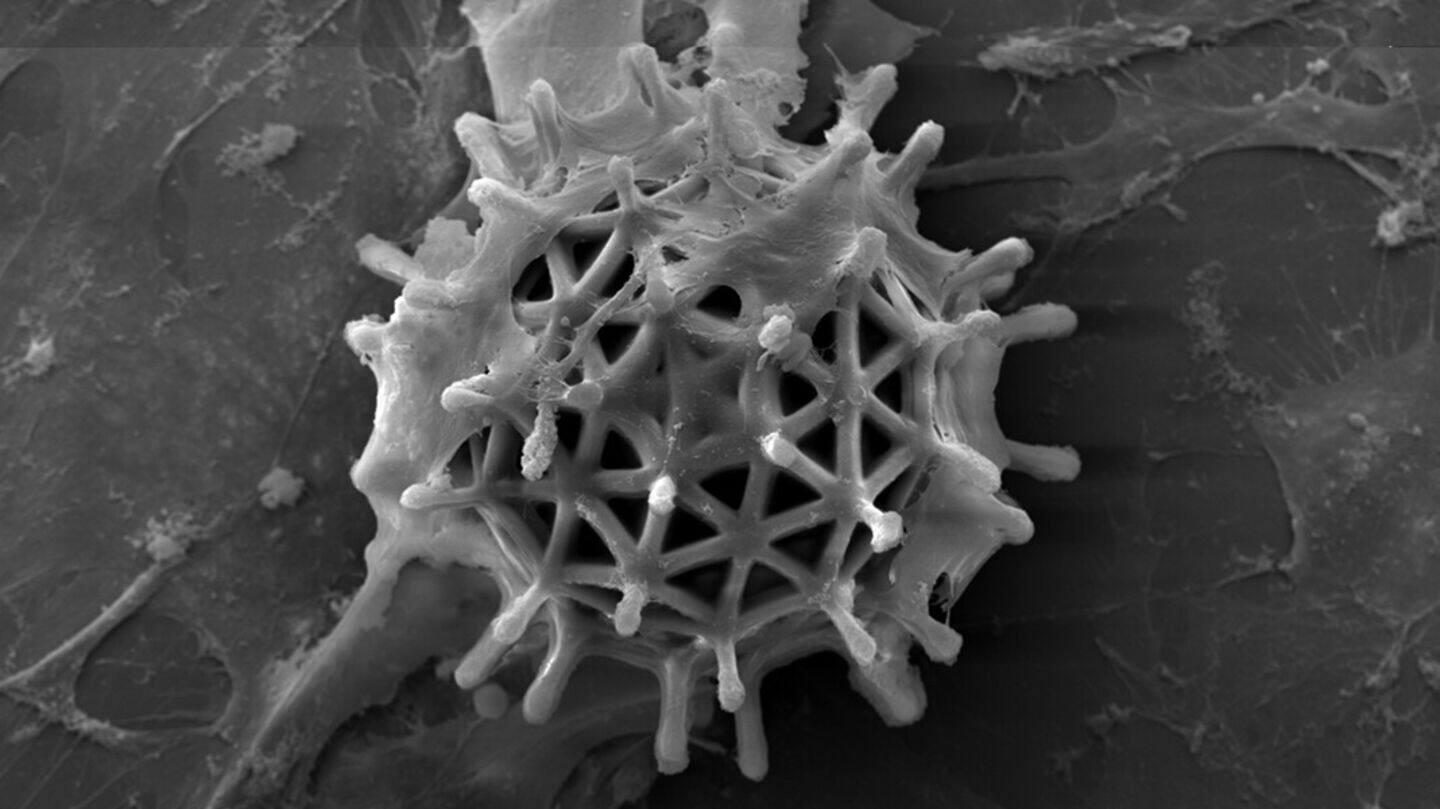
Scientists at the University of Pennsylvania and University of Michigan have built super tiny, self-driving robots—about twice the width of a human hair.
These little bots can sense what's around them and make decisions on their own, which could lead to new ways to check up on cells or deliver medicine right where it's needed.
How they work—and what's next
The secret is a new propulsion system: LED light powers the bots by creating electric fields in a hydrogen peroxide solution, letting them move in surprisingly complex ways.
They run on ultra-efficient microcomputers, so they don't need much energy.
Right now, there are some hurdles—they need constant light and use chemicals that aren't safe for the body—but researchers are already working on safer versions.
Bonus: the equipment needed to program and control them costs about $100 using regular parts, while each robot itself costs about one cent to produce at scale, making this tech surprisingly accessible.