Iran war impacts global condom supply; prices to rise 20-30%
What's the story
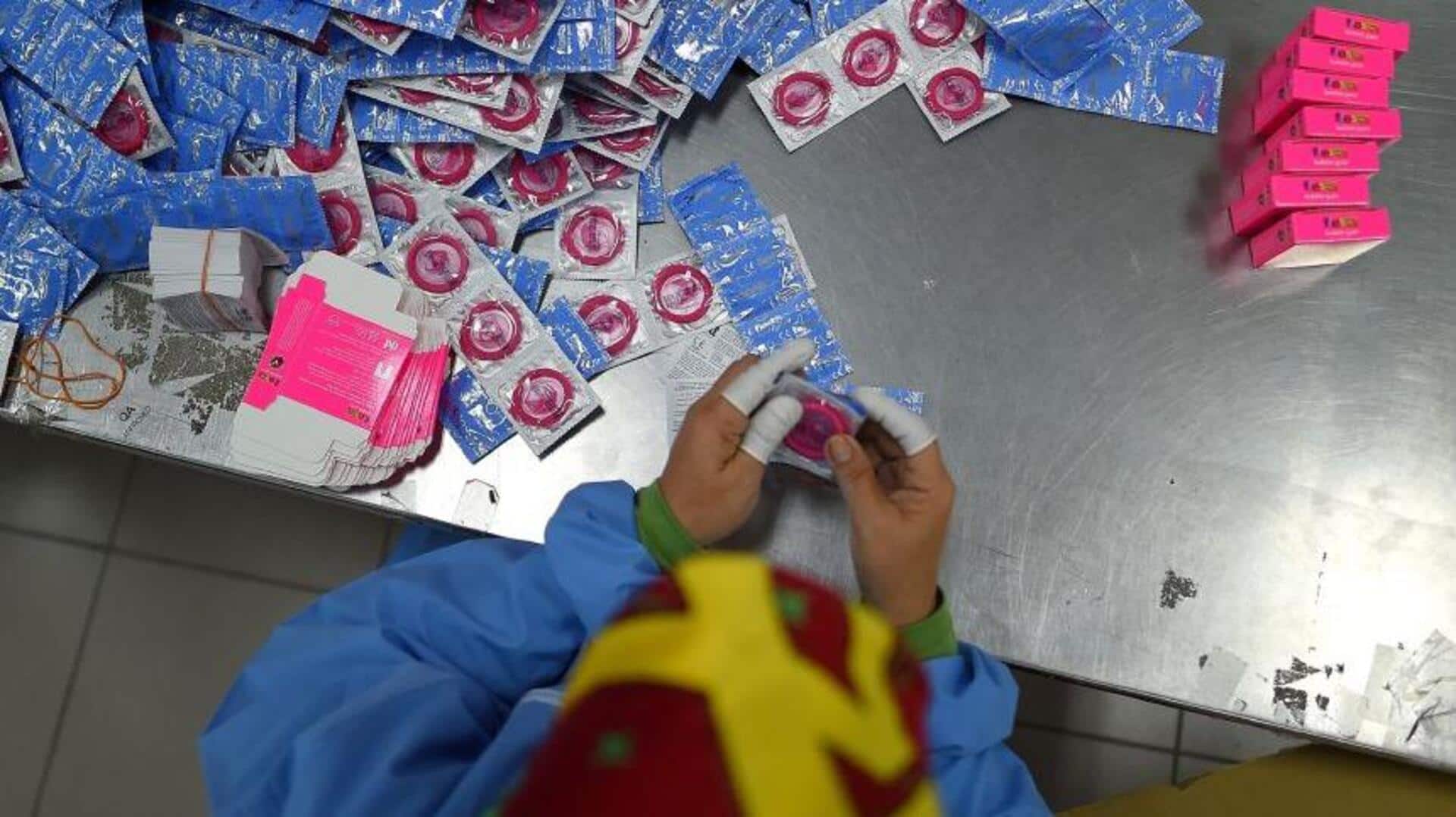
Karex Berhad, the world's largest condom manufacturer, has announced plans to increase prices by 20-30% and possibly even more due to supply chain disruptions caused by the ongoing Iran war. The company, which produces over five billion condoms a year for brands like Durex and Trojan, is facing rising costs of raw materials such as silicone oil and synthetic rubber. These materials are essential for condom production but have been affected by the blockade of Hormuz.
Supply challenges
Freight costs and shipping delays
The Iran war has also led to rising freight costs and longer shipping times, with shipments to Europe and North America now taking over 60 days instead of the usual 30.
This has left retailers with lower stockpiles than usual.
"We're seeing a lot more condoms actually sitting on vessels that have not arrived at their destination but are highly required," CEO Goh Miah Kiat told Reuters.
Cost transfer
Public health implications
Goh emphasized the fragility of the situation, saying, "The situation is definitely very fragile."
He added that they have no choice but to transfer these rising costs to customers.
"This isn't just about a luxury product; it's a critical medical supply," he added.
The price hike could have serious implications for public health, as advocates warn high prices and low availability could lead to unintended pregnancies and spread STDs in vulnerable populations.
Demand
Condom demand surged by roughly 30% this year
Demand for condoms has surged by roughly 30% this year, with increasing freight costs and delivery delays exacerbating shortages, Goh added.
"In bad times, the need to use condoms is even more because you're uncertain with your future, whether you'd still have a job next year," he told Bloomberg. "If you have a baby right now, you'll have one more mouth to feed," he added.
Healthcare impact
Broader impact on healthcare supplies
The crisis isn't limited to condoms alone. Medical glove prices have surged by nearly 40%, with hospitals in Malaysia and Singapore rationing surgical supplies.
Analysts warn that unless maritime corridors are reopened soon, "cost-push inflation" in the rubber sector could lead to a global scarcity of essential healthcare rubber products by late May.