Ebola vaccine could take another 9 months: WHO warns
What's the story
The World Health Organization (WHO) has warned that it could take up to nine months for a vaccine against the Bundibugyo species of Ebola to be developed. Two candidate vaccines are in development, but neither has started clinical trials yet, WHO advisor Dr. Vasee Moorthy said on Wednesday. The outbreak has killed 139 people and sickened 600 others, mostly in the Democratic Republic of Congo (DRC) and Uganda.
Emergency declaration
WHO assesses risk of epidemic as high
WHO chief Dr. Tedros Adhanom Ghebreyesus said there have been 51 confirmed cases in DRC's Ituri and North Kivu provinces, along with two in Uganda.
WHO declared a public health emergency of international concern on Sunday. However, Ghebreyesus clarified on Tuesday that it was not at a pandemic level.
"WHO assesses the risk of the epidemic as high at the national and regional levels and low at the global level," he said.
Virus challenges
Bundibugyo species poses unique challenges
Congo is facing its 17th outbreak of Ebola, but the Bundibugyo species of Ebola, which hasn't been seen in over a decade, poses unique challenges.
It has only caused two previous outbreaks: one in Uganda in 2007 and another in DRC in 2012.
Although less deadly than other strains, its rarity means fewer preventative measures are available.
No approved vaccines or drugs target Bundibugyo specifically, complicating treatment efforts further.
Vaccine development
Experimental vaccines being developed
Dr. Moorthy said one experimental vaccine under development "would be the equivalent of" the only vaccine currently available to prevent the spread of Ebola. This is only effective against Zaire species.
However, it would take six to nine months to be ready.
A second possible vaccine based on the AstraZeneca platform is being manufactured but lacks animal data supporting its effectiveness. This vaccine could be available for clinical trials in two to three months if animal trials are successful.
Financial support
UK pledges £20 million to help contain outbreak
The United Kingdom has pledged up to £20 million to help contain the outbreak. The funding will be used for frontline health workers, improved infection control and disease surveillance.
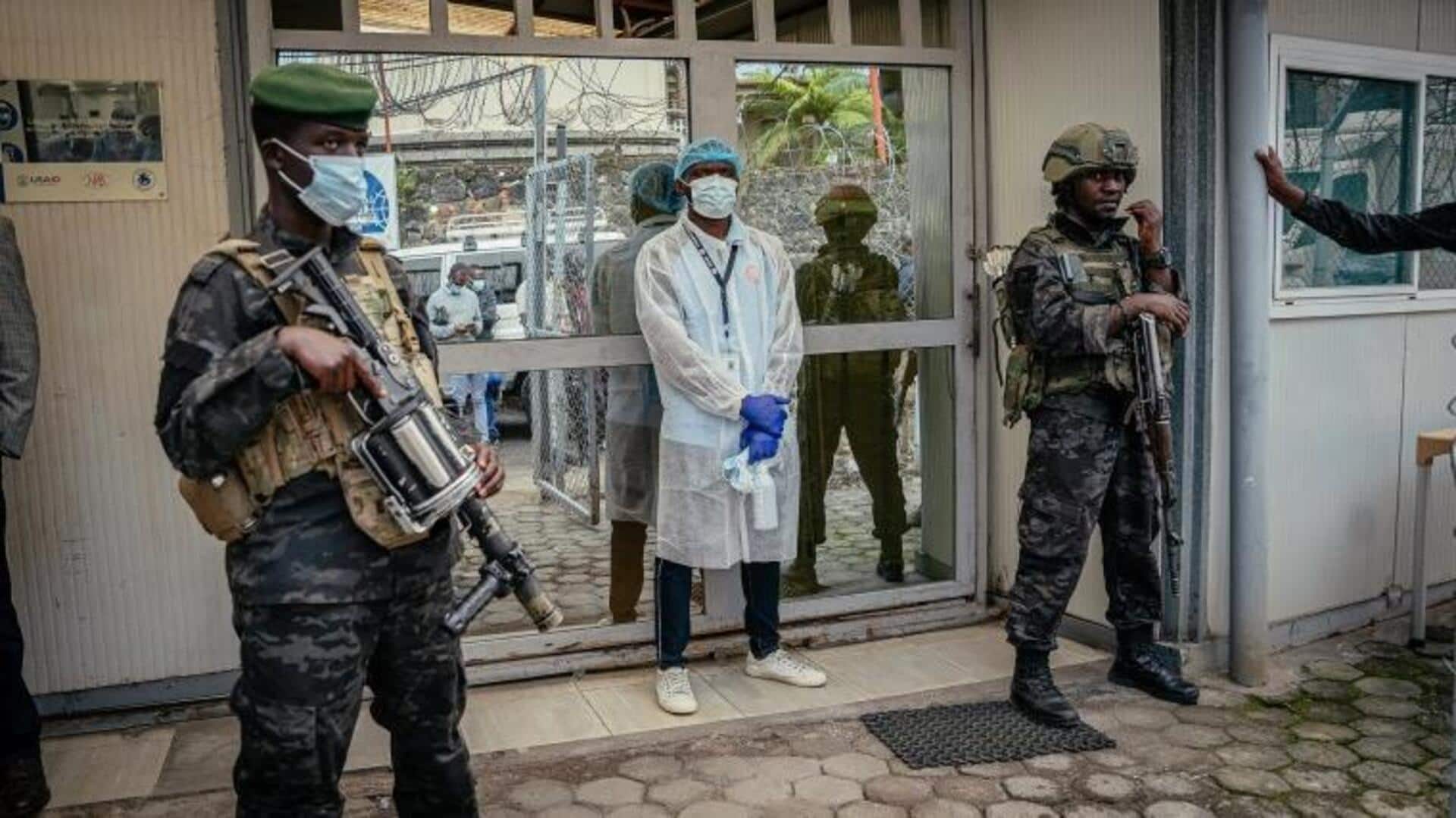
Local health workers are overwhelmed with suspect cases due to inadequate facilities and protective equipment.
Trish Newport from Médecins Sans Frontières said some facilities are "full of suspect cases. We don't have any space."