Germany might reactivate coal plants to bring down energy prices
What's the story
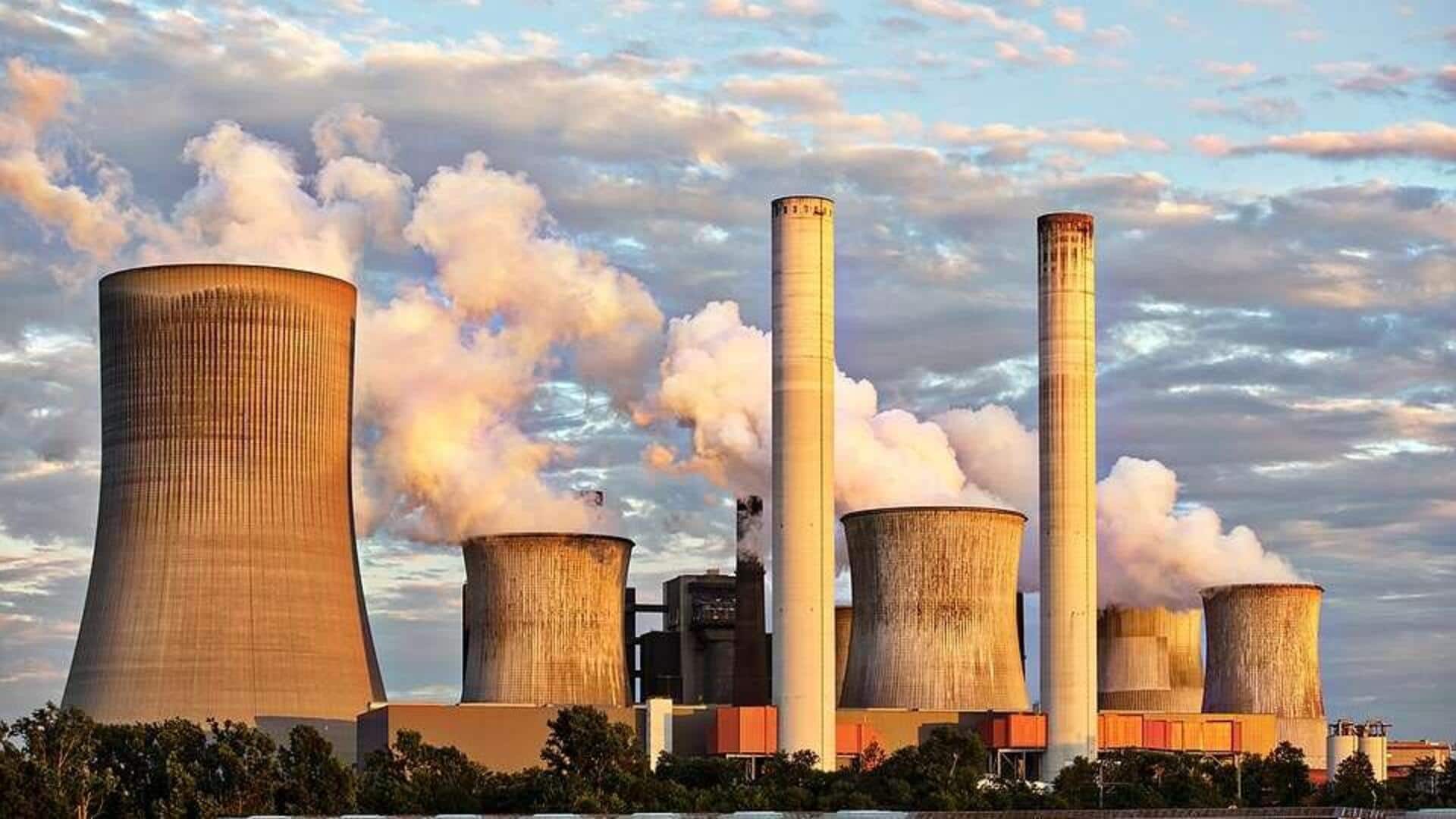
Germany is considering reactivating standby coal-fired power plants to reduce high energy prices. The decision was reached after talks in parliament on Friday between lawmakers from Chancellor Friedrich Merz's conservative party and coalition partner Social Democrats. This move reverses Germany's previous commitment to phase out coal-fired power stations by 2038, a plan agreed upon nearly five years ago.
Energy dependence
Germany heavily relies on LNG
Germany has been grappling with high energy prices since losing Russian pipeline gas supplies in 2022. The country now heavily relies on Liquefied Natural Gas (LNG) shipments to meet its energy needs.
Sepp Muller, vice chair of the governing conservative party's parliamentary group, highlighted concerns over long-term market prices for oil and gas.
He said, "We face a problem when we look at the markets over the long term, if prices remain high—not just for oil, but also for gas."
Power review
Economy Ministry reviews 8.8GW coal reserves
The Economy Ministry and energy regulator have been tasked with reviewing the request to reactivate coal-fired power plants. The review includes reactivating reserves of 8.8 gigawatts, mainly hard coal, and decommissioned lignite plants. A final decision on this matter is expected to be announced soon.
Price reduction
Other measures to lower energy prices
The parliamentary groups have also urged the German government to consider other measures to lower the energy prices.
These include a windfall tax on oil company profits, a price cap on the fuels, reducing vehicle and fuel taxes, cutting the power taxes for households, and introducing a temporary commuter allowance.