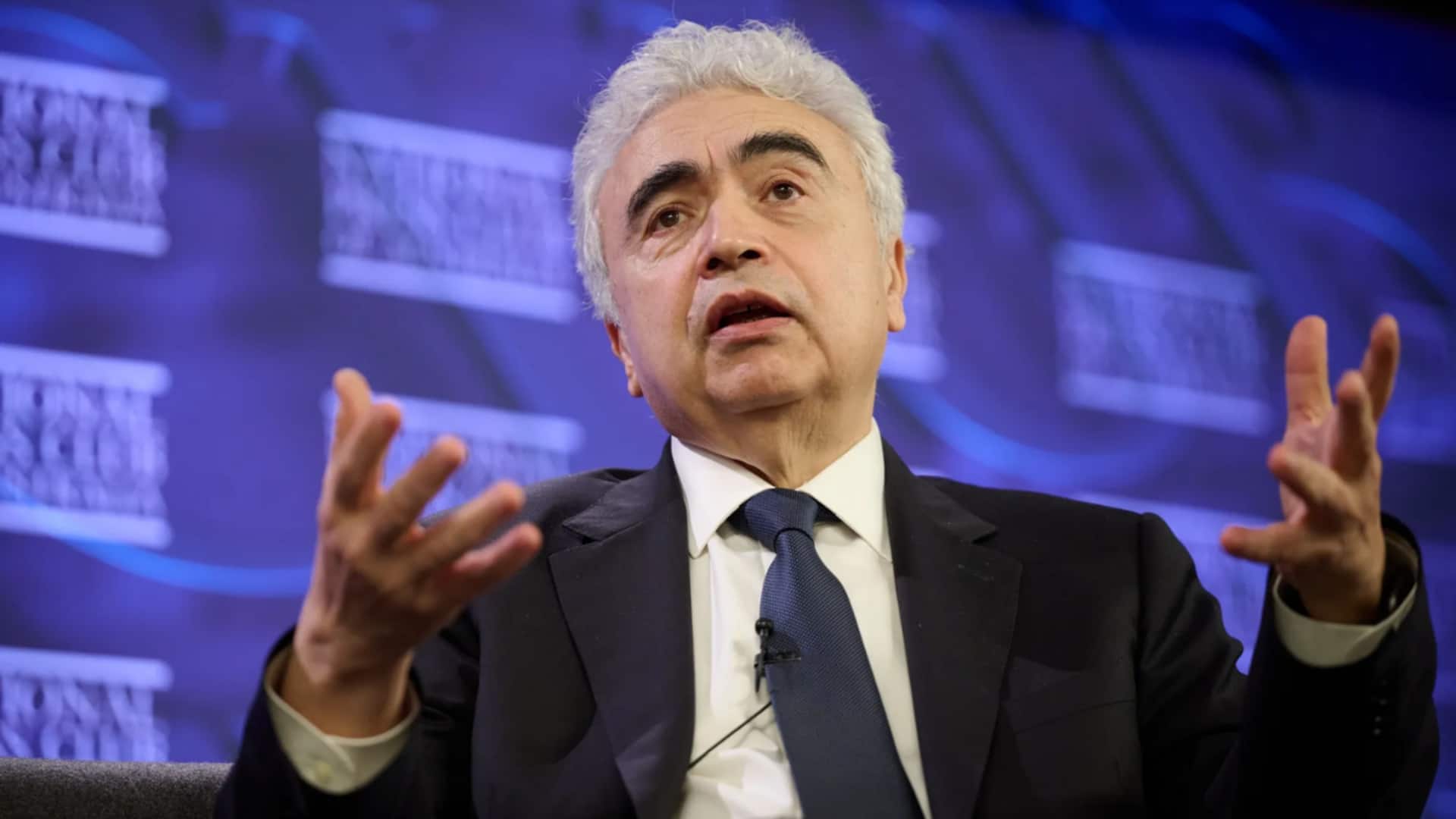
Hormuz closure could push oil markets into 'red zone': IEA
What's the story
The closure of the Strait of Hormuz since March 4, 2026, has triggered a global oil shortage and impacted stock markets worldwide. The International Energy Agency (IEA) chief Fatih Birol warned that the situation could worsen in the coming months due to disruptions related to the Iran conflict. He said global oil markets may enter a "red zone" by July-August as fresh Middle Eastern exports dwindle.
Supply crisis
Birol calls for unconditional reopening of Strait of Hormuz
Birol emphasized that only a "full and unconditional reopening" of the Strait of Hormuz could solve the crisis.
He said IEA member countries are willing to release more strategic oil reserves if needed.
The closure has taken around 14 million barrels of oil per day off the market, making this disruption worse than past crises such as those in 1973 and 1979.
Market impact
Extreme political consequences in Europe possible due to rising inflation
The IEA chief also warned that rising demand due to summer travel and industrial activity could further strain global oil stocks.
He cautioned that even if tensions ease, it could take months or a year for production and refining capacity in the Middle East to recover.
Birol also warned extremist parties in Europe could use rising inflation as an argument against existing political systems.
Economic fallout
Recovery no prospect for at least a year
Countries heavily reliant on oil revenues, such as Iraq, may struggle to reinvest in energy production due to financial losses from the crisis.
Birol said he saw no prospect of full oil production recovery for at least a year.
In India, Prime Minister Narendra Modi has asked government departments to look for alternative energy sources amid the ongoing disruption in West Asia.
Energy strategy
India looking at alternative energy sources amid ongoing crisis
PM Modi emphasized reducing India's dependence on imported petro products and fossil fuels while pushing for energy self-reliance.
The Centre is looking at solar power, green hydrogen, nuclear energy, ethanol blending and increasing domestic production as alternative fuel options.
Modi also asked departments to find ways to reduce unnecessary fuel consumption and warned that the prolonged West Asia conflict could impact inflation and trade routes.