US attorney for Air India crash victims flags compensation delays
What's the story
Mike Andrews, the lead United States attorney representing families of victims from the Air India AI171 crash, has raised serious concerns over delayed compensation and psychological trauma. "Every day is a struggle for them as they adjust to a 'new normal,'" Andrews said. He cited the case of a UK family who lost their breadwinner and had to relocate due to financial hardship, while three children had to drop out of school to support the household.
Investigation focus
Legal team investigates technical aspects of crash
Andrews said the legal team is investigating flight data and electrical systems with aviation experts.
They are looking into reported electrical flickering before the crash, possible emergency power activation, and deployment of Ram Air Turbine (RAT).
Concerns about possible water leaks in electronic equipment bays are also being investigated.
The Aircraft Accident Investigation Bureau (AAIB) may meet US National Transportation Safety Board officials in Washington, DC, indicating significant findings so far.
Compensation issues
Compensation delays and concerns over liability release
The legal team has been meeting with victims' families to address compensation delays and the return of personal belongings.
Only a few families have received the announced ₹1 crore interim compensation due to documentation and bureaucratic processes.
Andrews advised against signing documents releasing Boeing, GE, and others from future liability until the investigation is complete.
He emphasized that "compensation...can never equate to the value of a human life and that many families across different socio-economic backgrounds continue to struggle."
Recovery efforts
Personal belongings recovery process and airline's role
Andrews said identifiable items from the crash site may be returned sooner, while others may take longer. Airlines usually hire private agencies for the collection and return of such items.
He urged Air India to support the victims' families during the ongoing investigation.
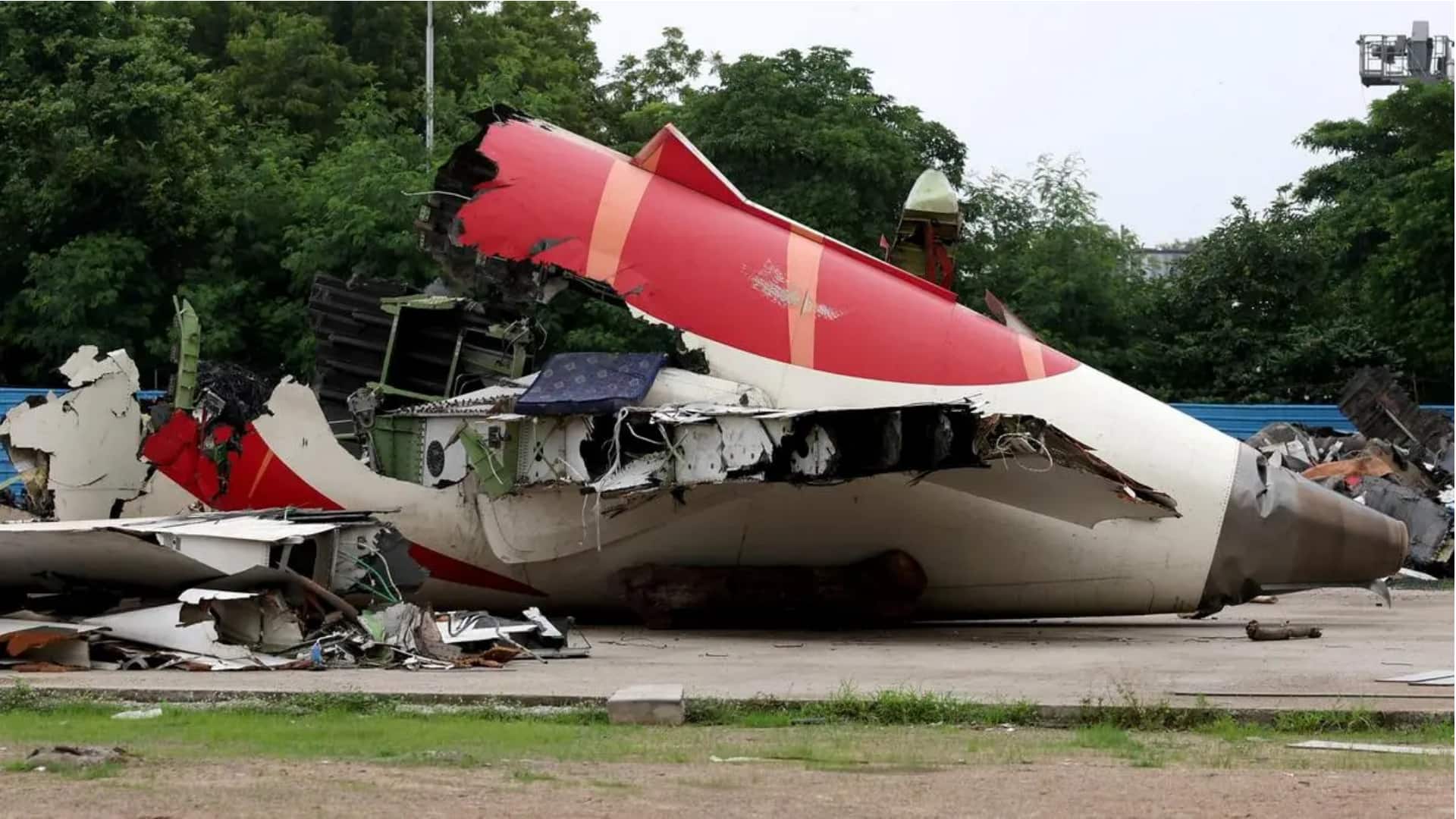
The AAIB's preliminary report detailed how both engines shut down during takeoff, causing a loss of thrust and rapid descent, one of India's deadliest aviation accidents in recent history.
The crash killed 260 people on June 12.