'Acts of bigotry': US Congressman condemns Bangladesh Hindu lynching
What's the story
The United States State Department has condemned the "horrific" lynching of a Hindu man in Bangladesh. The victim, 29-year-old garment worker Dipu Chandra Das, was killed by a mob on December 18, and his body was burned over blasphemy allegations in Mymensingh. A spokesperson for the department said, "The United States unequivocally condemns religious violence in all its forms, and we welcome measures the Bangladeshi Interim Government is taking to ensure the safety and security for all communities in Bangladesh."
Political response
Congressman Khanna calls for global condemnation of religious hatred
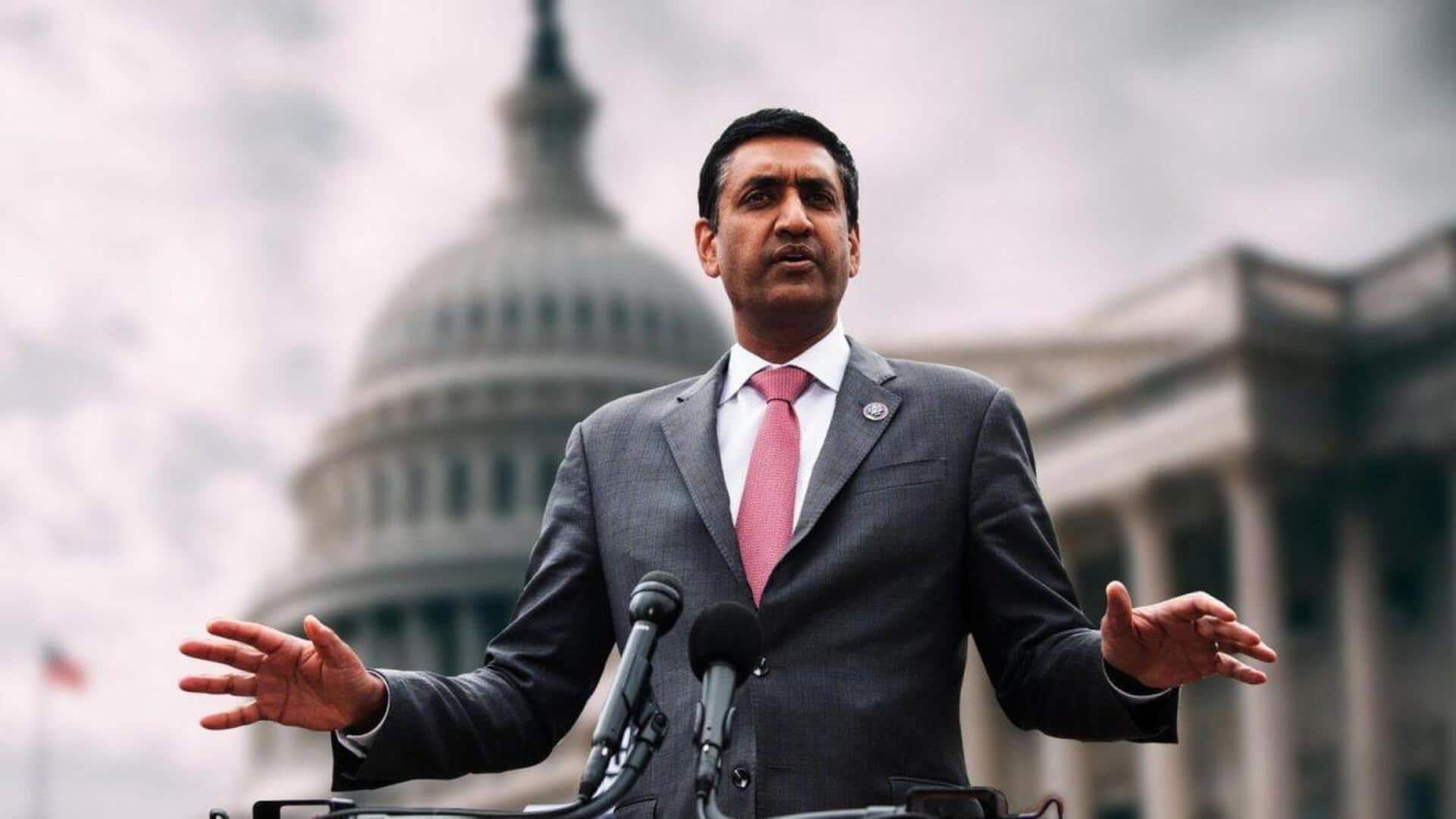
Congressman Ro Khanna also condemned Das's killing, calling it "horrific." He urged global voices to speak out against "these vile acts of hatred and bigotry."
The violence didn't stop with Das's death. A week later, another Hindu man, Amrit Mondal (alias Samrat), was killed by locals in Bangladesh's Rajbari district.
The Muhammad Yunus-led interim government condemned this killing but claimed there was no communal angle to the violence.
Global outrage
International protests erupt over religious violence in Bangladesh
The incidents have sparked protests across the world, particularly among Hindu communities.
In London, members of the Bengali Hindu Adarsha Sangha (BHAS) held a "Justice for Hindus" protest outside the Bangladeshi High Commission.
They condemned what they called "unethical arrest of interfaith voice Chinmaya Prabhu" and lynching of Dipu Das.
Protests were also held in Nepal's major cities such as Birgunj, Janakpurdham, and Golbazar.
Domestic unrest
Protests in India and Nepal demand protection for minorities
In India, protests were witnessed from Delhi to Kolkata, with groups like the Vishwa Hindu Parishad (VHP) and Bajrang Dal protesting outside Bangladeshi diplomatic missions.
In Nepal, protesters briefly blocked sections of the East-West Highway, demanding an end to killings of Hindus and protection for minorities.
The Ministry of External Affairs (MEA) acknowledged the "unremitting hostility against minorities" as a matter of grave concern but dismissed any strain in ties with Bangladesh.