US withdraws from key UN climate treaty, 65 other organizations
What's the story
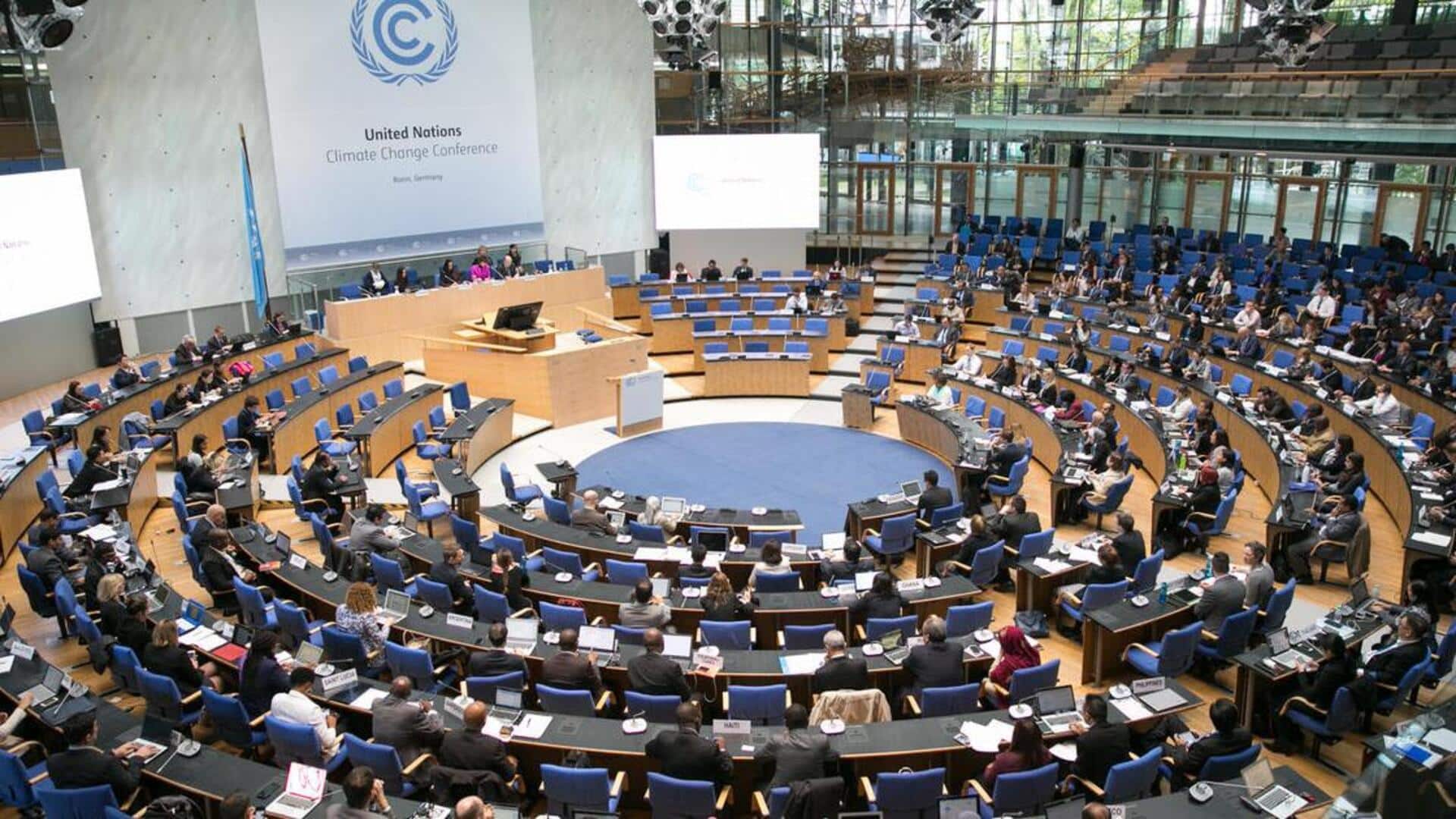
United States President Donald Trump has announced his decision to withdraw the US from the United Nations Framework Convention on Climate Change (UNFCCC). The move was announced in a presidential memorandum on Wednesday. Along with the UNFCCC, Trump also withdrew from 65 other international organizations, agencies, and commissions, which he termed "contrary to the interests of the United States."
Treaty importance
UNFCCC's significance and Trump's climate stance
The UNFCCC is a key international treaty aimed at tackling the climate crisis. It has been ratified by every country in the world since its inception 34 years ago, including the US Senate in October 1992.
However, Trump has been a vocal critic of climate science, calling it a "scam" and a "hoax."
The decision came after the US skipped the annual UN international climate summit for the first time last year in three decades.
Criticism voiced
Critics condemn Trump's decision to withdraw from UNFCCC
Gina McCarthy, a former climate adviser to President Joe Biden, slammed Trump's decision as "shortsighted, embarrassing and foolish." She said it undermines US climate leadership and global collaboration.
Manish Bapna of the Natural Resources Defense Council called it an "unforced error" that could hurt US competitiveness against China in clean energy technology industries.
Withdrawal details
White House memo outlines US withdrawal from various organizations
The White House memo also announced the US's exit from the Intergovernmental Panel on Climate Change and other international environmental organizations.
These include the International Renewable Energy Association, International Solar Alliance, and International Union for Conservation of Nature.
Last year, Trump had announced a similar decision regarding the Paris climate deal, in which countries agreed to limit dangerous global heating.
Legal questions
Legal uncertainties and ongoing reviews
Since the UNFCCC treaty was ratified by the Senate, it remains unclear if Trump can unilaterally withdraw from it or if a future president can rejoin without another Senate vote.
Marco Rubio, US Secretary of State, defended the decision, saying these agreements are "often dominated by progressive ideology and detached from national interests."
The State Department said additional reviews are ongoing.