Why Pakistan could be staring at water-shortage after March 31
What's the story
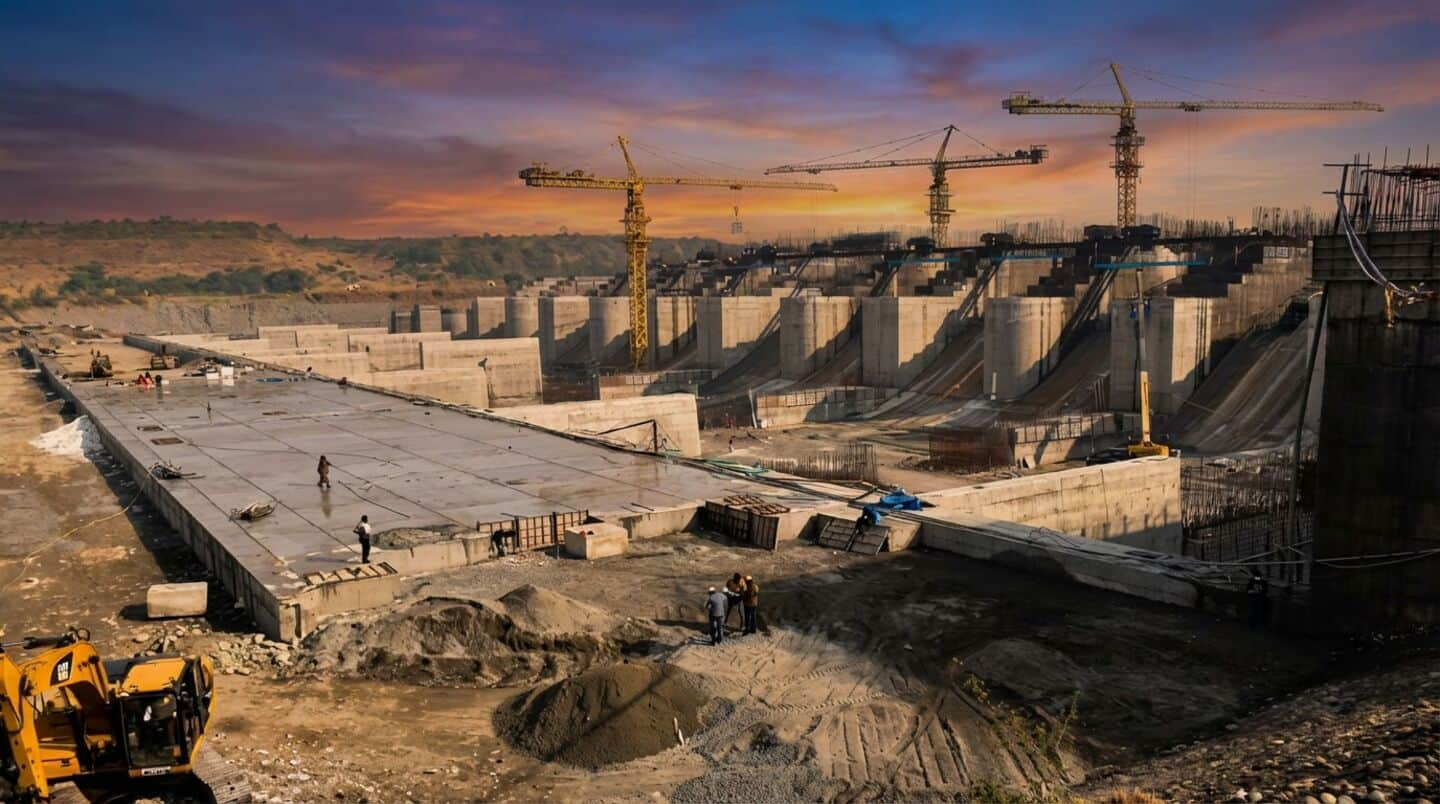
India will soon restrict the flow of the excess water from the Ravi River to Pakistan. This comes as the long-awaited Shahpur Kandi dam project nears completion by March 31. "Yes, excess water (from Ravi river) to Pakistan will be stopped. It has to be stopped," Jammu-Kashmir Minister Javed Ahmed Rana said on Monday. "Kathua and Samba districts are drought-hit areas; and this project, which is our priority, is being constructed for the Kandi area," he said.
Agricultural boost
Benefits for India
The dam, located on the Punjab-Jammu and Kashmir border, will stop surplus waters from flowing into Pakistan.
The project was first proposed in 1979 but construction was suspended because of internal conflicts between the Punjab and Jammu and Kashmir governments.
In 2008, the dam was proclaimed a national project.
The total cost of this project is ₹3,394.49 crore, with Punjab contributing ₹2,694.02 crore and the remainder being funded by the Government of India.
Dam
Dam benefits
The dam is 55.5 meters high and has a 7.7-kilometer-long hydroelectric channel.
It is expected to benefit India immensely.
The Punjab government estimates it will help irrigate 91,856 acres of farmland, especially through the Upper Bari Doab Canal in Punjab. It will also add agricultural land in Punjab and Jammu and Kashmir, generate 206 megawatts of electricity for India's power grid, and promote water sports across north India.
Water crisis
Pakistan's reliance on Ravi River
Pakistan's Lahore city heavily relies on the Ravi River for its groundwater supplies.
The river is also important for projects like the Ravi Urban Development Authority (RUDA), which aims to rejuvenate the river and develop urban areas along its banks.
If India stops all water from flowing into Pakistan, Lahore could face severe water shortages similar to Cape Town, South Africa.
Treaty suspension
Suspension of Indus Waters Treaty
The situation has been worsened by India's suspension of the Indus Waters Treaty with Pakistan after last year's Pahalgam terror attack.
The treaty, signed in 1960, allowed Pakistan control over the Indus, Jhelum and Chenab rivers, while India controlled the Ravi, Beas and Sutlej rivers.
Agriculture in Pakistan heavily depends on the Indus River System, which contributes to 25% of its GDP.
International concern
International concerns and legal action
Pakistan has called India's actions a "water war" and raised concerns internationally.
Islamabad has taken the issue to the Court of Arbitration in The Hague, alleging "weaponization of water."
However, India maintains its position that such actions are necessary for its own needs, with Prime Minister Narendra Modi asserting in September 2025, "blood and water cannot flow at the same time."