Why Mercedes, BMW, Volkswagen, and Porsche are struggling in China
What's the story
The fierce competition in China's auto market is taking a toll on German carmakers. The likes of Mercedes-Benz, BMW, Volkswagen, Porsche, and Audi are witnessing a drop in sales and profitability. This comes as homegrown brands such as Xiaomi and BYD make significant strides with consumers. The foreign automakers are now struggling to adjust their pricing strategies and keep up with rapid advancements in electric vehicle (EV) technology.
Strategy
Mercedes-Benz's innovative marketing campaign
To reclaim their luxury status and financial health, German carmakers are innovating at an accelerated pace.
Mercedes-Benz even partnered with fast-food chain McDonald's for a marketing campaign last fall.
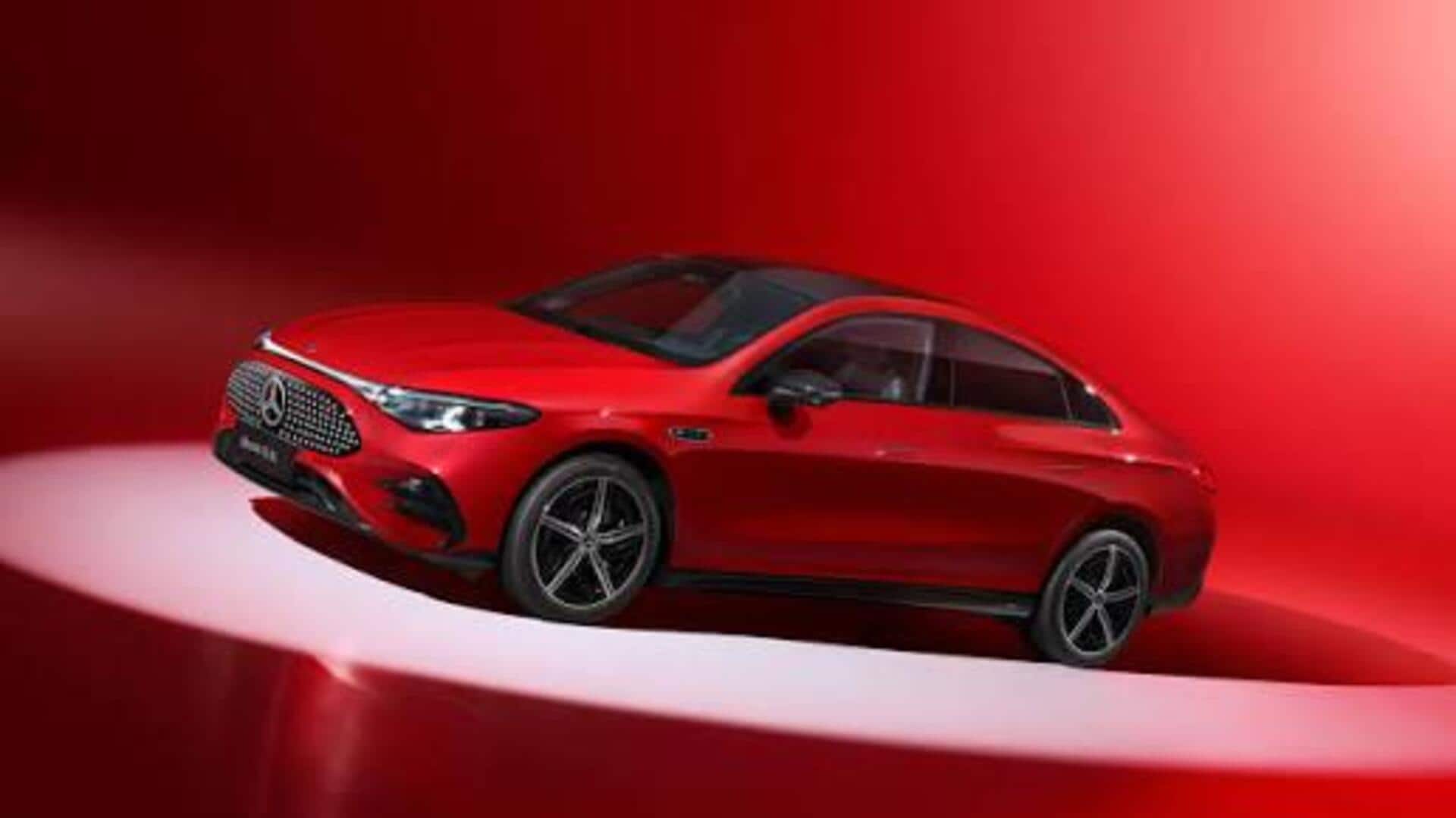
The "So Mc-Benz" campaign featured a cheeseburger figurine replacing the traditional three-pointed star on its all-electric CLA sedan.
However, despite these efforts, Mercedes sold only 1,153 units in China in the first half of this year.
Market challenges
BMW, Volkswagen, and Porsche also struggling in China
The dismal performance of Mercedes echoes the struggles of BMW, Volkswagen, and Porsche in China.
All three companies reported second-quarter sales declines of at least 30%, worse than the overall market's drop.
Meanwhile, homegrown brands like Xiaomi and BYD are stealing their customers away, depriving these German firms of a key growth and profit driver.
So far, none has found a way to stop this downward spiral.
Adaptation efforts
German carmakers partner with Chinese companies
In response to the fierce competition, most German carmakers have partnered with Chinese companies. This is to gain access to cutting-edge EV technology and better understand local drivers' preferences.
For instance, Mercedes built a long-wheelbase version of the CLA for Chinese tastes and packed it with software including AI-powered voice control.
The car was priced from just CNY 229,000 (around ₹32 lakh), roughly 40% cheaper than its European counterpart.
Financial impact
Competing will require further price cuts from Mercedes
Despite these efforts, German carmakers are still struggling to compete in China.
Mercedes has even admitted that competing in the country will require further price cuts that would see it lose money on almost every electric CLA sold.
The company is now limiting its push for the car until economic conditions improve.
Meanwhile, Chinese manufacturers like BYD are willing to endure significant pain to win market share.
Pricing issues
JPMorgan analyst on German carmakers' situation in China
JPMorgan analyst Jose Asumendi says a large part of German carmakers' offerings are simply priced out of China.
This is because their lineups tend to be pricier and feature more combustion-engine cars, a segment that's on the decline.
BMW has even slashed its margin outlook due to the slump in China, putting it on course to be the least profitable major European automaker this year.