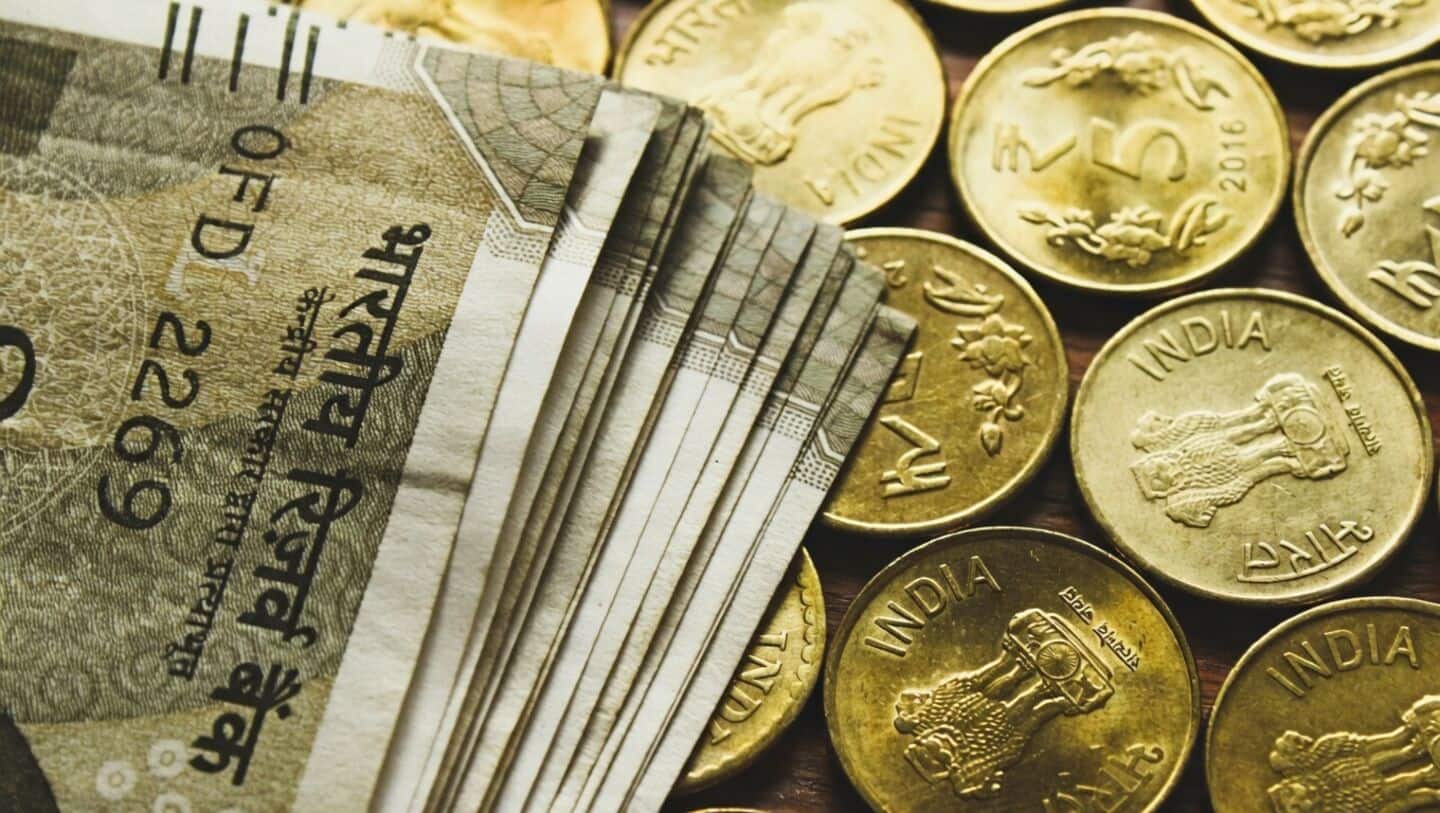
Indian rupee opens stronger at 93 per US dollar
What's the story
The Indian rupee opened stronger at 93 per US dollar today, gaining 10 paise from Thursday's close of 93.10. The currency's strength is largely attributed to the Reserve Bank of India (RBI)'s recent measures aimed at stabilizing the currency and curbing arbitrage between onshore and non-deliverable forward (NDF) markets. Last week, the rupee had its biggest weekly gain in over four years, rising by 1.8%. At the time of writing, the rupee stands at 93.06 against the US dollar.
Market response
RBI's position limit measures support rupee
The RBI's introduction of position limits for banks and corporates has prompted these financial institutions to adjust their positions and sell dollars in the domestic market.
Banks have been given time until April 10 to align their exposures with these new limits.
A currency trader at a bank said, "This should continue to lend support to the rupee through the week."
Regulatory changes
Tightened rules on speculative activity by corporates
Along with position limits, the RBI has also tightened rules on speculative activity by corporates. It has also barred banks from offering NDF contracts to clients.
These measures are part of the central bank's efforts to stabilize the currency and curb arbitrage between the onshore and non-deliverable forward (NDF) markets.
Market challenges
Rising crude oil prices may limit further gains
Despite the RBI's measures, external factors such as rising crude oil prices and persistent foreign fund outflows could limit the rupee's further appreciation.
Oil prices rose today amid fears of supply disruptions due to geopolitical tensions in West Asia, including risks to shipping routes.
Higher oil prices usually put pressure on the rupee by increasing India's import bill.
Investor behavior
Foreign fund outflows weigh on rupee
Foreign investors have been pulling back from Indian equities due to concerns over the economic impact of high energy costs.
Data showed outflows of nearly $1 billion on Thursday, after withdrawals of more than $12.5 billion in March.
Market participants believe that while regulatory measures may provide near-term support for the rupee, its medium-term trajectory will be influenced by global factors such as oil prices and capital flows.