Trump proposes 10% cap on credit card interest rates
What's the story
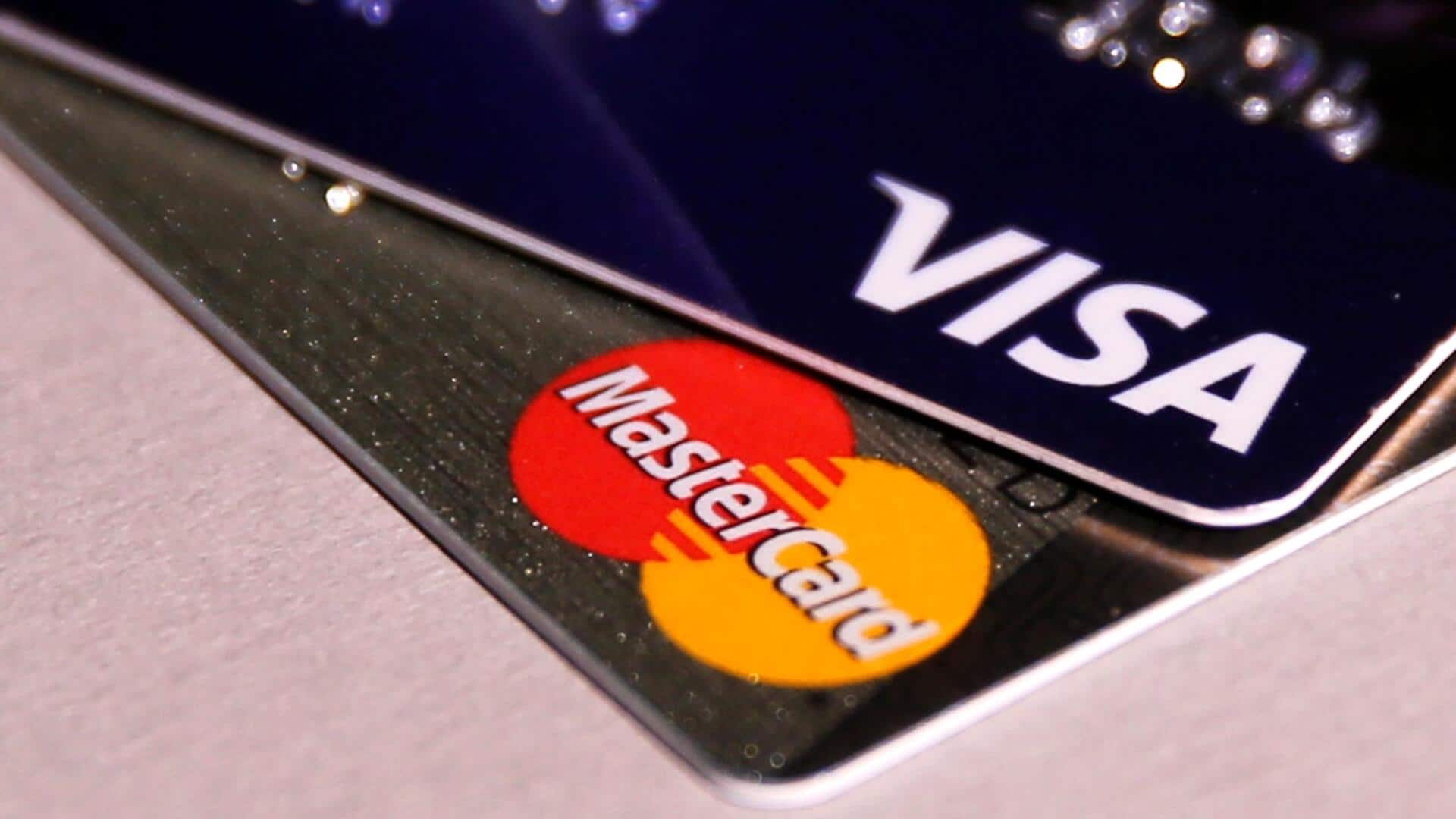
US President Donald Trump has proposed a one-year cap of 10% on credit card interest rates. He made the announcement in a post on Truth Social, claiming that the American public is being "ripped off." The cap would come into effect from January 20, marking the first anniversary of Trump's return to the White House. However, he did not clarify how this cap would be implemented or if he was seeking voluntary compliance from credit card companies or government action to enforce his proposal.
Political context
Trump's proposal amid rising affordability concerns
Trump's call for a cap comes as the cost-of-living issue continues to frustrate many Americans and haunt Republicans. The President blamed his predecessor, Joe Biden, for high credit card rates.
Industry response
Banking industry warns against Trump's proposal
The banking industry has warned that Trump's proposal could hurt consumers and small businesses.
Major financial institutions like the Bank Policy Institute, American Bankers Association, Consumer Bankers Association, Financial Services Forum, and Independent Community Bankers of America issued a joint statement highlighting the potential negative impacts.
They said while they share Trump's goal of making credit more affordable for Americans, the evidence shows a 10% interest rate cap could limit credit availability and harm millions who depend on credit cards.
Economic impact
Potential consequences of capping credit card interest rates
Capping credit card interest rates could have unintended consequences, such as stricter lending requirements and reduced access to credit for low-income individuals or those with poor credit scores.
This could worsen the US economy, where wealth inequality has increased.
While affluent Americans have benefited from stock market gains and rising home prices, lower-income groups have struggled with higher costs, debt burdens, and a slowing job market.
Policy updates
Recent populist economic announcements
Trump's credit card announcement comes after a series of populist economic announcements aimed at convincing Americans that he is making progress on affordability issues. These include ordering representatives to buy mortgage bonds to lower home costs and banning institutional investors from buying single-family homes.