US companies chase billions in refunds from now-invalid Trump tariffs
What's the story
After a landmark Supreme Court ruling, US businesses are racing to claim billions in refunds from now-invalid tariffs. The refunds could ease financial strains for companies and help temper inflation rates, ultimately benefiting consumers. However, the process is complicated by political and legal risks, including pressure from President Trump and potential consumer lawsuits.
Cautious approach
The refund process
A Bloomberg analysis of firms in the Russell 3000 Index found that only about 5% of the 3,000 largest publicly traded US companies have mentioned refunds in relation to Trump's now-illegal tariffs.
The Customs and Border Protection agency opened a refund portal on April 20 for over 330,000 companies that paid import taxes under Trump's use of the International Emergency Economic Powers Act (IEEPA).
Risks involved
Trump's response to the refunds
The refund process is fraught with political and legal risks.
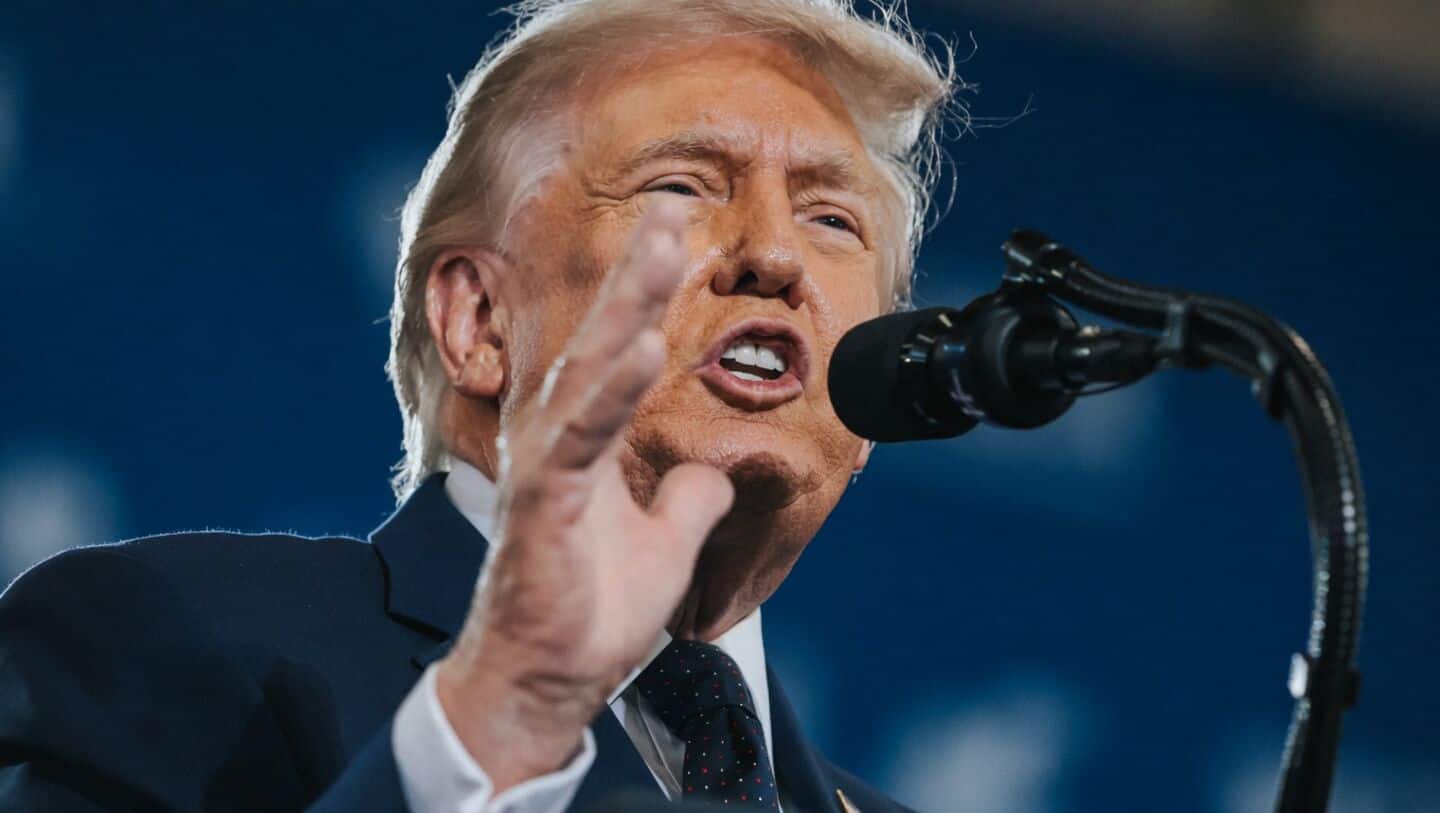
Trump has often claimed that it's foreign firms who pay his import taxes, a claim studies have debunked.
Now, he's painting refund backers as unpatriotic after the Supreme Court struck down his IEEPA authority.
Recently, some of America's biggest companies, like Cardinal Health Inc., Walmart Inc., have disclosed their involvement in the refund process, challenging Trump's narrative.
Refund distribution
The logistics of the refund process
US Customs now has the complex task of refunding the 330,000 importers who paid IEEPA levies over the past year.
Early filers are already seeing $35.5 billion flowing into their bank accounts.
However, issues with electronic filings due to the chaotic tariff rollout can lead to rejections, and many importers are skeptical about its efficacy for more complex entries.
Legal hurdles
Lawsuits from consumers
Companies like Nike Inc., Lululemon Athletica Inc., and Amazon.com Inc. have recently been hit by lawsuits from customers claiming they're owed a refund for paying higher prices due to now-declared unlawful tariffs.
A lawsuit filed on May 15 accused Amazon of profiting off "hundreds of millions of dollars in unlawful tariff costs" and not pursuing refunds to "ingratiate itself with Trump."
Potential benefits
Corporate responses to the tariffs
Despite the legal hurdles and political risks, many of America's largest corporations are pursuing refunds.
Apple Inc. is one of the biggest companies to confirm its pursuit of refunds.
CEO Tim Cook said they're "following the established processes, and we plan to reinvest any amount we receive back into US innovation and advanced manufacturing."