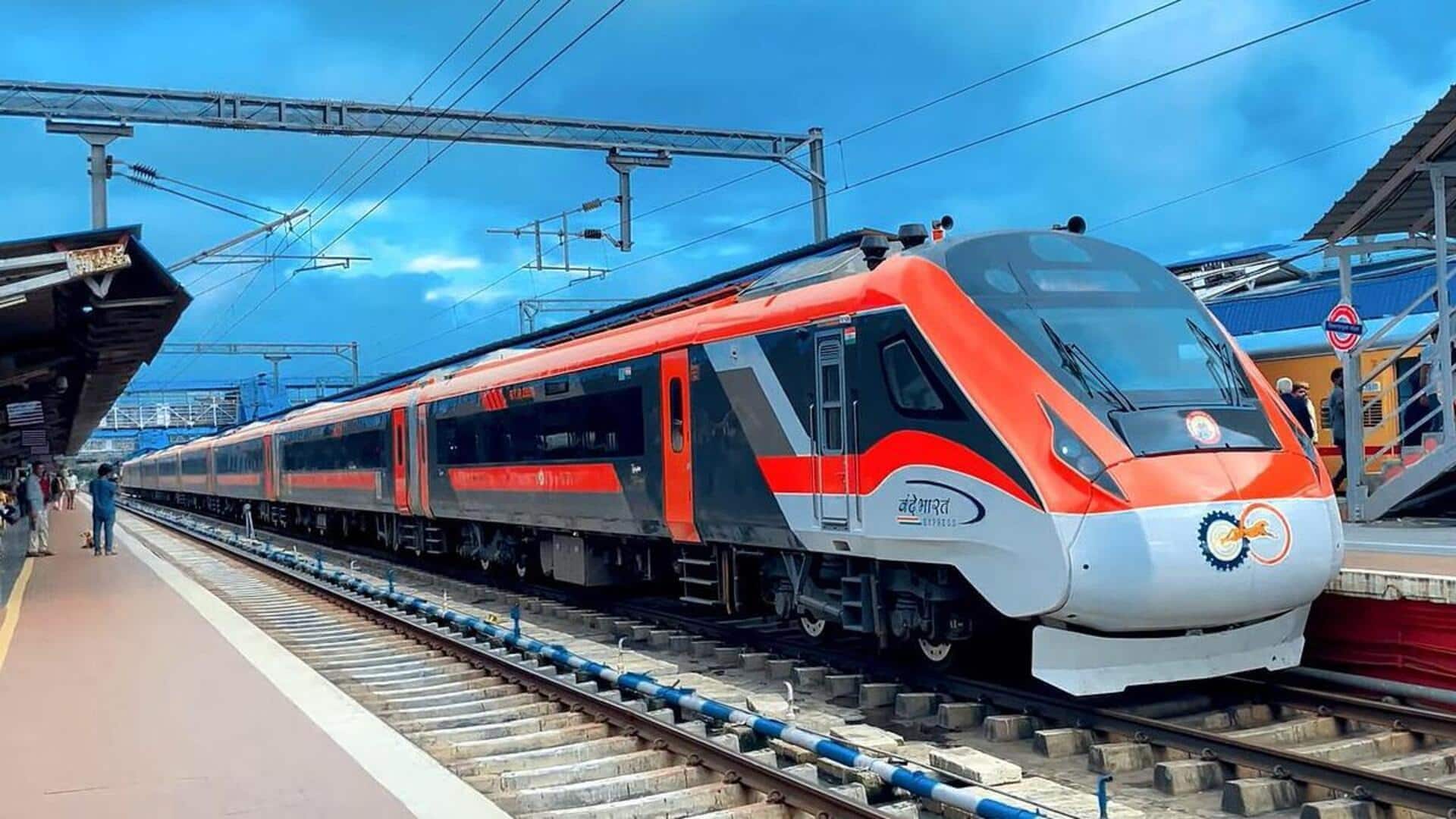
Traveling from India to Russia via train might become reality
What's the story
Russia is exploring a new overland railway route to connect with India. The proposed railway could provide an alternative access point to the Indian Ocean, Russian Deputy Prime Minister Marat Khusnullin has said. He stressed that Moscow should consider every viable option for improving access to India. The idea comes in the wake of recent discussions between India and Russia on enhancing cooperation in various sectors, including railway transport.
Route details
Route could go through Turkmenistan, Iran, Afghanistan, and Pakistan
The proposed railway route could go through Turkmenistan, Iran, Afghanistan, and Pakistan before reaching India.
Khusnullin said that any option providing access to India is acceptable.
However, he also stressed that this idea is still in its infancy and no confirmed railway route or announcement about passenger trains has been made yet.
Strategic significance
Alternative transport route
The proposed railway route could give Russia an alternative way to transport goods toward the Indian Ocean without depending entirely on key sea routes.
This comes amid concerns over disruptions in major international shipping lanes, especially the Strait of Hormuz, a strategically important energy chokepoint carrying a significant share of global oil and LNG shipments.
Current connectivity
Russia's international rail network
Russia already has a well-established international railway network, with 40 long-distance routes connecting with 19 countries across Europe and Asia.
These include China, Mongolia, North Korea, Kazakhstan, Kyrgyzstan, and Uzbekistan, among others.
The proposed Indian Ocean rail link would fit into Moscow's broader efforts to strengthen alternative international transport corridors, amid geopolitical tensions reshaping global trade routes.