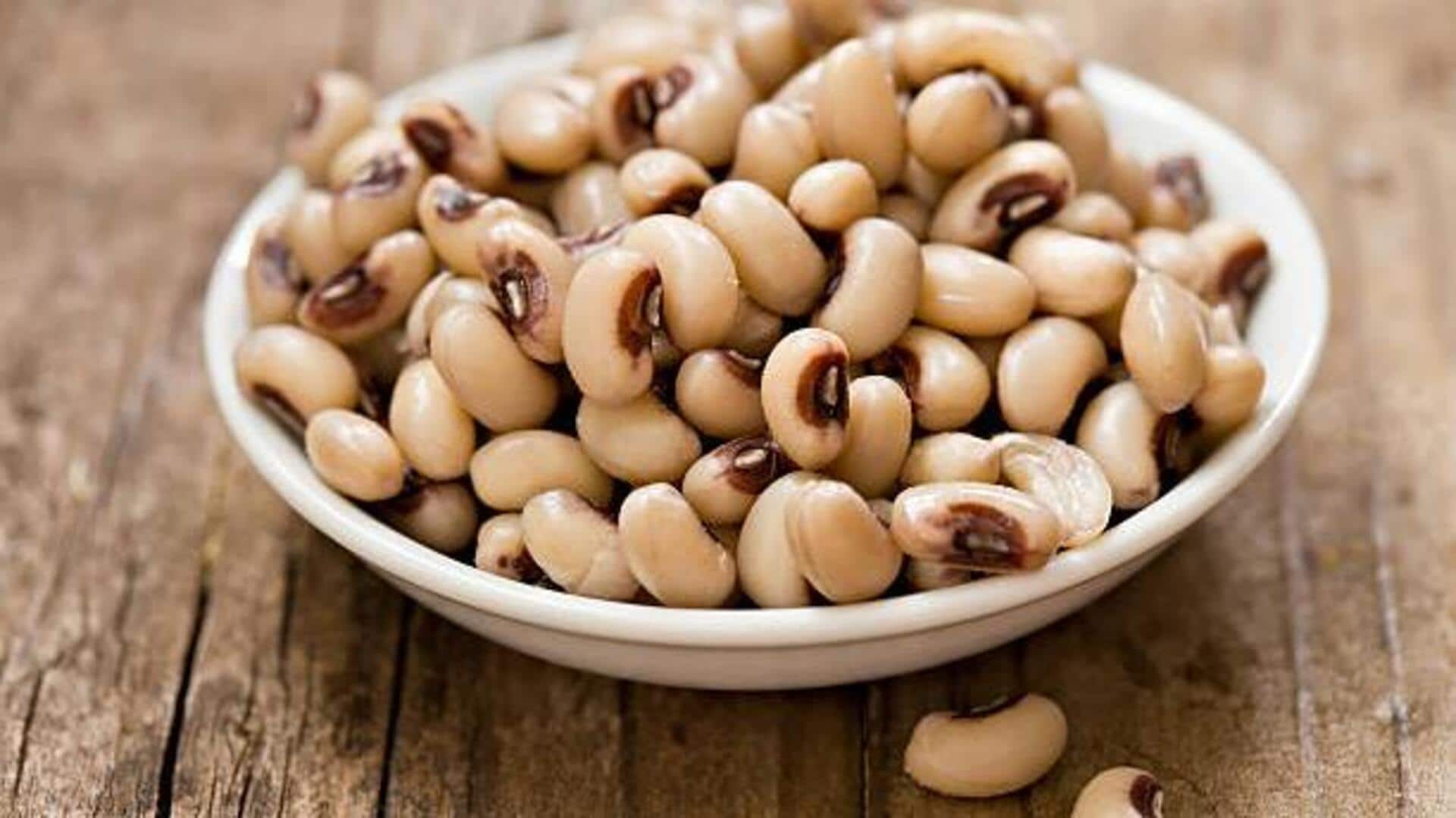
Why you should start eating black-eyed peas
What's the story
African black-eyed peas are a staple in many African cuisines and are gaining popularity for their health benefits. These legumes are rich in nutrients that promote heart health. Including them in your diet can be an easy way to improve cardiovascular well-being. Here, we explore the nutritional profile of African black-eyed peas and how they can benefit your heart.
#1
Rich source of fiber
African black-eyed peas are loaded with dietary fiber, which is essential for a healthy heart. Fiber helps lower cholesterol levels by binding to cholesterol molecules and removing them from the body. This reduces the risk of heart disease and stroke. Eating fiber-rich foods, like black-eyed peas, can also help with digestion and maintain a healthy weight.
#2
Packed with antioxidants
Antioxidants are essential for fighting oxidative stress, which can damage cells and lead to heart problems. African black-eyed peas are rich in antioxidants, like flavonoids and phenolic compounds, that protect the body from free radicals. By adding these peas to your diet, you can boost your body's defense against oxidative damage and promote better cardiovascular health.
#3
Low glycemic index benefits
The glycemic index (GI) measures how quickly foods raise blood sugar levels. African black-eyed peas have a low GI, which means they release glucose slowly into the bloodstream. This helps maintain stable blood sugar levels, reducing the risk of developing type 2 diabetes, a condition closely linked to cardiovascular diseases.
#4
High protein content
Protein is essential for repairing tissues and building muscles, but it also plays a role in keeping your heart healthy by regulating blood pressure and supporting overall cardiovascular function. African black-eyed peas are a great source of plant-based protein, making them an excellent choice for vegetarians looking to boost their protein intake without consuming animal products.