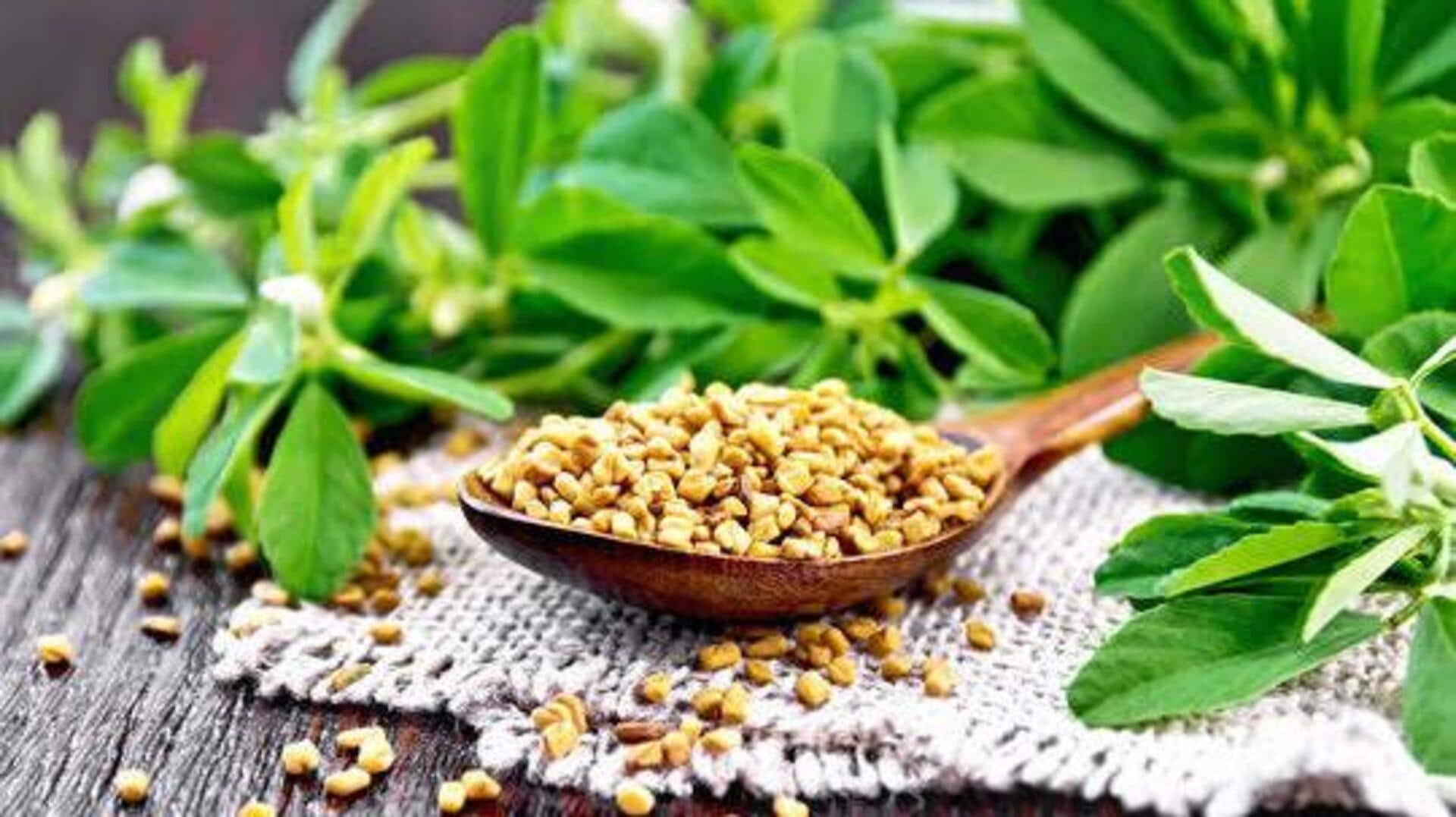
How Africans have used fenugreek for centuries
What's the story
Fenugreek seeds have been a part of African traditions for centuries, serving various purposes in different cultures. The seeds are revered for their medicinal properties and culinary applications. From enhancing health to adding flavor to dishes, fenugreek seeds have become an integral part of many African households. Here are five traditional uses of fenugreek seeds across Africa, highlighting their cultural significance and versatility.
Health benefits
Medicinal uses in traditional medicine
In many African communities, fenugreek seeds are used as a natural remedy for several ailments.
They are believed to help with digestion, reduce inflammation, and regulate blood sugar levels.
The seeds are usually boiled or ground into a paste, and applied topically or consumed as a tea.
This practice reflects the traditional knowledge of herbal medicine passed down through generations.
Flavor enhancer
Culinary applications in everyday cooking
Fenugreek seeds are also used as a spice in various African cuisines. They add a unique flavor to dishes such as stews and curries.
The seeds can be roasted before use to enhance their aroma and taste.
In some regions, fenugreek leaves are also used fresh or dried in cooking, further showcasing the plant's versatility in enhancing flavors.
Farming techniques
Agricultural practices and crop rotation
In agriculture, fenugreek is used as a cover crop to improve soil fertility through nitrogen fixation.
Farmers rotate fenugreek with other crops to maintain soil health and increase yield.
This practice not only benefits the environment but also supports sustainable farming methods prevalent in several African regions.
Cultural significance
Ritualistic uses in cultural ceremonies
Fenugreek seeds also hold symbolic value in several cultural ceremonies across Africa.
They are often used in rituals or as offerings due to their association with prosperity and health.
The presence of these seeds during ceremonies reflects the deep-rooted traditions that continue to be observed today.
Market impact
Economic value through trade
The trade of fenugreek seeds also contributes to local economies across Africa.
Farmers grow them not only for personal use but also for sale at local markets or exportation abroad.
The demand for these seeds continues to grow due to their health benefits and culinary popularity, making them an important economic crop.