Tracing the history of samosa in India
What's the story
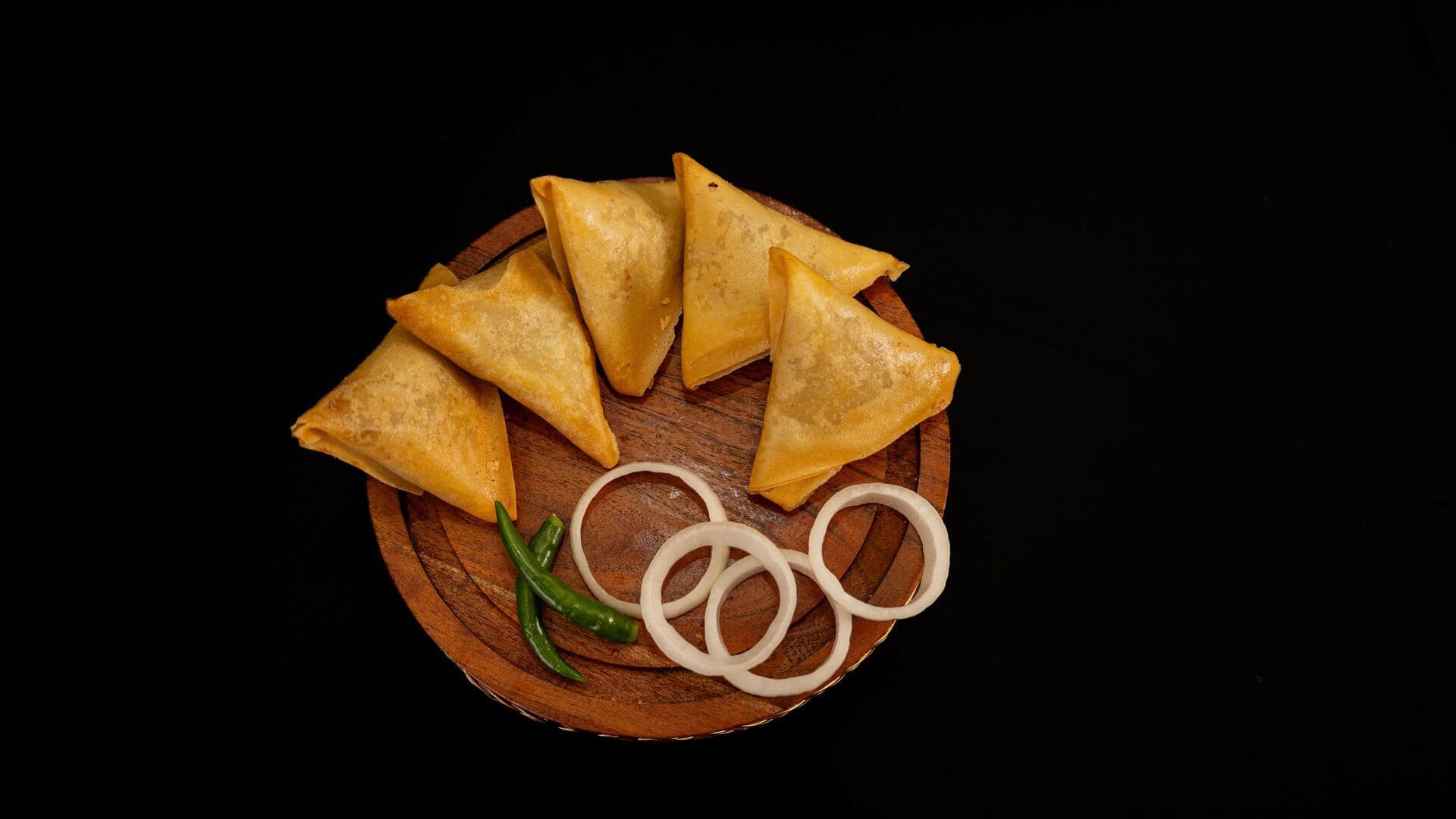
The samosa, a beloved snack in India, has a rich history that dates back centuries. This triangular pastry filled with spiced potatoes and peas has evolved into various regional versions across the country. Its journey reflects the cultural and culinary influences that have shaped Indian cuisine over time. From its origins to becoming a staple at street stalls and festive occasions, the samosa's history is as diverse as India's own.
#1
Origins of the samosa
The samosa is believed to have originated in the Middle East before making its way to India via trade routes.
Historical records suggest it was introduced by traders who brought along their culinary traditions.
The earliest mention of the samosa in India dates back to the 13th century when it was known as sambusak.
Over time, it adapted to local tastes and ingredients, becoming an integral part of Indian cuisine.
#2
Regional variations across India
As the samosa traveled across India, it took on different regional flavors and fillings.
In North India, it is usually stuffed with spiced potatoes and peas, while in South India, you may find variations with lentils or other local vegetables.
Each region has added its own twist to this classic snack, making it a versatile dish that caters to diverse palates.
#3
The samosa's role in festivals
In India, samosas are a must-have during festivals and celebrations.
Their presence at weddings, Diwali parties, and family gatherings is a testament to their popularity.
This snack is not just a treat but a symbol of hospitality and joy.
The festive spirit is incomplete without samosas, making them a beloved part of Indian culinary traditions.
#4
Modern adaptations and global appeal
In recent years, the humble samosa has undergone modern adaptations with innovative fillings like cheese or chocolate for adventurous eaters.
These variations have made their way into cafes and restaurants across the world, showcasing the global appeal of this traditional snack.
The samosa's adaptability continues to win over new audiences, while still paying homage to its rich history.