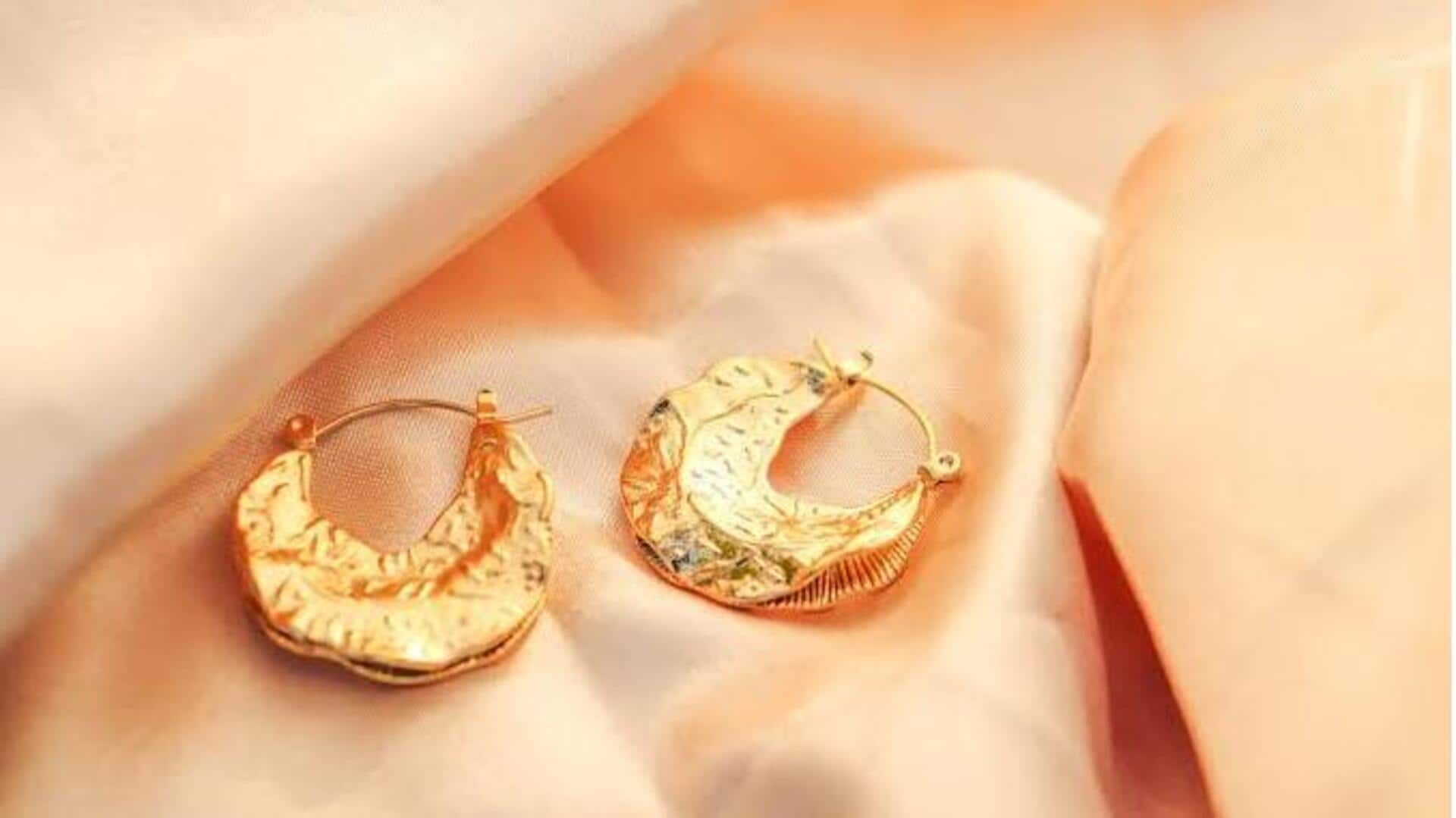
Fulani jewelry: An iconic craft from West Africa
What's the story
Fulani jewelry, a traditional art form from West Africa, is making waves in the fashion industry. Famous for its intricate designs and cultural significance, this jewelry is now being adapted into modern accessories. The revival of Fulani jewelry not only celebrates cultural heritage but also offers unique fashion statements. Designers are creatively incorporating these elements into contemporary pieces, appealing to a global audience seeking authenticity and style.
#1
Cultural significance of Fulani jewelry
Fulani jewelry has deep cultural roots, often worn during important ceremonies and events.
The pieces are characterized by their geometric patterns and use of materials such as silver and beads.
Each design carries symbolic meanings, representing identity, status, and community ties.
The revival of this art form in modern fashion highlights the importance of preserving cultural heritage while adapting it for today's market.
#2
Modern interpretations in fashion
Today's designers are blending traditional Fulani designs with modern aesthetics to create unique accessories.
Necklaces with bold geometric shapes, or earrings with intricate beadwork, are just some examples of how these elements are being used.
By marrying the old with the new, designers give consumers a chance to wear something that is not just fashionable but also rich in history.
#3
Sustainable practices in production
The revival of Fulani jewelry also emphasizes sustainable production practices.
Many artisans focus on using locally sourced materials to reduce environmental impact.
This approach not only supports local economies but also aligns with the growing demand for eco-friendly products in the fashion industry.
Consumers are increasingly looking for items that contribute positively to the environment, making sustainability a key factor in accessory design.
#4
Global appeal and market growth
The global appeal of Fulani jewelry has led to an increase in demand for these traditional pieces, reimagined as modern accessories.
Online platforms have made it easier for artisans to reach international customers who appreciate unique cultural items.
As interest grows, so does market potential, providing opportunities for both established brands and emerging designers to explore this niche further.