How to master woodblock printing
What's the story
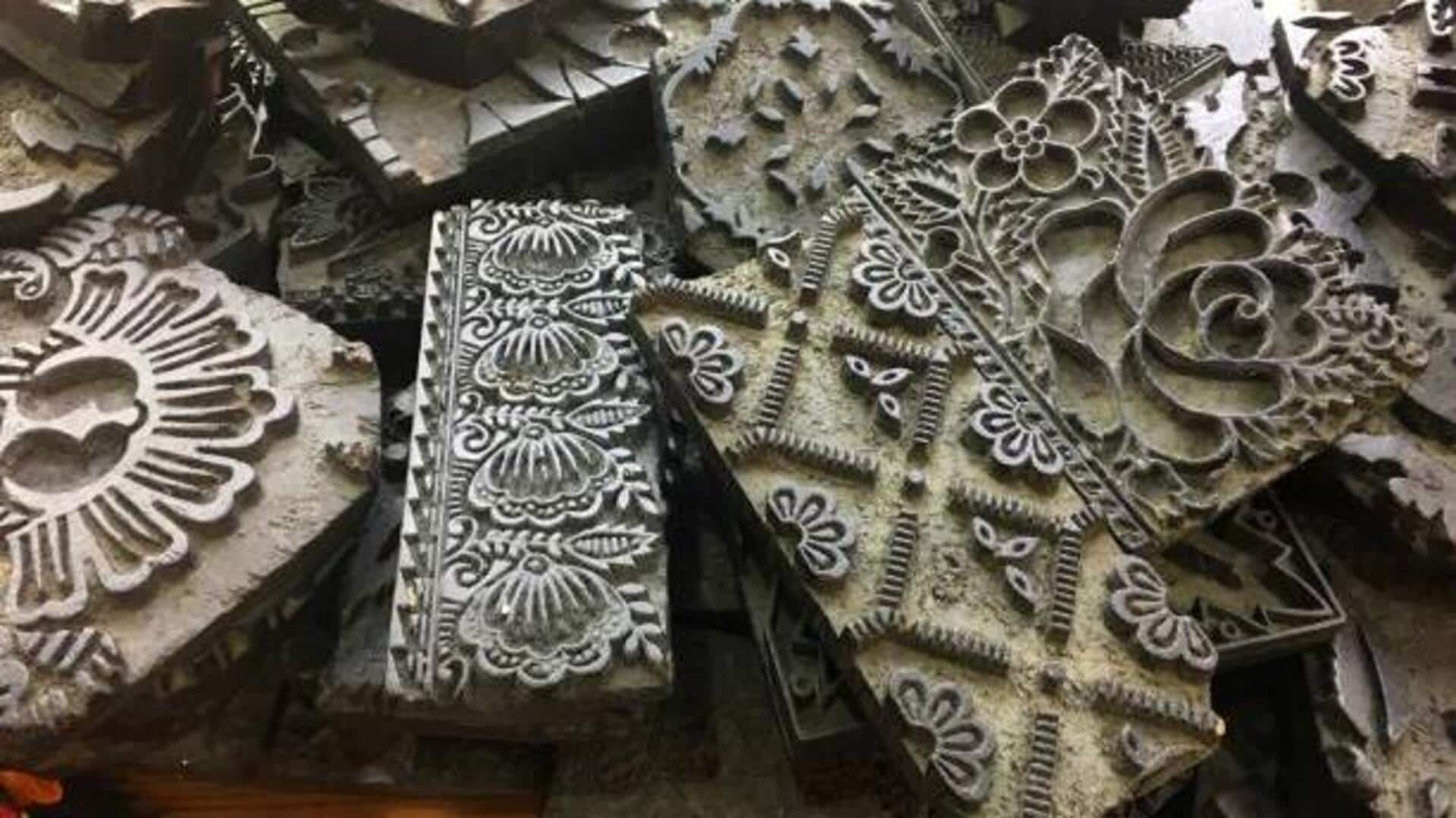
African woodblock printing is an ancient art form used for centuries to create beautiful textiles. The technique involves carving designs into a block of wood, inking it, and pressing it onto fabric. This method is not only cost-effective but also eco-friendly, making it a popular choice among artisans. Here are five budget-friendly tips to help you master this traditional craft.
Tip 1
Choose affordable materials
Selecting the right materials is key to keeping costs low in woodblock printing.
Look for locally sourced wood that is inexpensive, yet durable.
For fabric, cotton or linen are great choices, as they are usually cheaper than silk or other high-end fabrics.
Using natural dyes from plants can also cut costs while giving vibrant colors to your prints.
Tip 2
Use simple designs
Starting with simple designs can save you time and money. Intricate patterns take longer to carve and require more resources.
Basic geometric shapes or motifs inspired by nature can be just as effective and visually appealing, without the added complexity.
As you gain confidence, you can gradually experiment with more detailed work.
Tip 3
Reuse blocks and fabrics
One of the biggest advantages of woodblock printing is that you can reuse blocks and fabrics.
Instead of carving new blocks for every print, use the same block multiple times until it wears out.
Similarly, leftover fabric pieces from previous projects can be repurposed for new prints, minimizing waste and saving money.
Tip 4
Learn from online resources
There are a ton of free online resources, including tutorials and videos, that can help you learn woodblock printing techniques from the comfort of your home.
These resources are a great way to learn new skills without spending a lot on workshops or classes.
They provide step-by-step instructions that can help you improve your craft at your own pace.
Tip 5
Collaborate with other artisans
Collaborating with other artisans can open up new opportunities for learning and sharing resources.
By partnering up, you can split costs on materials like ink or dye supplies, which reduces individual expenses significantly.
Plus, working together often leads to creative exchanges that enhance the quality of your work, while keeping things affordable.