'Doomsday narratives': Jensen Huang denies AI will kill us all
What's the story
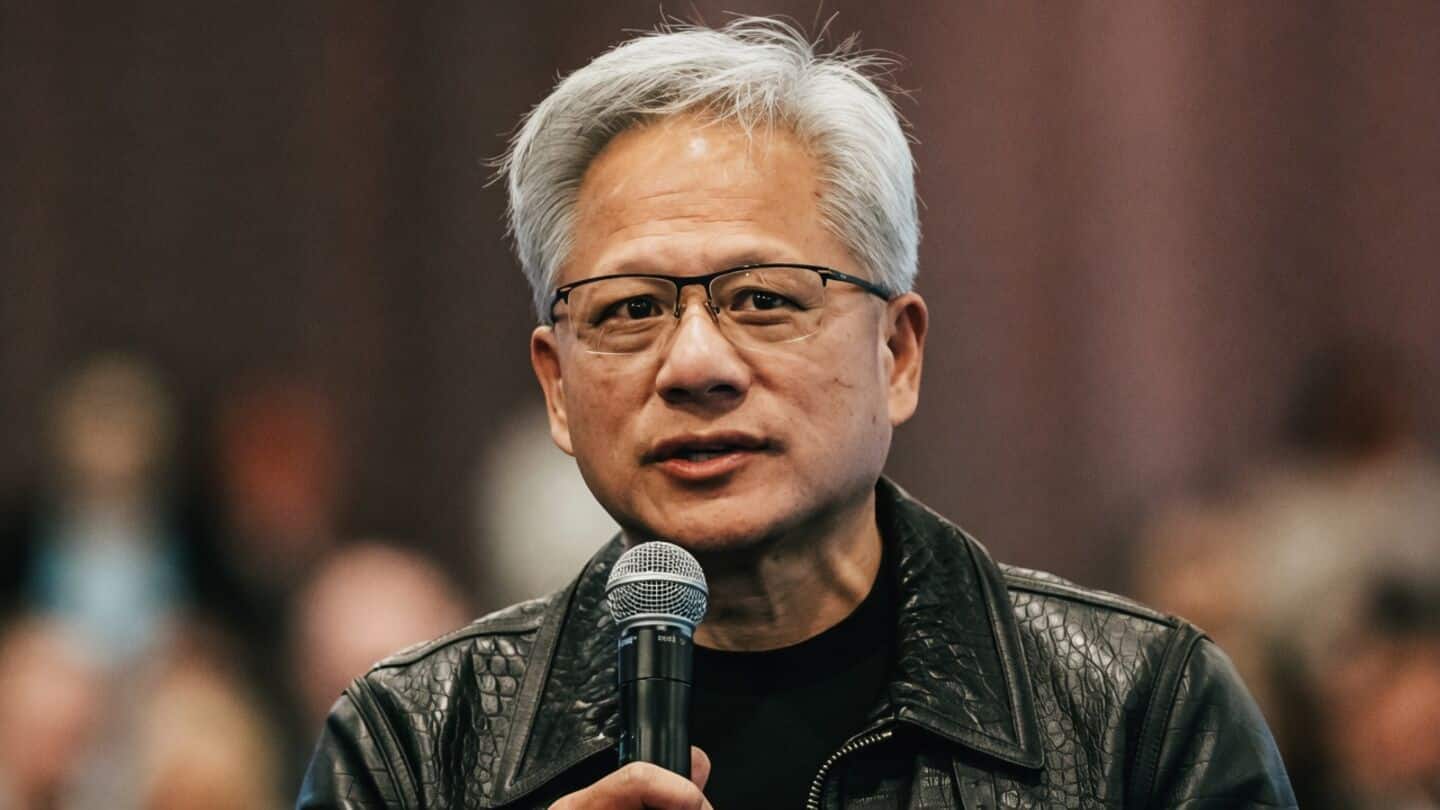
NVIDIA CEO Jensen Huang has dismissed fears that artificial intelligence (AI) could lead to humanity's extinction by the end of this decade. In a recent interview with CBS News, Huang said such predictions are "doomsday narratives" and there is a "0% chance" that 2030 will be the end of the world. He stressed that scaring people about AI is unnecessary and irresponsible.
Industry responsibility
Comments come after former Anthropic researcher's alarming post
Huang stressed that it is in NVIDIA's best interest to make sure the industry builds its goods responsibly.
He said, "Our company's success is directly connected to the safe deployment of products and services."
The comments come after former Anthropic researcher Jacob Coxon claimed on social media that AI developers think the technology "could kill us all by the end of the decade."
Skepticism
Huang questions motives behind calls for AI development slowdown
Huang also questioned the motives behind calls from some AI firms for a "slow down" in development.
He suggested they could be seeking liability protections for any potential harm their products may cause.
"Go and read between the lines," he said, adding that these firms aren't really asking for more laws but are looking to be relieved of existing ones.
Industry consensus
Skepticism reflects divide within tech community over AI risks
Huang's views are in line with those of several other AI industry professionals who have worked for companies like OpenAI, Meta, and DeepMind.
They too were skeptical about the idea that unchecked AI development could lead to tools capable of killing people en masse.
This skepticism highlights a divide within the tech community over the potential risks posed by advanced artificial intelligence systems.
Regulatory discussions
US and China discuss establishing AI safety notification mechanism
NVIDIA, a major player in the AI industry, makes advanced computer chips essential for creating AI models.
However, its most powerful chips are restricted in China due to US export controls.
These restrictions are meant to slow down China's military and AI development while promoting domestic technology reliance.
US Treasury Secretary Scott Bessent and Chinese Vice Premier He Lifeng recently discussed establishing an AI safety notification mechanism amid these regulatory challenges.