Antarctica's winter sea ice at its third-lowest level ever
What's the story
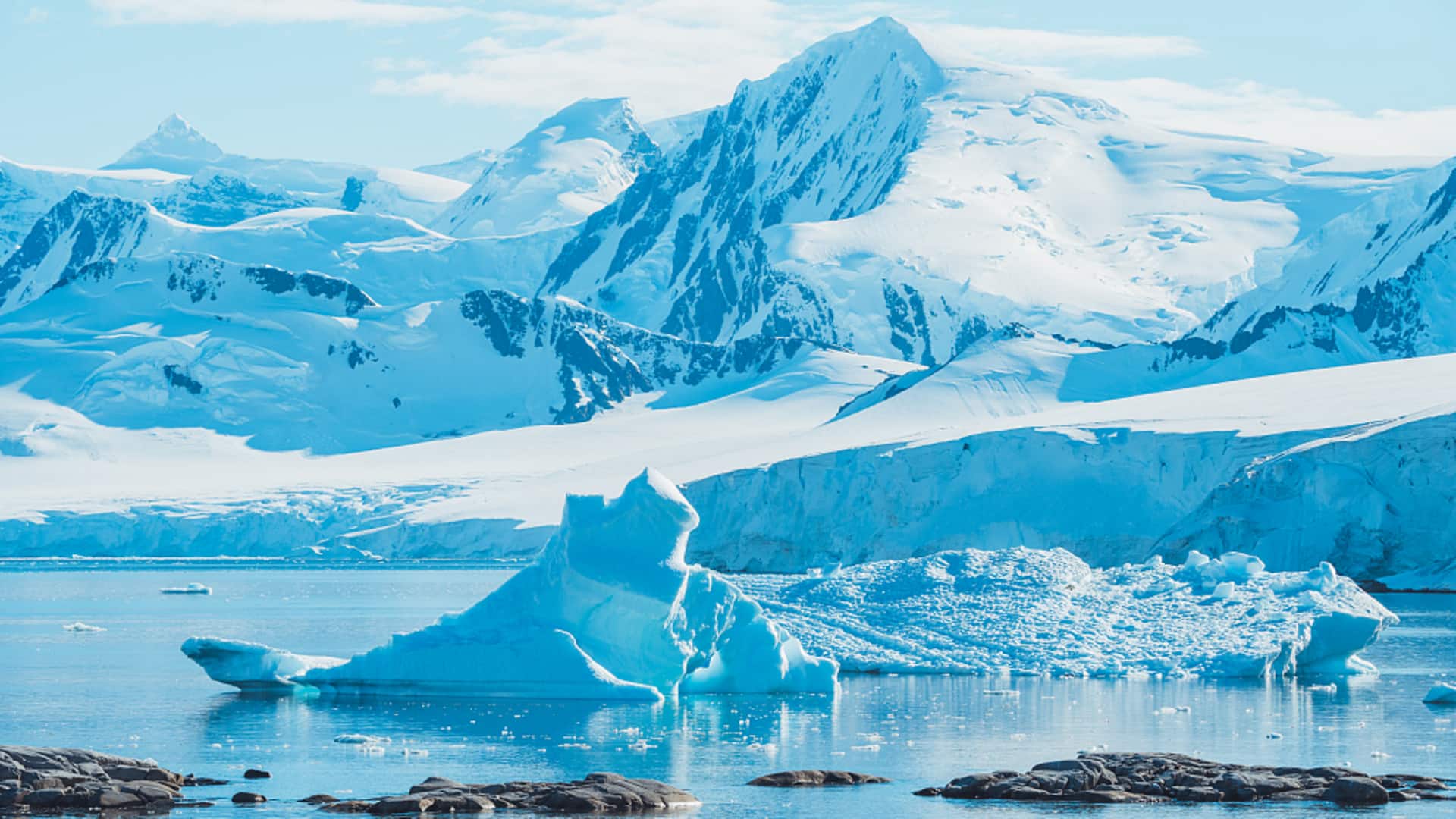
Antarctica's winter sea ice has reached its third-lowest level on record, scientists have confirmed. The peak was recorded on September 14 at 17.59 million square kilometers, nearly a million square kilometers below the average maximum. This is an area roughly twice the size of Spain. The data comes from satellites that have been monitoring the continent's sea ice since 1979.
Record lows
Four most lows recorded in last 4 years
The confirmation of this year's peak means the four lowest years for Antarctica's sea ice have all been recorded in the last four years.
This is concerning, considering that sea ice plays a crucial role in regulating the planet's climate and supporting marine life.
Dr. Walt Meier, a senior scientist at the National Snow and Ice Data Center at the University of Colorado, said they were cautious about declaring this maximum due to "lot of potential variability" at this stage.
Climate impact
Record lows for both winter and summer ice levels
Antarctica's sea ice goes through a massive annual cycle, shrinking in summer and expanding in winter.
However, recent years have seen record lows for both winter and summer sea ice levels.
This has raised fears that global warming could be driving these changes.
Dr. Ariaan Purich, a Southern Ocean expert at Monash University in Melbourne, said the past four winters have recorded the lowest sea ice maximum on record, indicating a significant shift in the system.
Weather patterns
El Nino likely contributed to sea ice loss
Dr. Phil Reid, who monitors Antarctic conditions at Australia's Bureau of Meteorology, said the El Nino climate pattern in the tropical Pacific has likely contributed to this year's sea ice loss.
He explained that El Nino alters storm systems around Antarctica, keeping some in place and churning up the sea ice below.
However, even without an El Nino event, Reid believes we would still be facing similar conditions today due to warmer water temperatures affecting sea ice levels.
Environmental impact
Loss of sea ice threatens marine life
The loss of sea ice doesn't directly raise sea levels as it was already floating. However, it can expose ice shelves to extreme ocean conditions, weakening them.
Ice shelves are crucial in slowing down glaciers and the continent's massive ice sheet, which could contribute to global sea level rise if it reaches the ocean.
The unstable sea ice also poses a threat to species like emperor penguins that rely on this habitat for breeding and raising young ones.