Apple doubles MacBook Neo production as demand soars beyond expectations
What's the story
Apple's budget-friendly laptop, the MacBook Neo, has taken the market by storm. The tech giant has doubled its production rate to keep up with the unprecedented demand for this affordable device. During an earnings call in late April 2026, Apple CEO Tim Cook said that customer response to the MacBook Neo was "off the charts." He admitted that they had underestimated how popular this laptop would be among consumers.
Production boost
MacBook Neo shipment expectations doubled for 2026
Apple analyst Ming-Chi Kuo has revealed that the company has nearly doubled its shipment expectations for 2026.
The original forecast was around five million units, which has now been revised to a whopping 10 million units.
This is a huge leap for a product that many initially thought was just a budget experiment.
Cook also said that the MacBook Neo has helped Apple attract more first-time Mac buyers than ever before.
Market response
MacBook Neo starts at $599
The MacBook Neo starts at $599 in the US and is available to students for as low as $499.
In India, the laptop costs ₹69,900 but can be bought for around ₹57,900 with select offers.
Despite its affordability, Apple has not compromised on essential features.
The device is powered by the A18 Pro chip found in iPhone 16 Pro series models and packs a 13-inch Liquid Retina display with up to 500-nits of brightness.
Design appeal
Colorful design and essential features
The MacBook Neo comes with 8GB of unified memory, 256GB or 512GB of SSD storage, and a battery life of up to 16 hours.
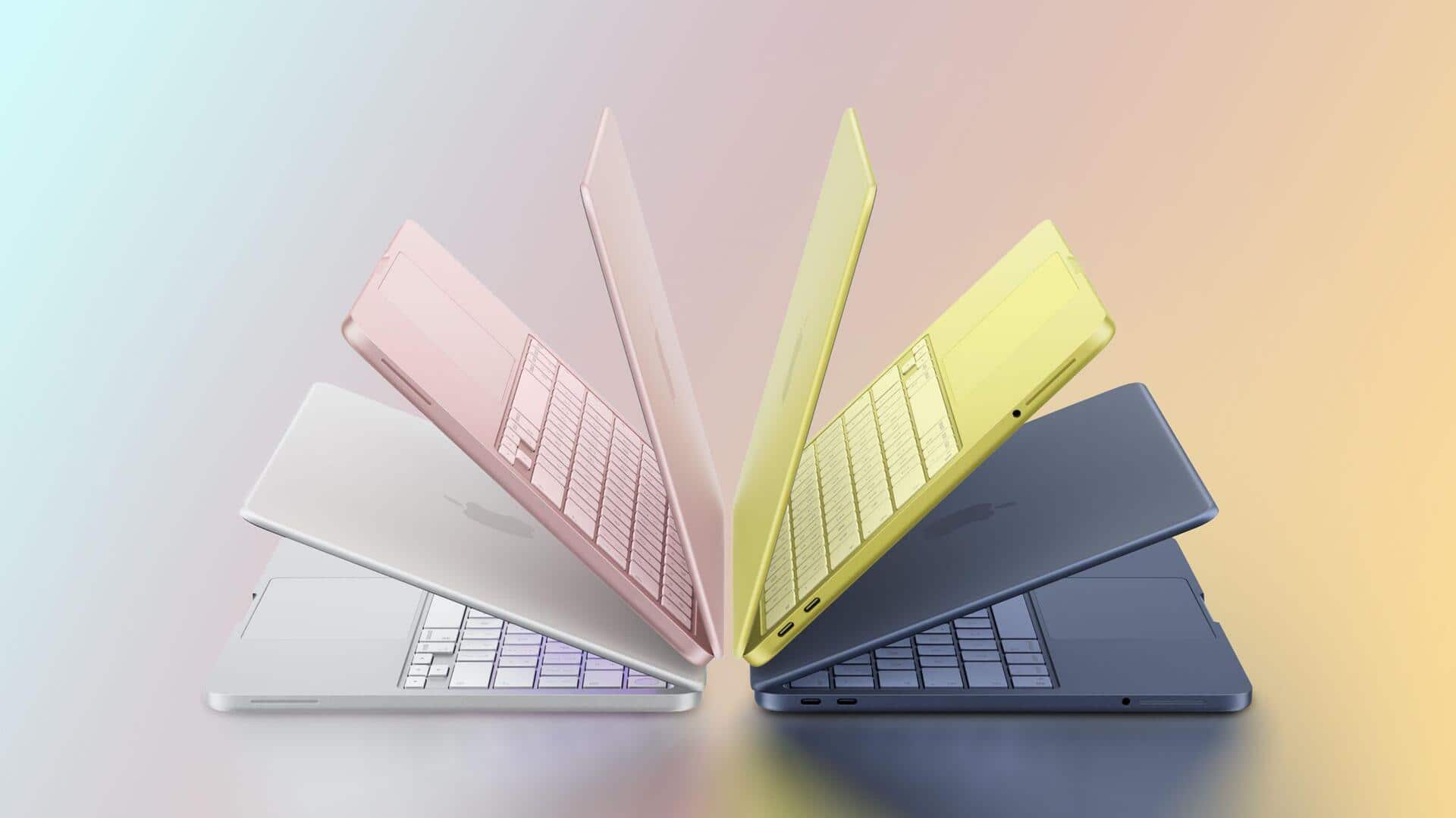
Apple has also given this laptop a youthful design with colorful finishes like Citrus, Blush, Indigo, and Silver.
Each color variant comes with matching keyboards to enhance its aesthetic appeal.
Market trends
PC market dynamics have shifted
Kuo believes the success of the MacBook Neo is a reflection of the current state of the PC market.
He said consumers aren't rushing to buy laptops because of on-device AI features. Instead, they're focusing more on price, design, portability, and ecosystem integration.
Kuo also noted that demand for this laptop doesn't seem to be related to local AI processing capabilities, as most users still rely on cloud-based platforms such as ChatGPT for their AI needs.