Astronomers detect faint gravitational wave hum from black hole mergers
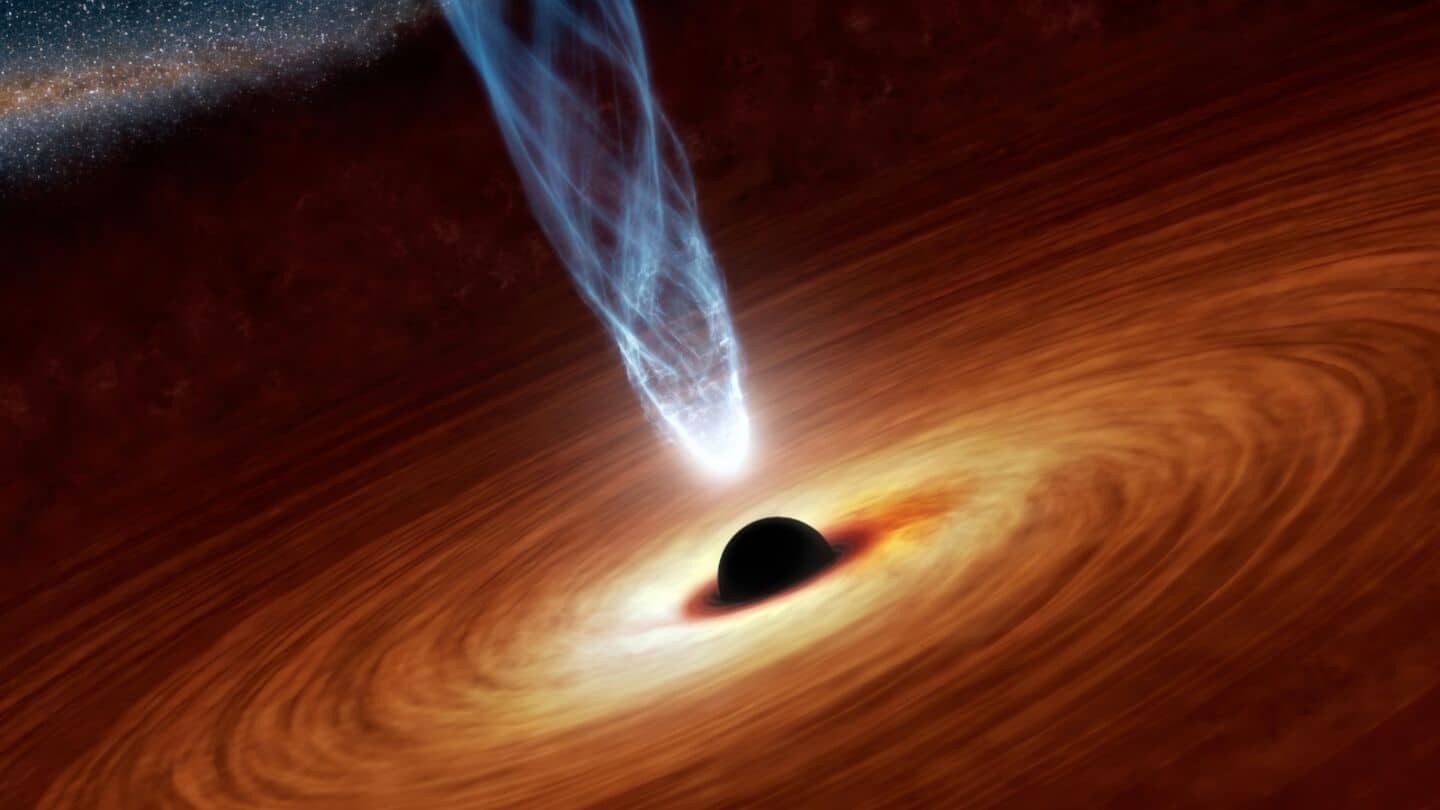
Astronomers have detected a faint background "hum" of gravitational waves, which could help explain how the Universe's first supermassive black holes formed.
Using pulsar timing arrays, they traced this signal to ultra-low-frequency waves, mostly from merging black holes in colliding galaxies, but possibly linked to even older cosmic events.
Study suggests dark stars as source
A new study suggests that mysterious Dark Stars, giant early stars powered partly by dark matter, could be the source of this hum.
These stars may have collapsed into black-hole seeds and merged over time, leaving behind remnants of supermassive Dark Stars that contribute significantly to the gravitational wave background.
Researchers hope improved pulsar timing will reveal whether these ancient objects shaped our universe's earliest massive black holes.