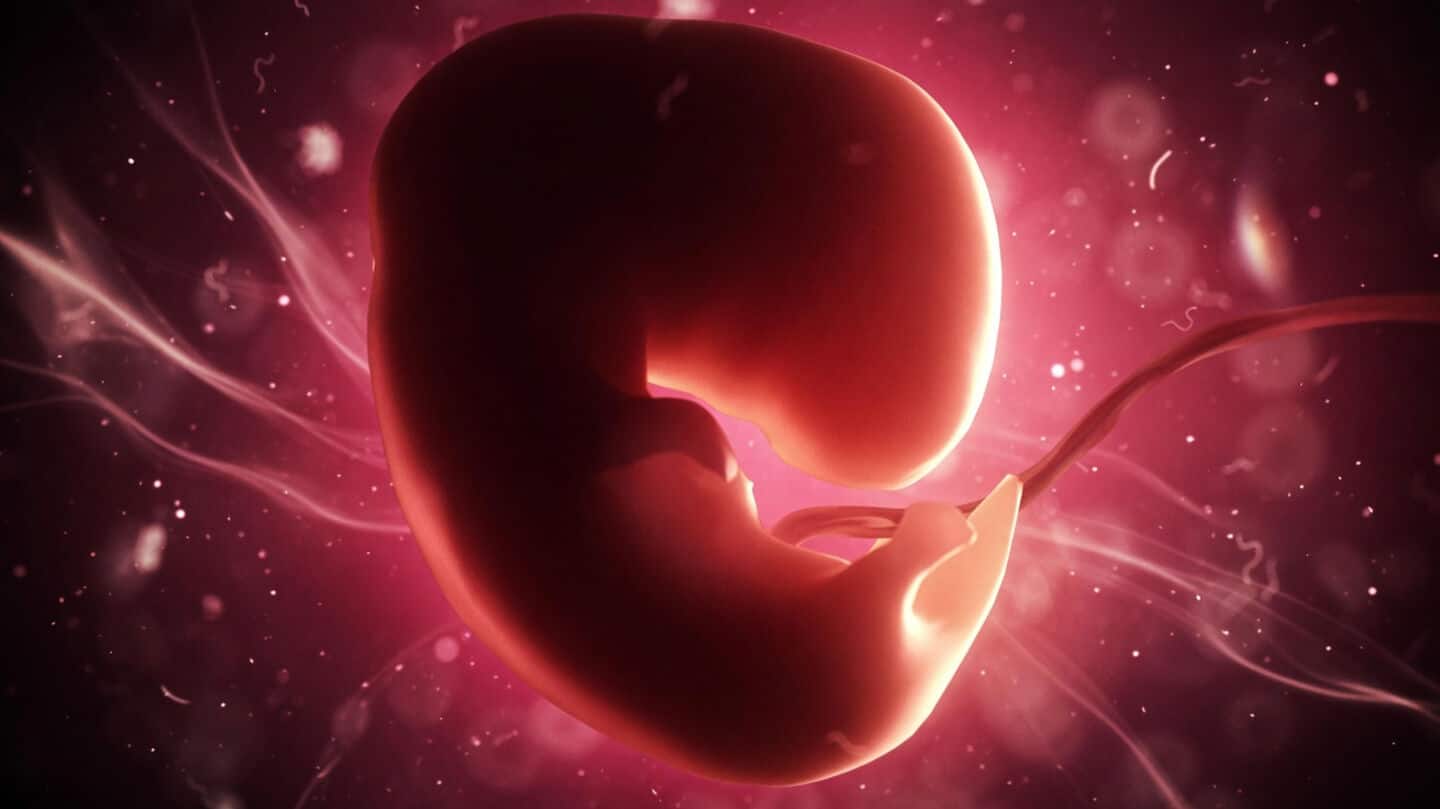
Chinese researchers create 'disc-Gastruloids' to study early organ development
For the first time, researchers in China have created a human embryo model, called "disc-Gastruloids," that can develop early organ-like structures.
Published June 27 in Cell, this breakthrough lets scientists study a key stage of early development that's usually off-limits and could one day help with growing organs for transplants.
Disc-Gastruloids yield over 80% organ precursors
The new model has a more than 80% success rate at forming organ precursors like neural tubes, gut, lung progenitors, liver and pancreas progenitors, and even a tiny beating heart chamber.
Since strict rules limit how long real embryos can be grown in labs, corresponding author Yu Leqian says this opens up big possibilities for research on tissue repair and regenerative medicine.
Lab-grown organs aren't here yet. This is a major step forward.