Hawaii's telescope images reveal tiny solar vortices, may power flares
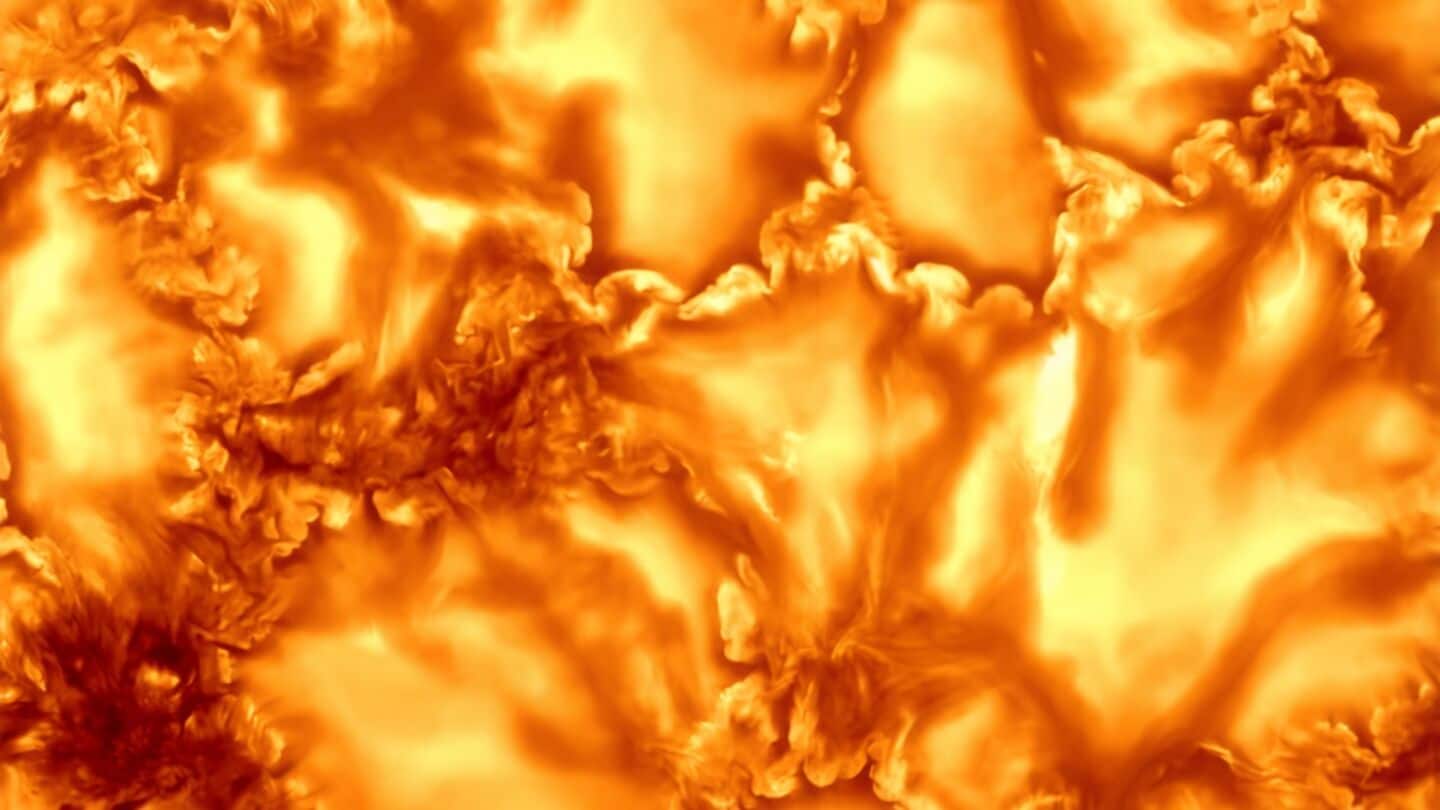
For the first time, researchers have caught tiny vortices spinning on the Sun's surface, thanks to some sharp images from Hawaii's Daniel K. Inouye Solar Telescope.
These swirls pop up at the edges of magnetic zones and might help explain how solar flares get their power from stored energy in magnetic fields.
The vortices themselves are pretty small, between 25 and 170km wide, and move fast, reaching speeds up to three kilometers per second.
Researchers to track suspected Kelvin-Helmholtz vortices
Scientists think these swirling spots are caused by plasma flowing at different speeds along magnetic boundaries, twisting up the field lines and storing energy, a process called Kelvin-Helmholtz instability.
They're now planning to track these mini whirlwinds into the Sun's atmosphere to see how they transfer energy upwards.
If all goes well, this could eventually help us better understand solar magnetic behavior.