IIA Bengaluru builds 3-D model to forecast solar storm speeds
Technology
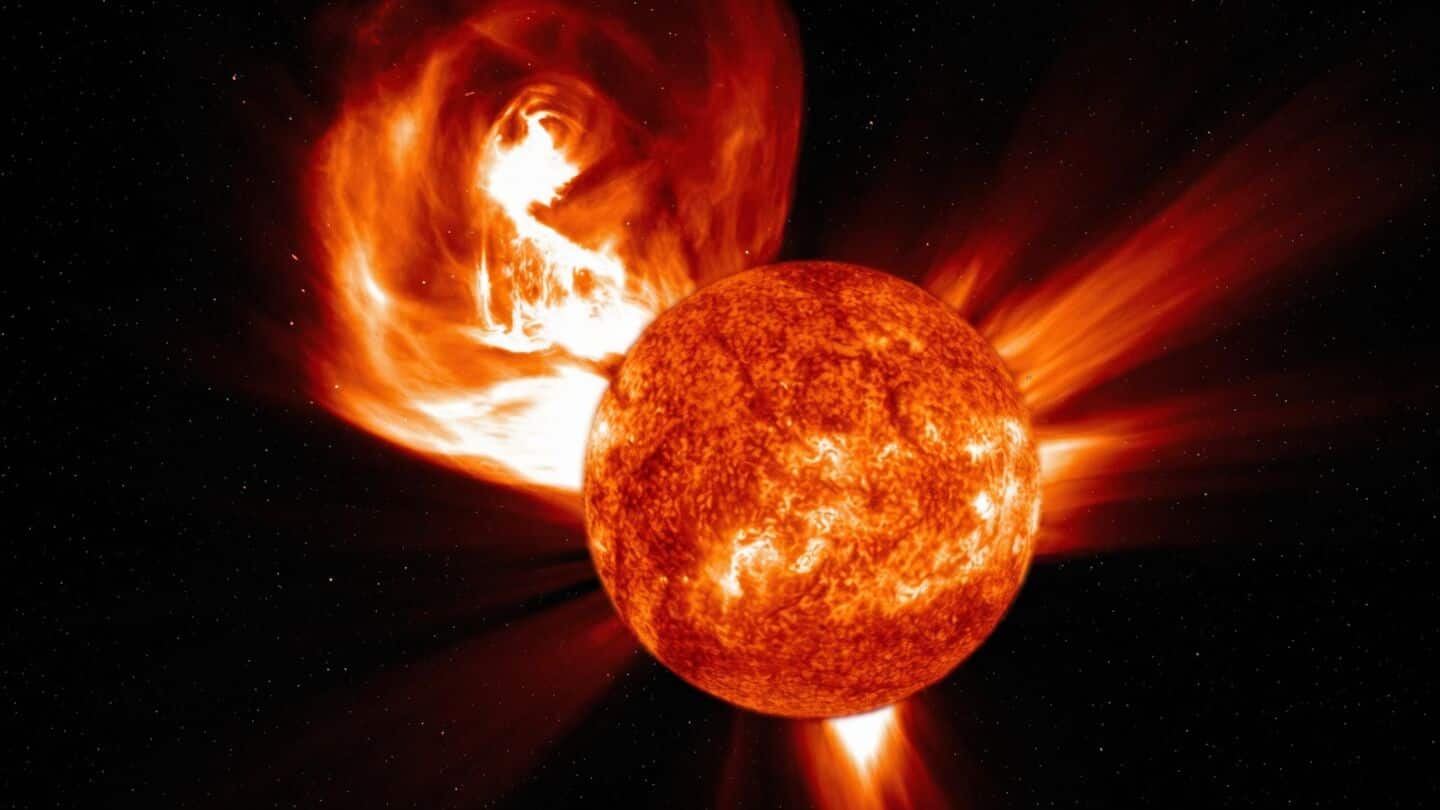
Scientists at Bengaluru's Indian Institute of Astrophysics have built a new 3-D computer model to help forecast how fast solar storms head toward Earth.
This could mean earlier warnings for things we rely on, like satellites, mobile networks, and even power grids, when big solar eruptions (called coronal mass ejections, or CMEs) are on the way.
Magnetic reconnection drives faster, stronger CMEs
Working with teams from the US and Finland, the researchers found that CMEs happen when twisted magnetic fields in the sun's atmosphere snap and release energy, a process called magnetic reconnection.
The faster this happens, the more powerful and speedy these solar storms get.
Their findings, backed by NASA data, could help scientists better predict when these space weather events might hit us.