How proposed IT rules could affect news coverage in India
What's the story
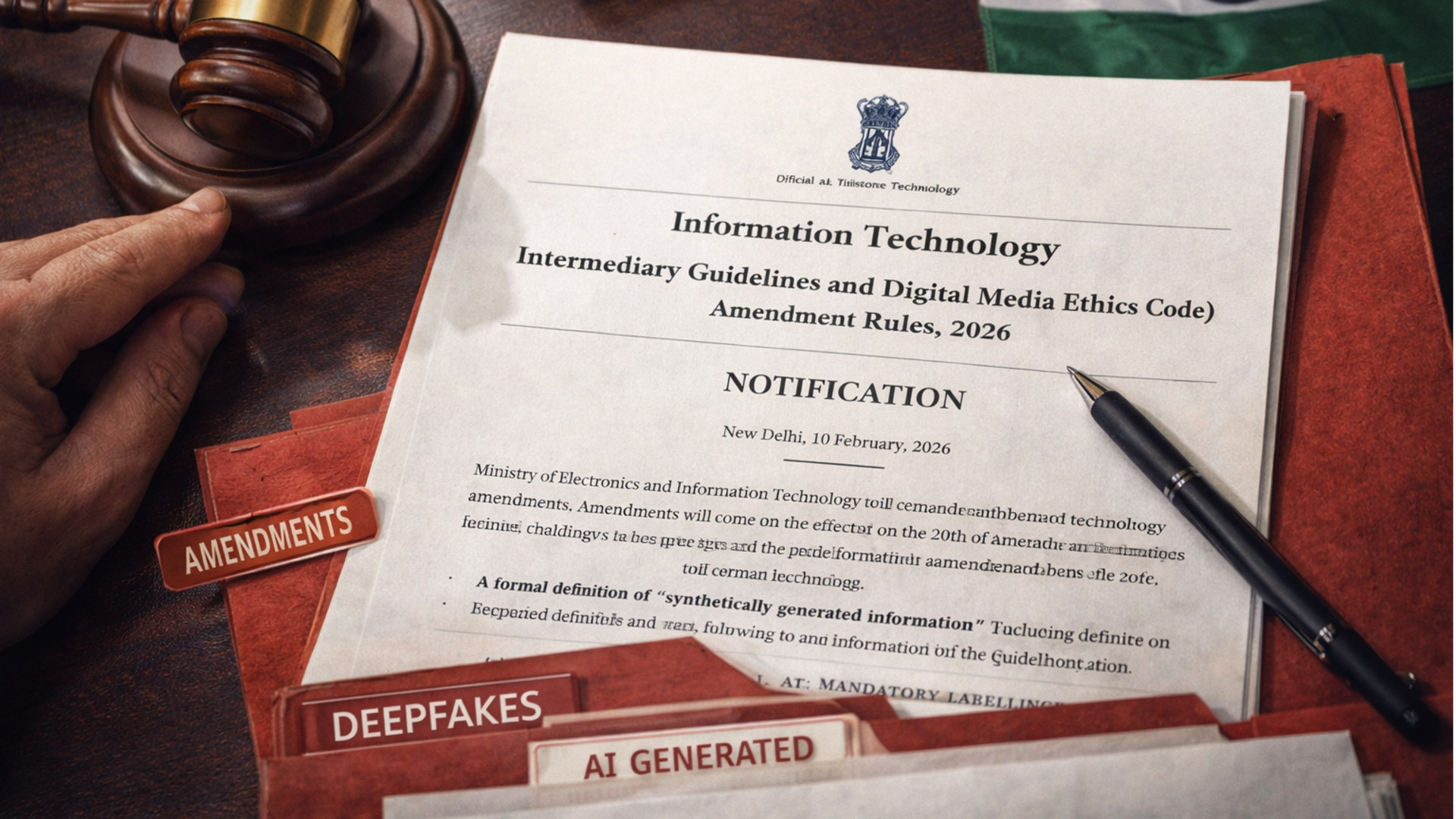
The Indian government has proposed major amendments to the Information Technology (IT) rules. They would bring user-generated news and current affairs content under the purview of the Ministry of Information and Broadcasting (MIB). The changes would cover all "news and current affairs content hosted by non-publisher users," including influencers who post news-related material.
Rule expansion
Expanded oversight and its implications
The proposed amendments would expand the scope of oversight rules to include user-generated news content.
This means that a viral explainer video, political thread, or news-style post by an influencer could be subjected to the same scrutiny as digital news reports.
The changes have sparked concerns among civil society groups like the Internet Freedom Foundation (IFF), which fear they could infringe on freedom of expression and press.
Potential consequences
Blocking orders and recommendations
The proposed amendments also mean that influencers could be issued blocking orders under Section 69A of the IT Act.
This would allow complaints against such content to be escalated to the Inter-Departmental Committee (IDC), which could recommend action.
While these recommendations are usually directed at intermediaries, the rules also mention giving "the entity which has created/hosted the content" a hearing, raising concerns it could extend to content creators as well.
Justification
Government's defense and support for the move
The government has defended the proposed changes as a way to streamline the allocation of business between MeitY and MIB.
Former Prasar Bharati CEO Shashi Shekhar Vempati also backed the move, saying it seeks to address a regulatory gap in user-generated news content on platforms like YouTube and X.
However, civil society groups such as IFF have criticized these amendments for expanding government oversight over online speech without addressing legal challenges to existing frameworks.
Advisory compliance
Compliance with government advisories mandatory
The draft also makes compliance with government advisories mandatory, a move that has raised concerns among policy experts.
They argue that this could give the executive powers beyond what is currently permitted by law.
The IFF has warned that this might dilute safeguards set by the Supreme Court in Shreya Singhal v/s Union of India (2015), which requires content takedowns based on court orders or government notifications, not informal directions.