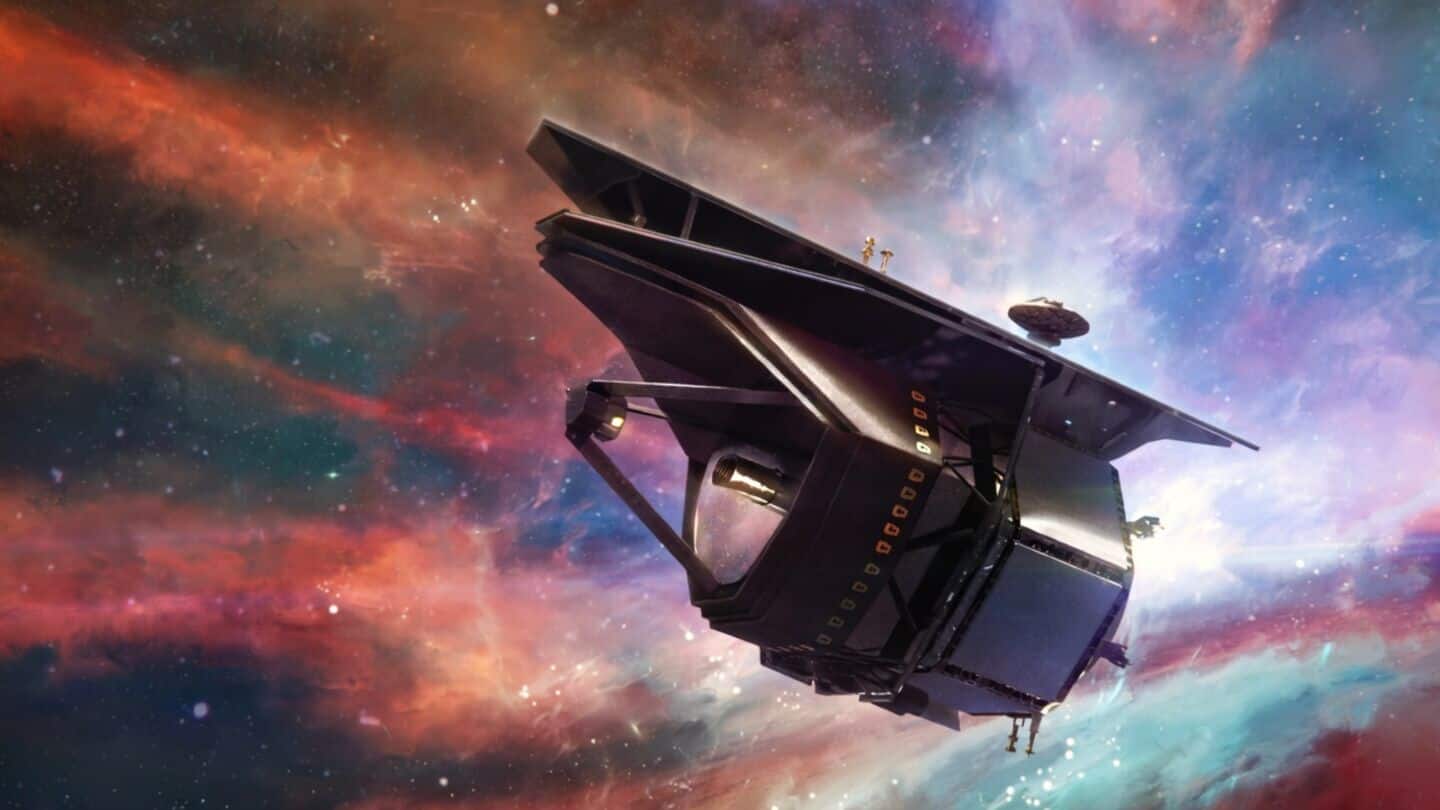
NASA advances PRIMA probe explorer to study far infrared cosmos
NASA just moved its PRIMA mission to the next phase, bringing us closer to exploring the universe in far-infrared light, a wavelength we haven't really seen before.
As the first of NASA's "Probe Explorers," PRIMA hopes to unlock new secrets about how planets, stars, and black holes form.
Nicky Fox, associate administrator for NASA's Science Mission Directorate, called it "humanity's next window into the deep universe," which honestly sounds pretty exciting.
PRIMA complements JWST, 2033 launch planned
PRIMA will work alongside the James Webb Space Telescope but focus on far-infrared wavelengths that JWST can't see.
With a 5.9-foot telescope and a $1.2 billion budget, it's set for launch in 2033 and will run for at least 5 years.
As the director of NASA's Astrophysics Division, Shawn Domagal-Goldman said, "A single mission alone can't probe all the universe's mysteries. But by extending the survey capabilities of our fleet into far-infrared wavelengths with PRIMA, we're enabling an incredibly comprehensive look at the cosmos," so expect some big cosmic discoveries ahead!