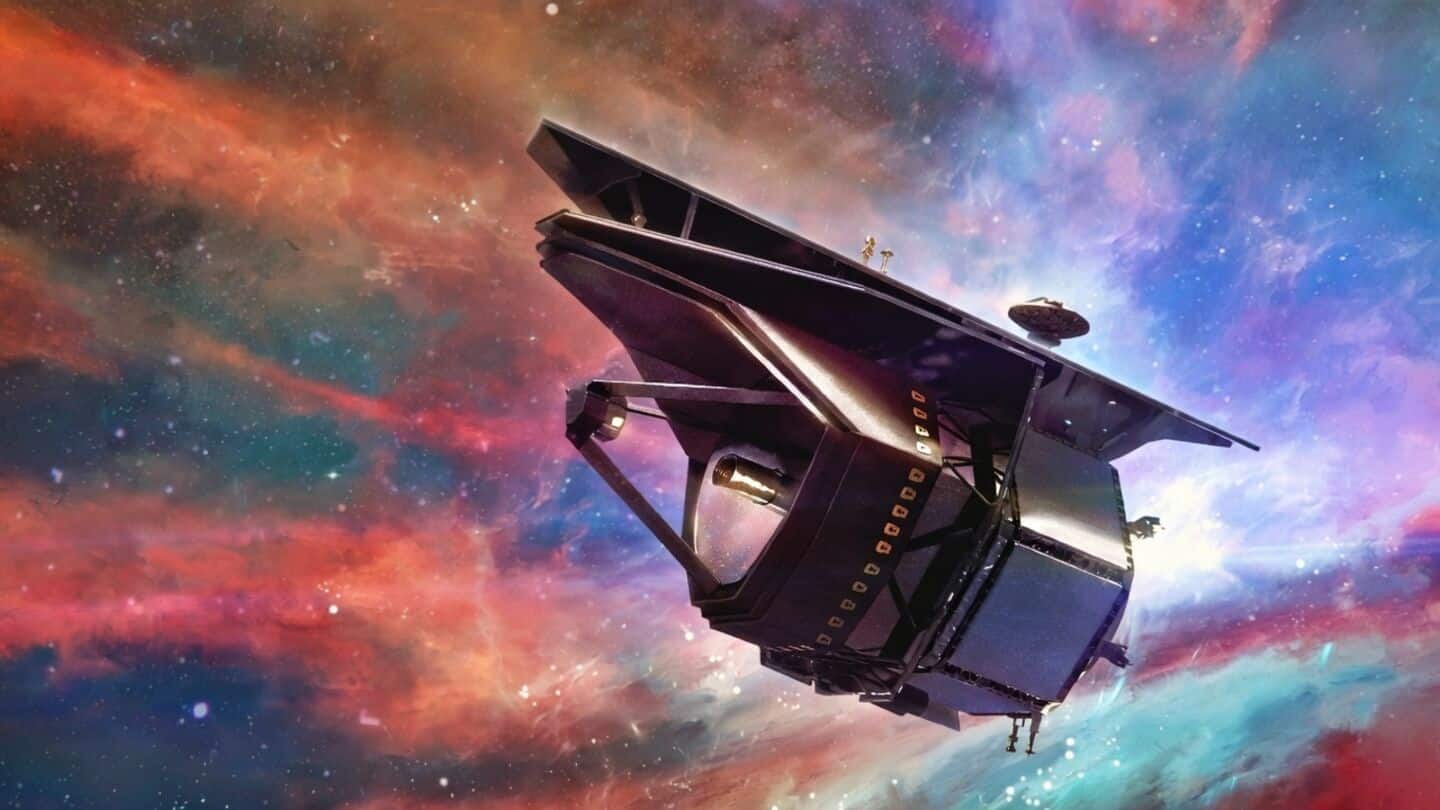
NASA advances Prima to Phase B with conditional $1.2B cap
NASA said Prima advanced to Phase B, moving the mission into preliminary design and technology development, a conditional project cost cap of $1.2 billion, excluding launch and other non-project expenses, if confirmed.
Prima will use far-infrared technology to spot things current telescopes miss, like the cold clouds where new worlds are born.
It's set to launch after the Nancy Grace Roman Space Telescope, helping bridge gaps in what we can see out there.
Prima mission to launch in 2033
Launching in 2033 for a five-year journey, Prima aims to zoom in on planet-forming zones and mysterious black holes at galaxy centers.
The project is led by NASA's Jet Propulsion Laboratory with support from France and Germany, showing that cosmic curiosity really is a team effort.
Chosen based on top science priorities, Prima hopes to answer some big questions about how our universe came together, all without breaking the bank.